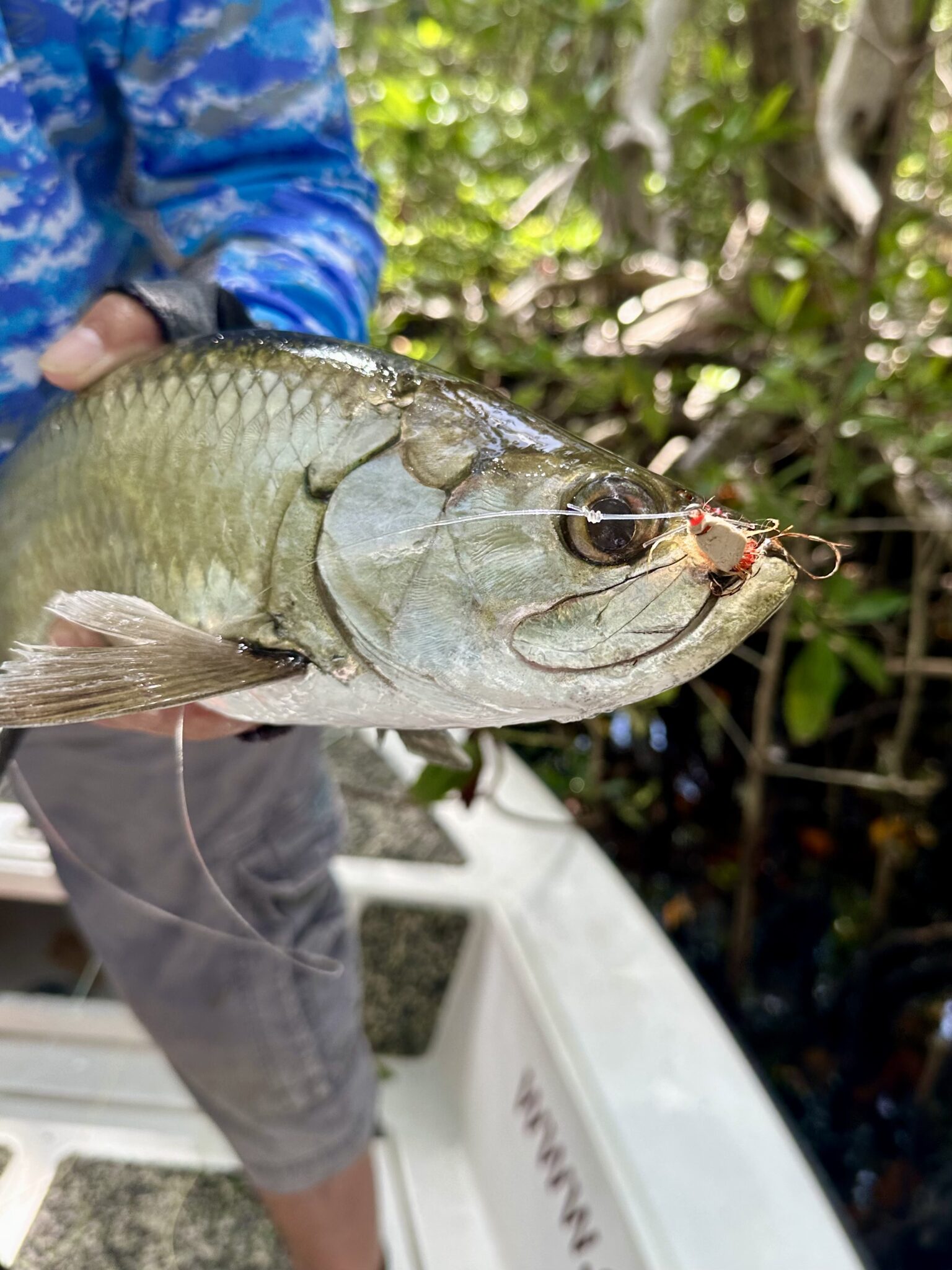
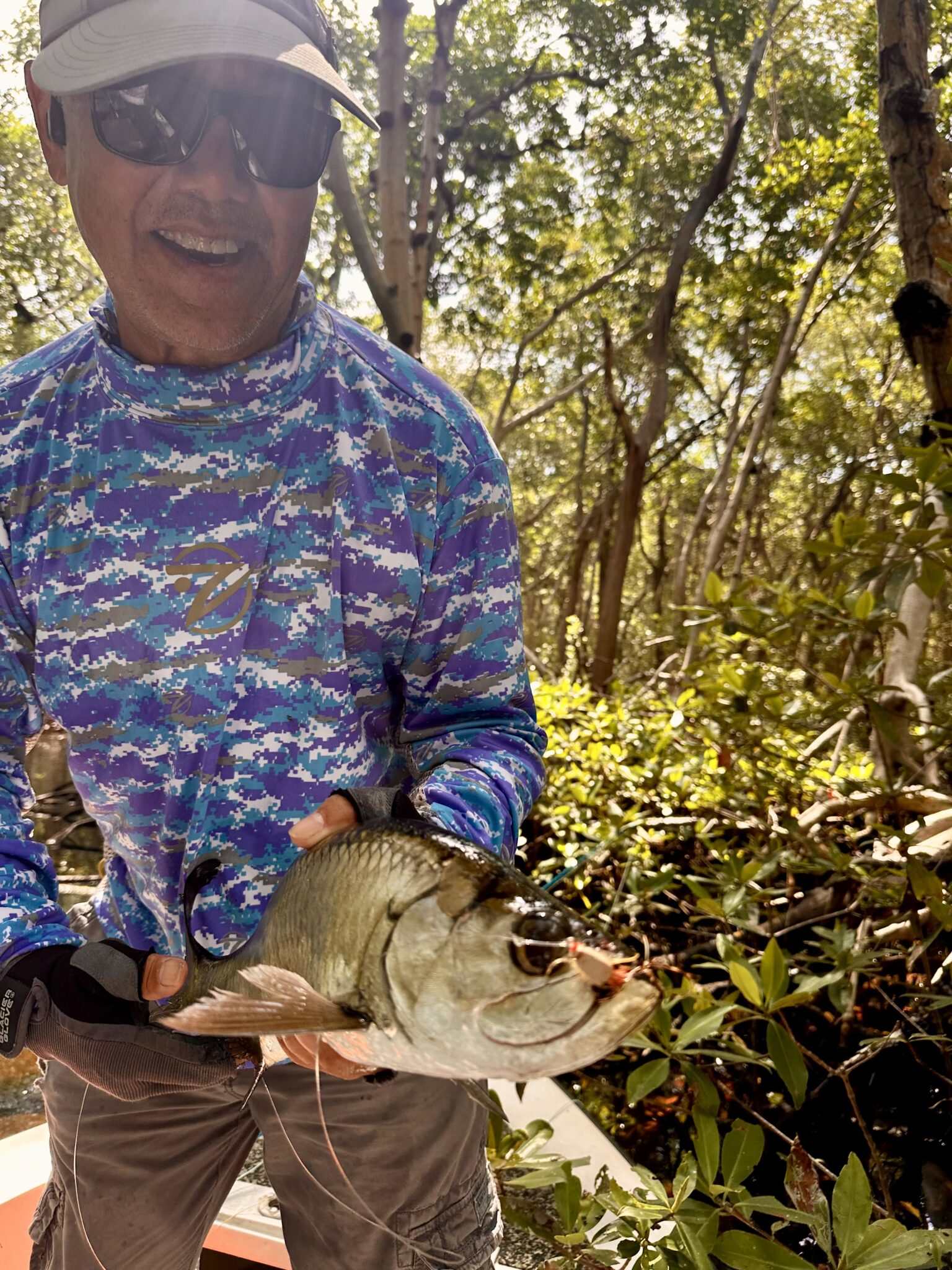
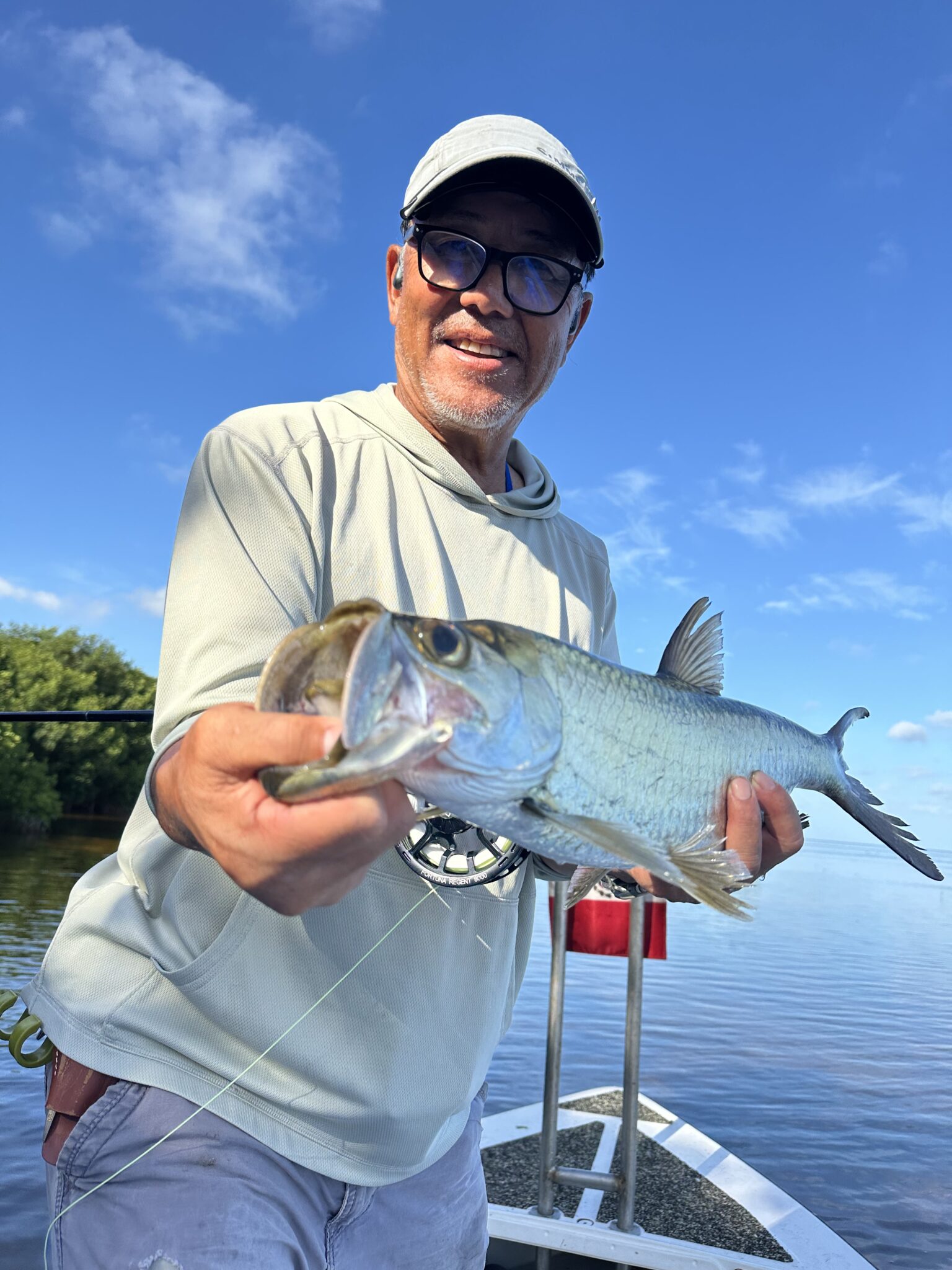
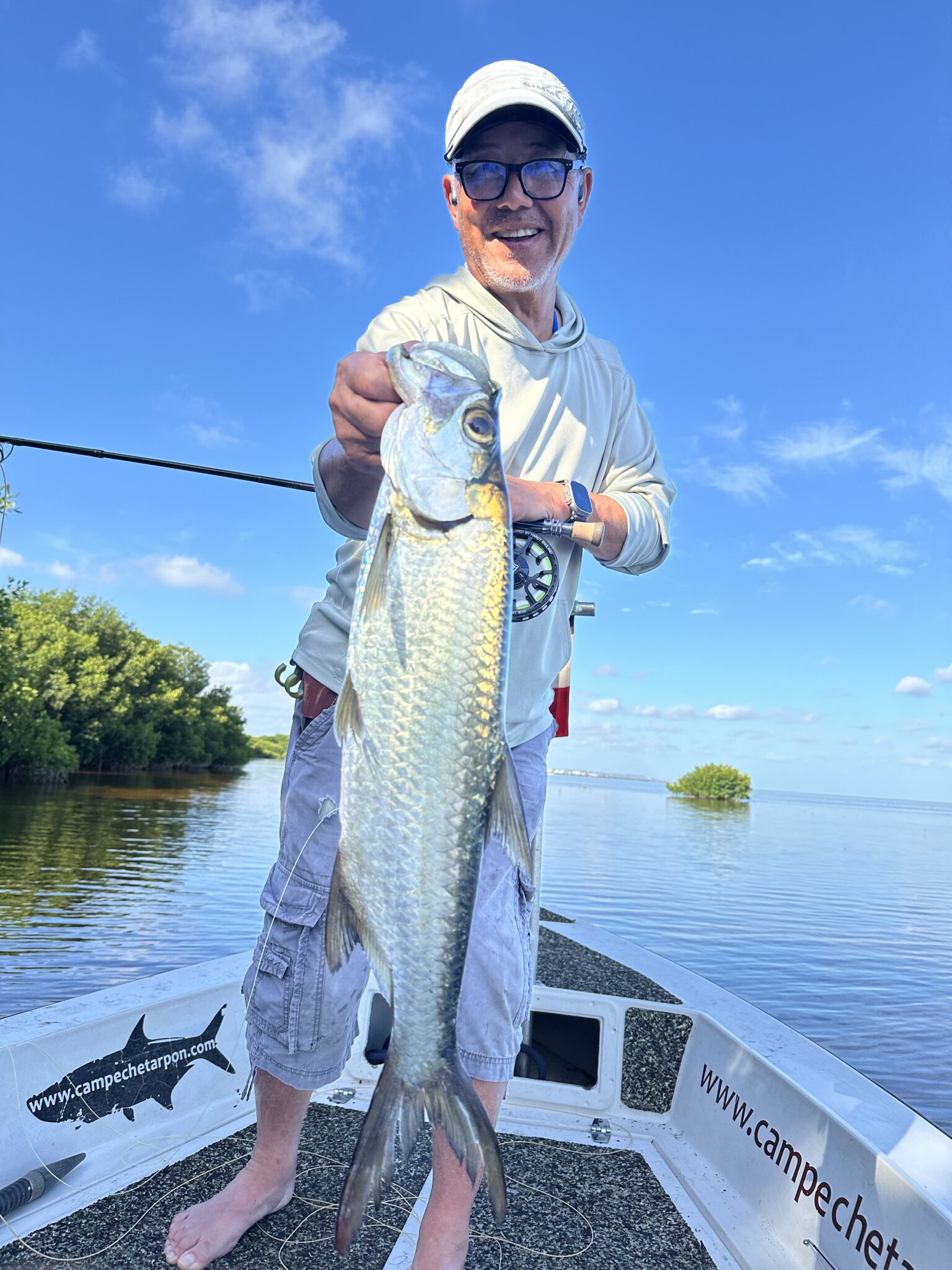
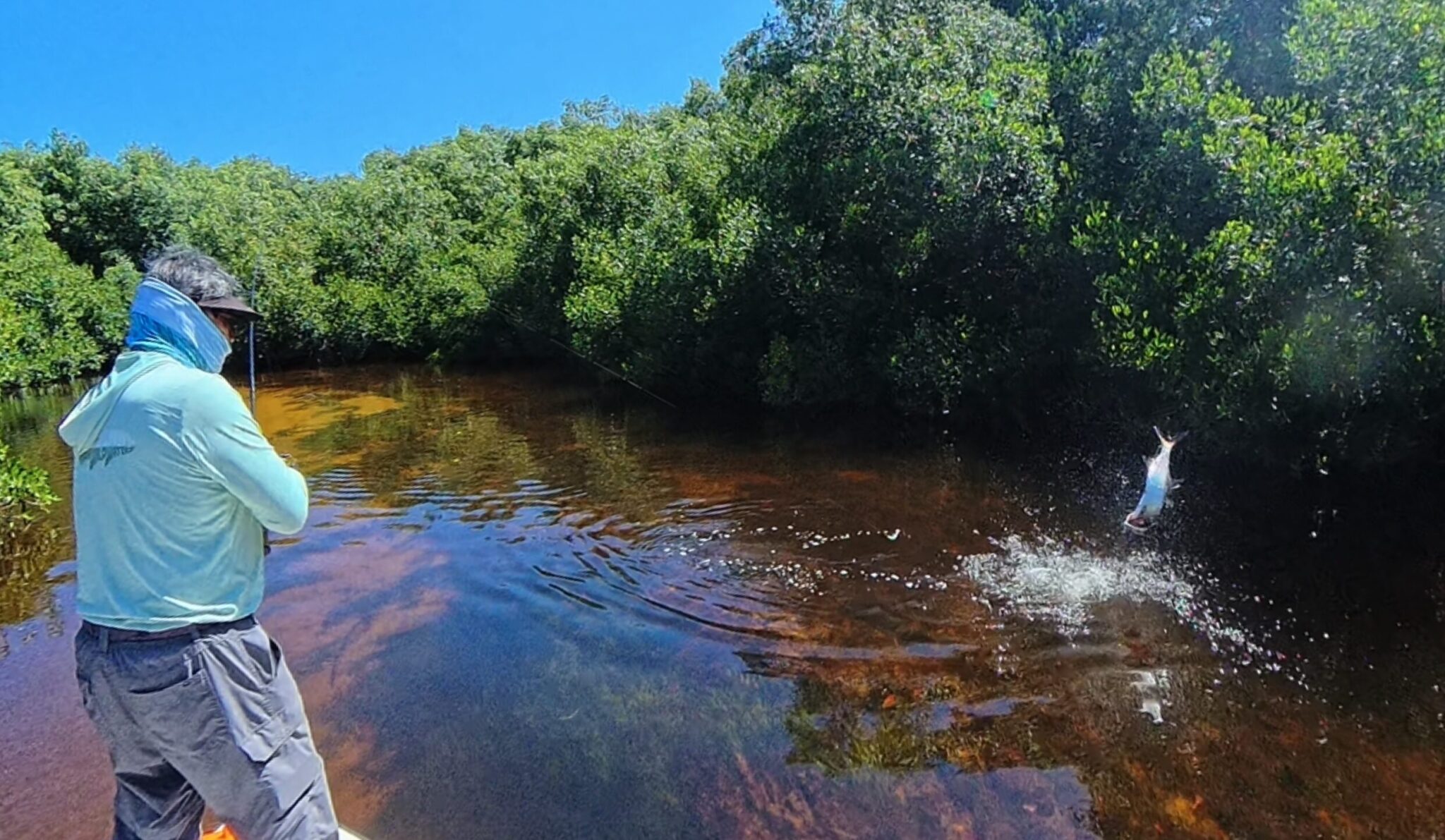
Campeche’s Juvenile Delinquent Tarpon

May 15-22. 2026

May was an exceptionally busy month of fishing for me. I don’t think I’ve ever had a stretch where I went from one fishing destination to the next, and then straight to another, without even a single day off in between. In fact, this trip to Campeche was only the first leg of three fishing adventures this month. If catching tarpon, trout, and stripers counted as a grand slam, I probably hit thirty of them this month.

But this trip to Campeche was different. It wasn’t just about the fishing—it was about family and old friends. There was no way I was going to miss it. When I was younger, I always thought having a great fishing trip was all about the quality of the fishing. By that standard, I have to admit the fishing in Campeche was poor at best. But fishing has a way of humbling even the most experienced anglers. It can be a temperamental bitch. Sometimes everything lines up—the season, the tides, the moon phase, the weather, the guides, and the anglers—and the fish still refuse to cooperate. Even during prime time, with some of the best fishermen on the water, there are days when the fish simply don’t read the brochure.

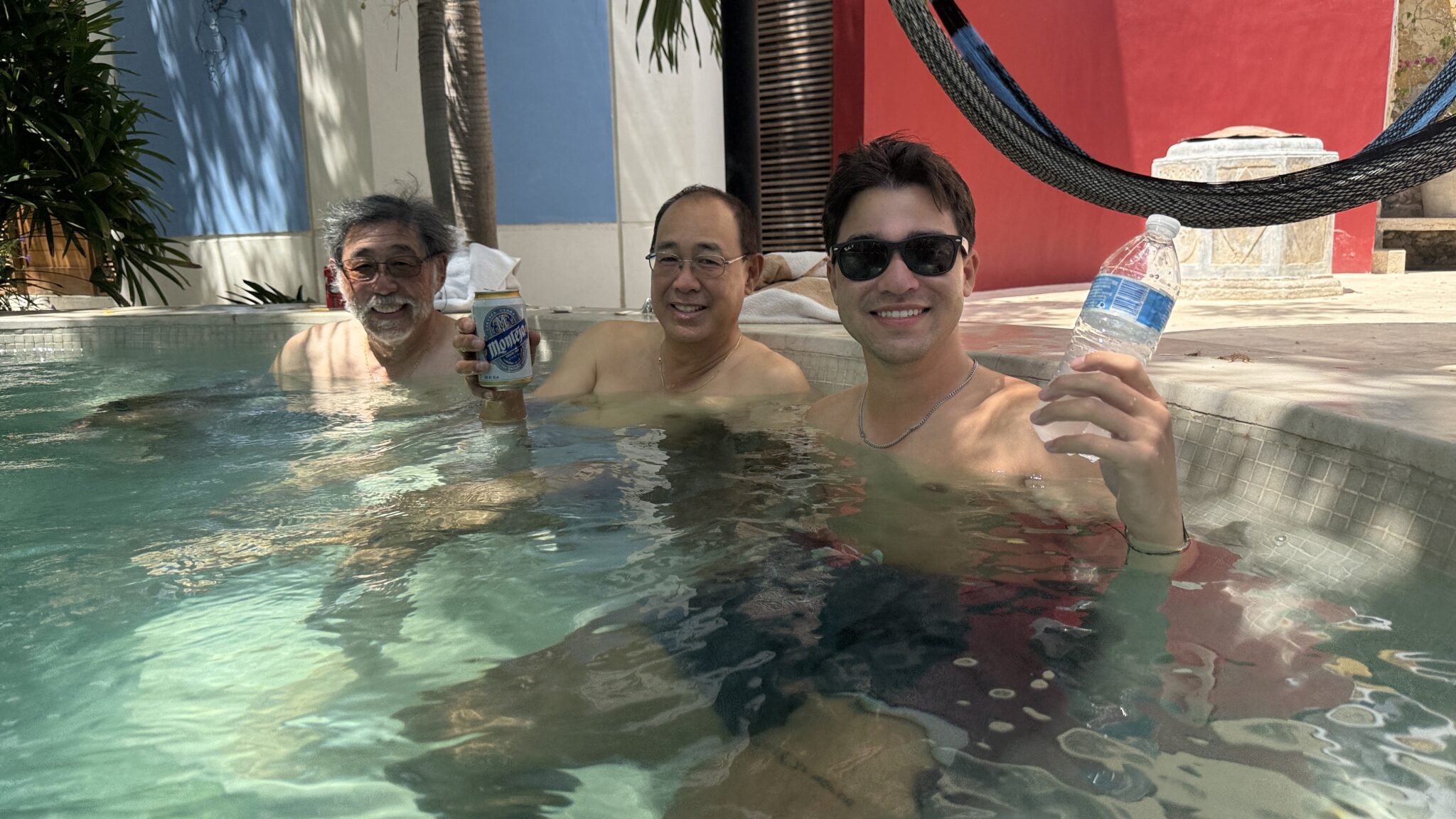
Age has a way of changing your perspective. These days, I realize the fish are only part of the story. One thing I’ve come to appreciate is that opportunities like these become more precious with time. Some of the friends I’ve shared decades of adventures with can no longer make these trips. Every chance to spend time together, tell stories, laugh, and make a few more memories is a gift.   I especially enjoyed fishing with my nephew Matthew, who is heading off to Midwestern University College of Dental Medicine in Chicago this fall. It was fun spending time with him before he begins that next chapter of his life. I also hadn’t shared a trip with Wayne in a very long time, and we had plenty of catching up to do.  Sometimes the best part of a fishing trip isn’t the fish at all—it’s the people you’re fortunate enough to share it with.

The Yucatán Peninsula is one of the world’s great baby tarpon fisheries. Endless mangrove systems, hidden lagoons, nervous baitfish, crocodiles that look mildly interested in your life choices… it has everything. Last year I fished Rio Lagartos with Lee Haskins and had one of those magical trips where every rolling fish looked catchable. So heading into Campeche, where many people claimed the fishing rivaled Tarpon Cay Lodge, expectations were high. Maybe a little too high.

In fairness, Campeche and Rio Lagartos are very similar fisheries, but there are some important differences. One of the biggest differences was that I caught considerably fewer tarpon than I had already mentally celebrated landing before the trip even started. Rio Lagartos offers two fishing sessions per day rather than one long session. That may not sound like much, but it effectively doubles your opportunities to fish during low-light periods, which are often the most productive times for tarpon.

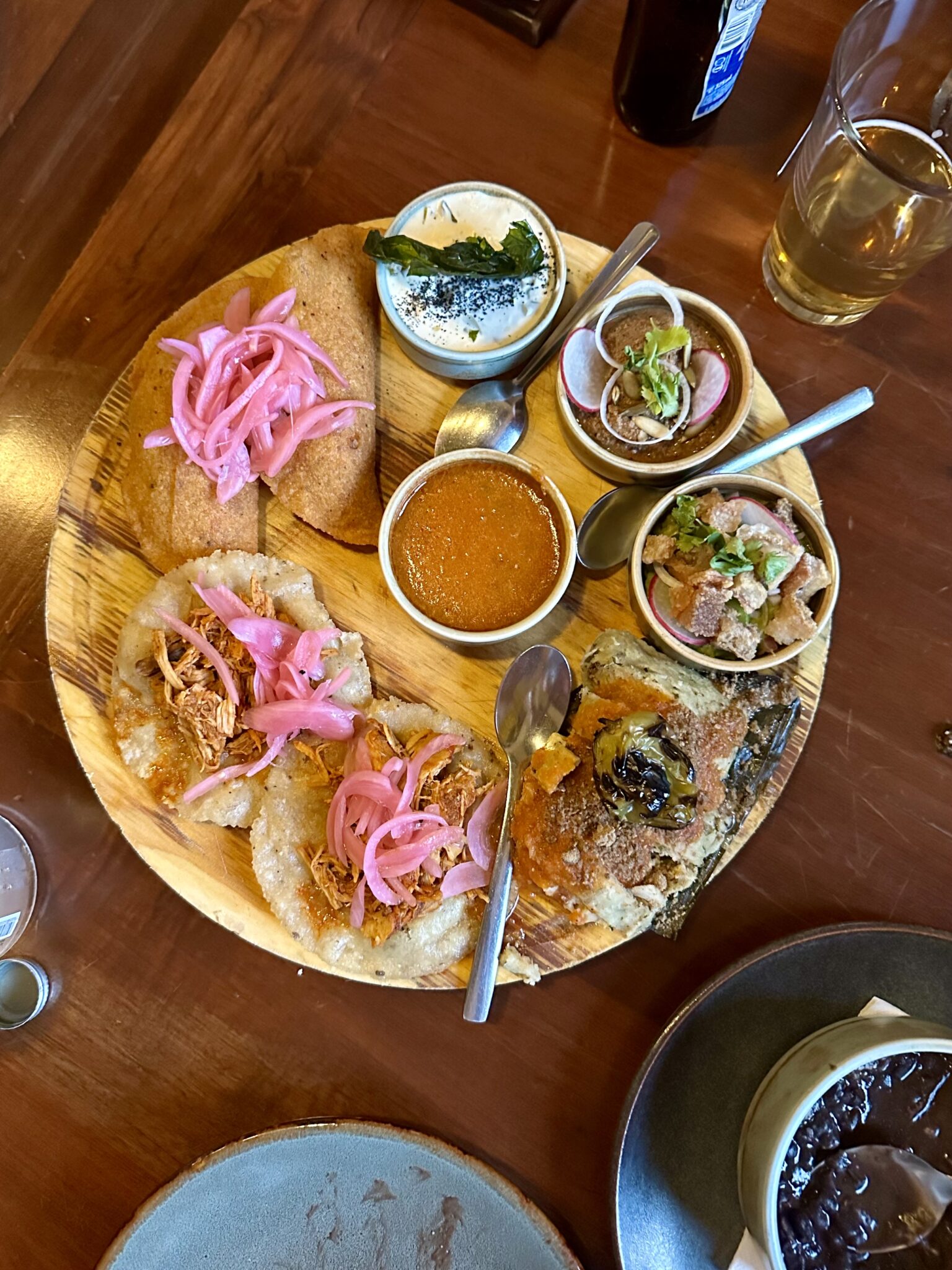
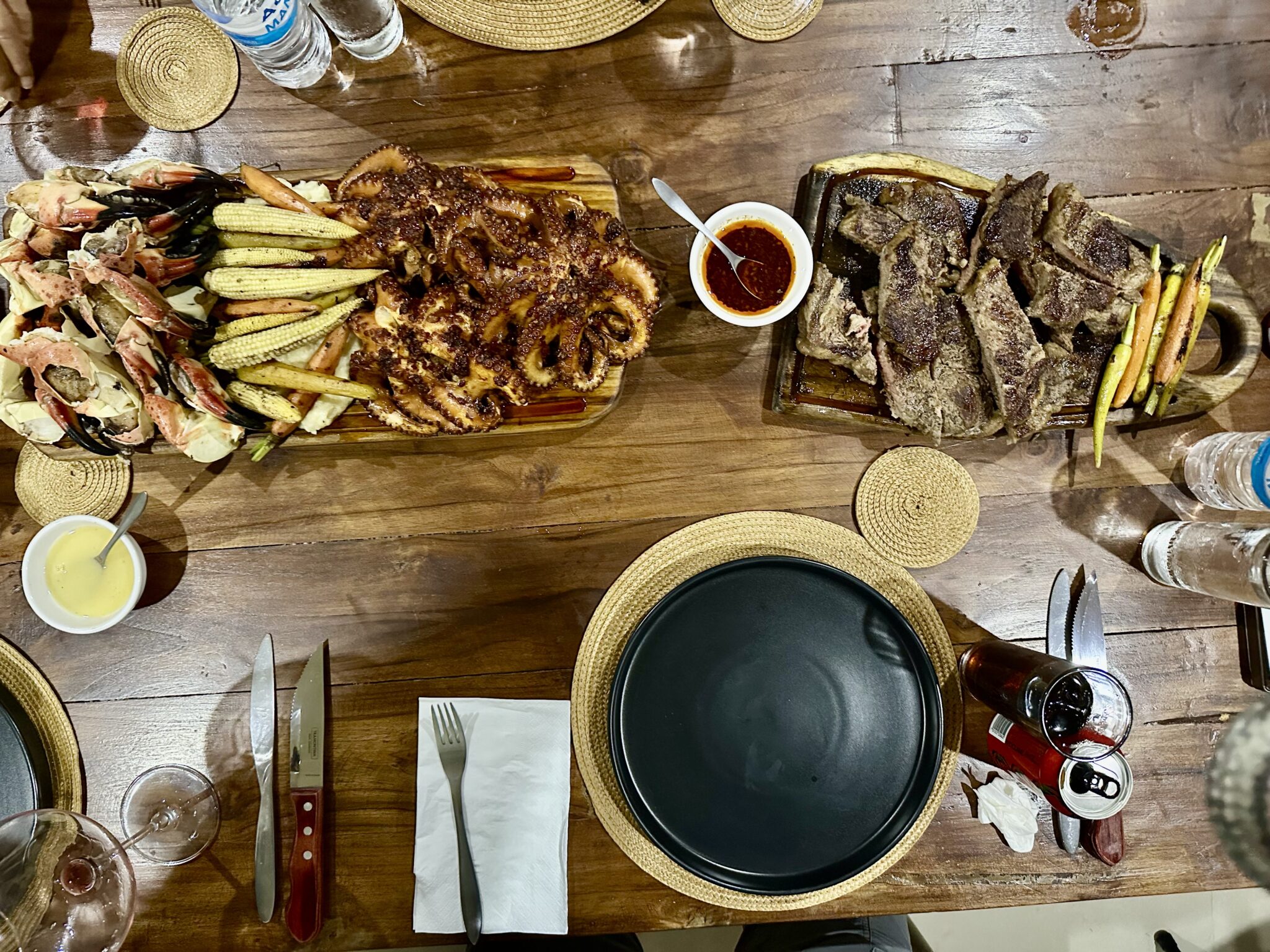
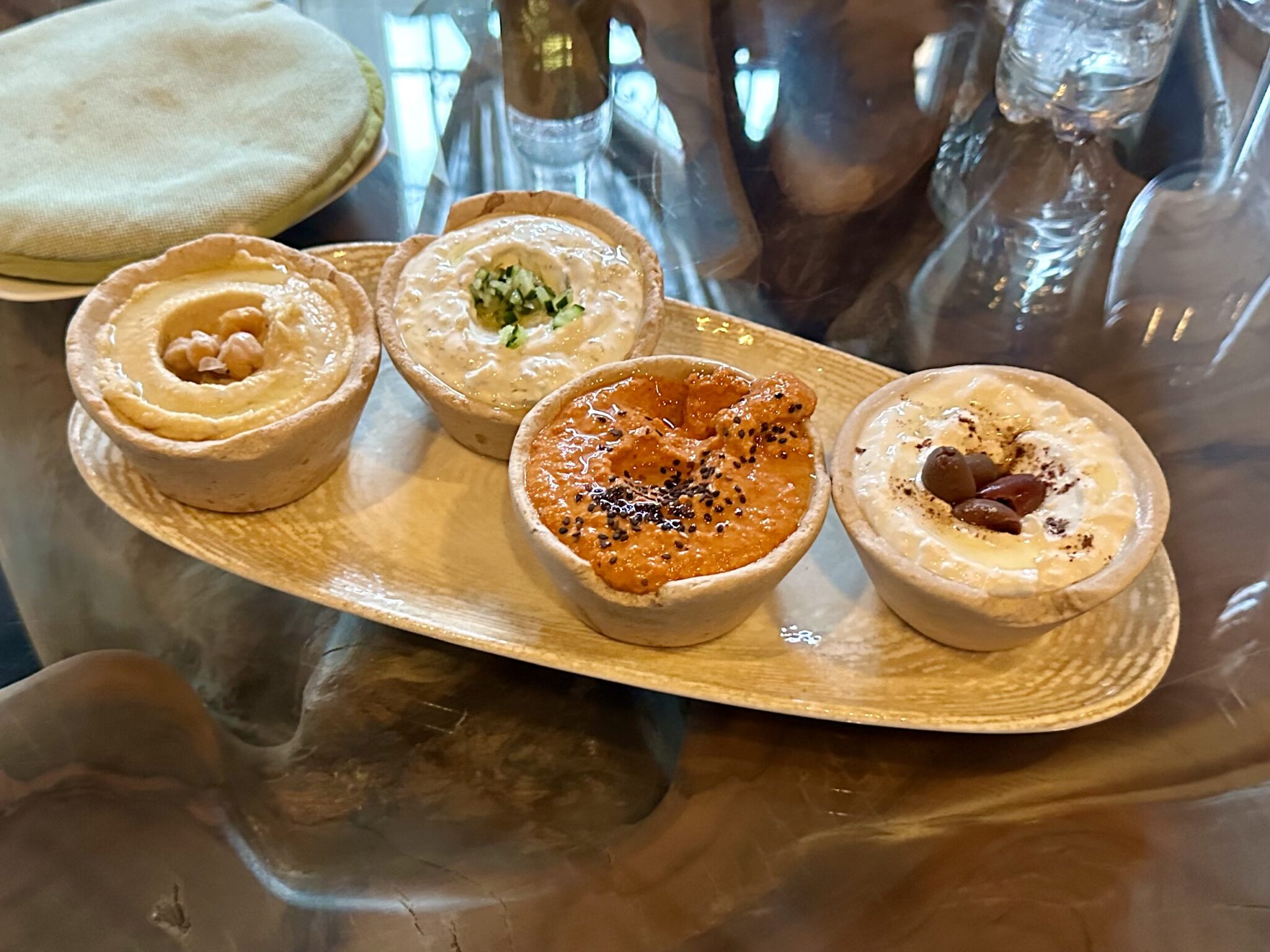
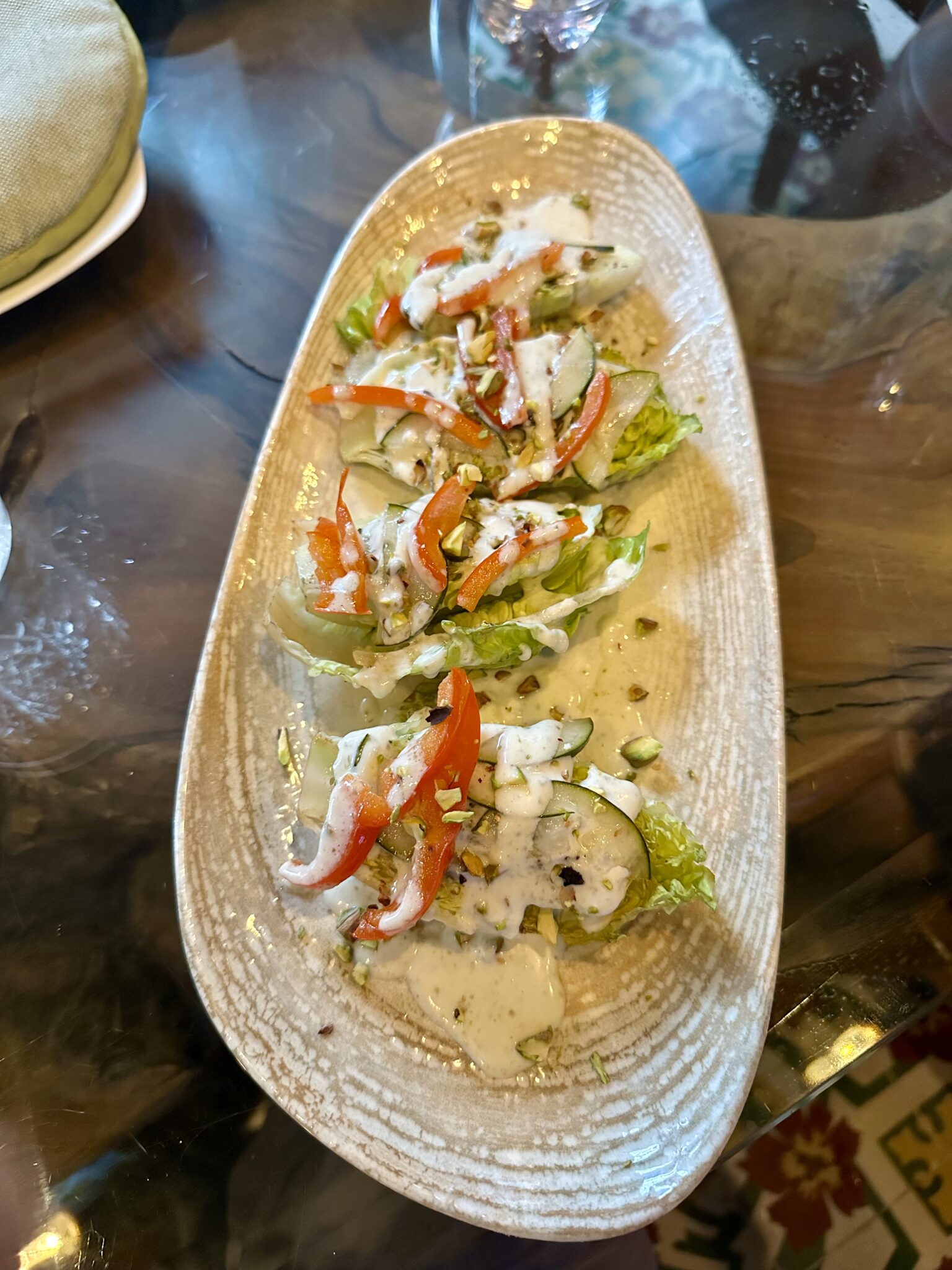
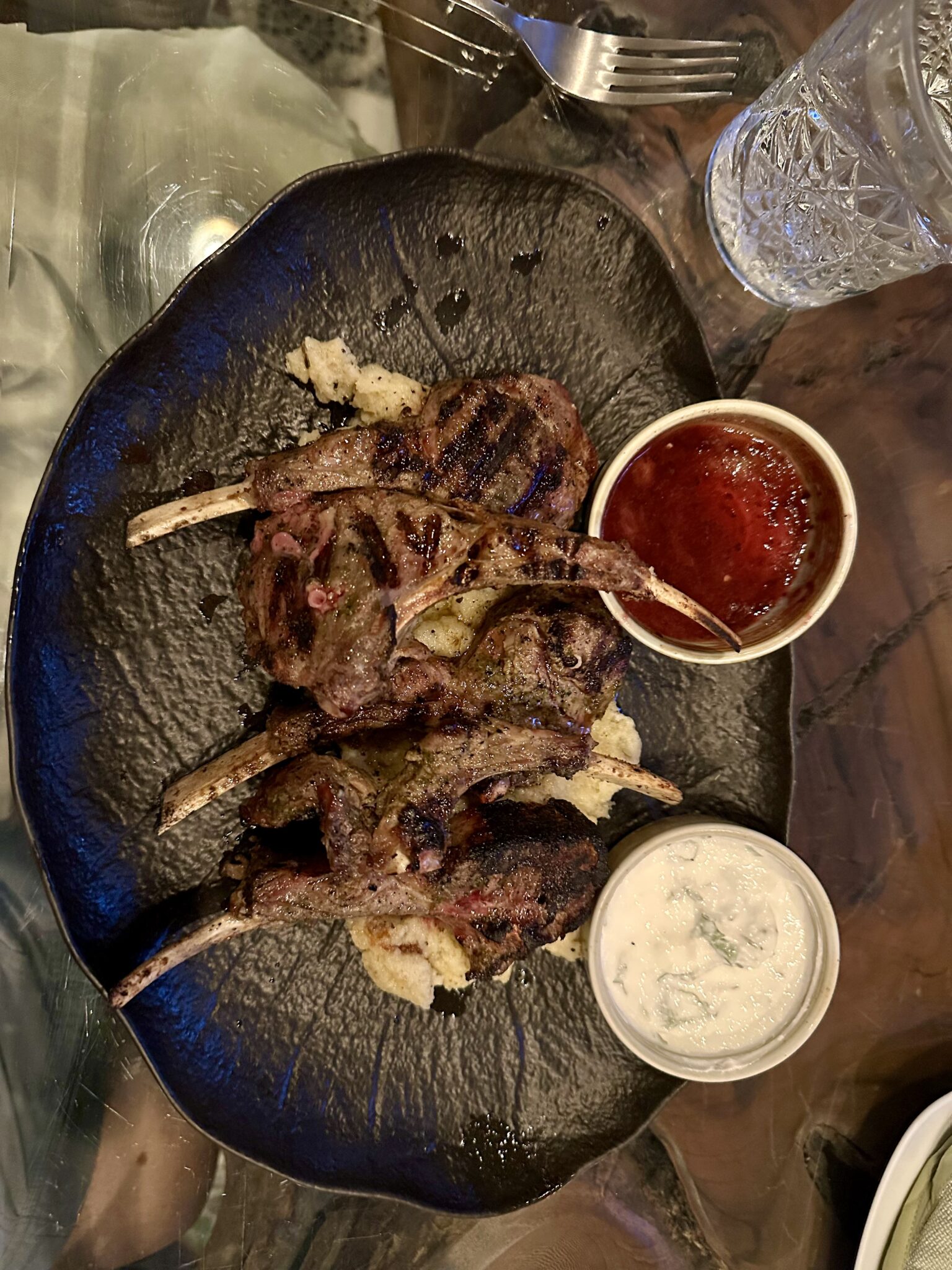
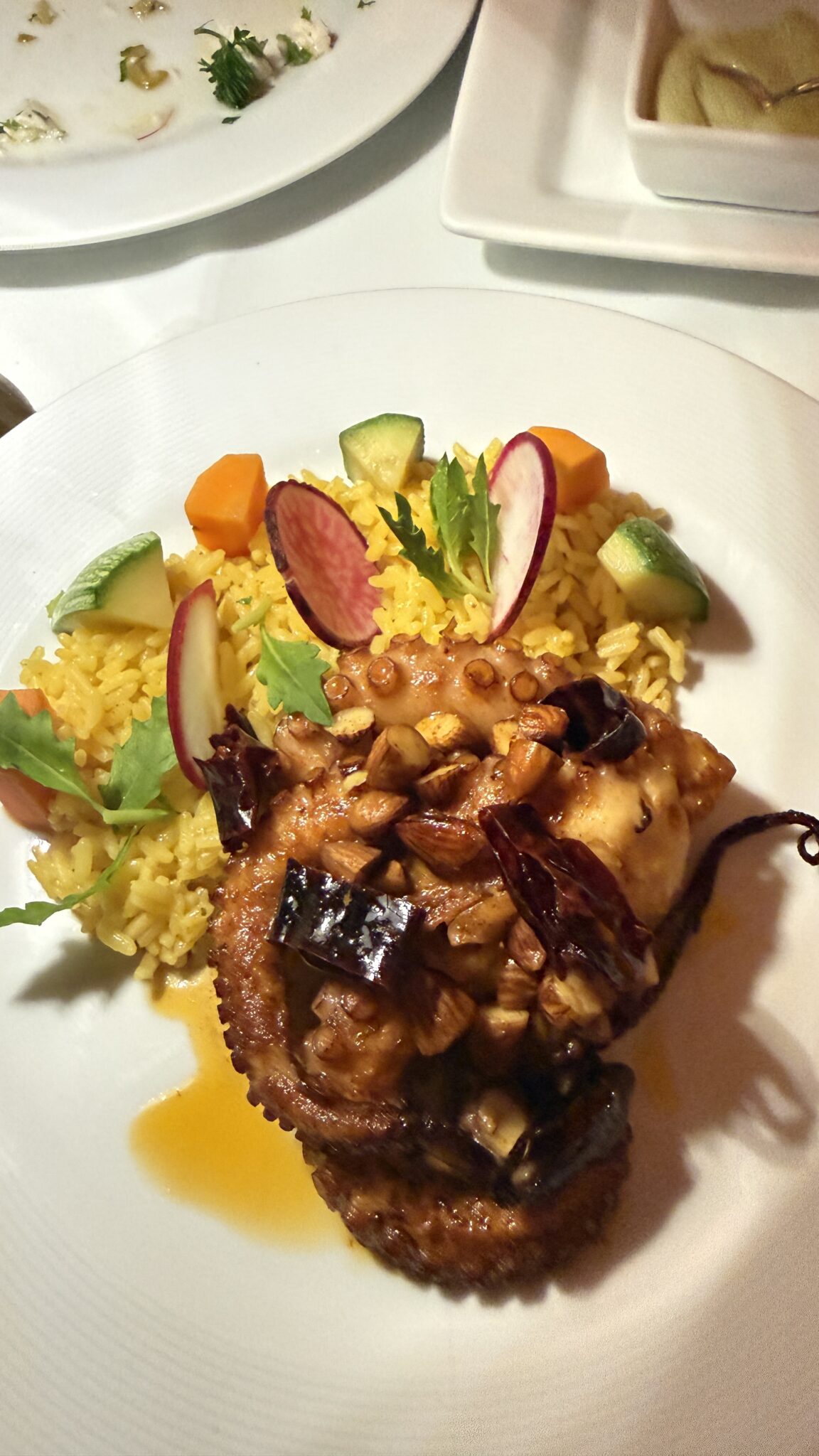
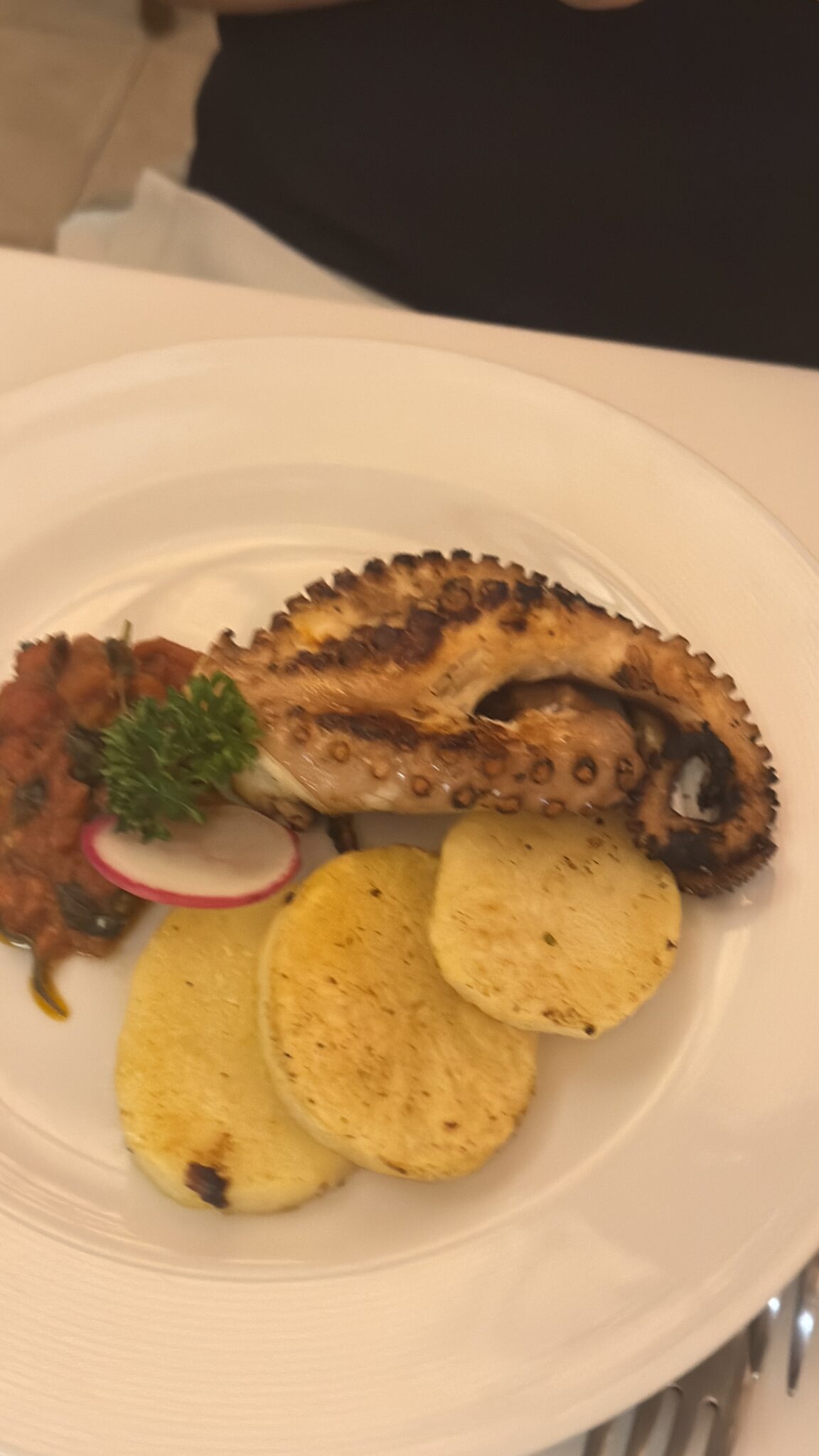
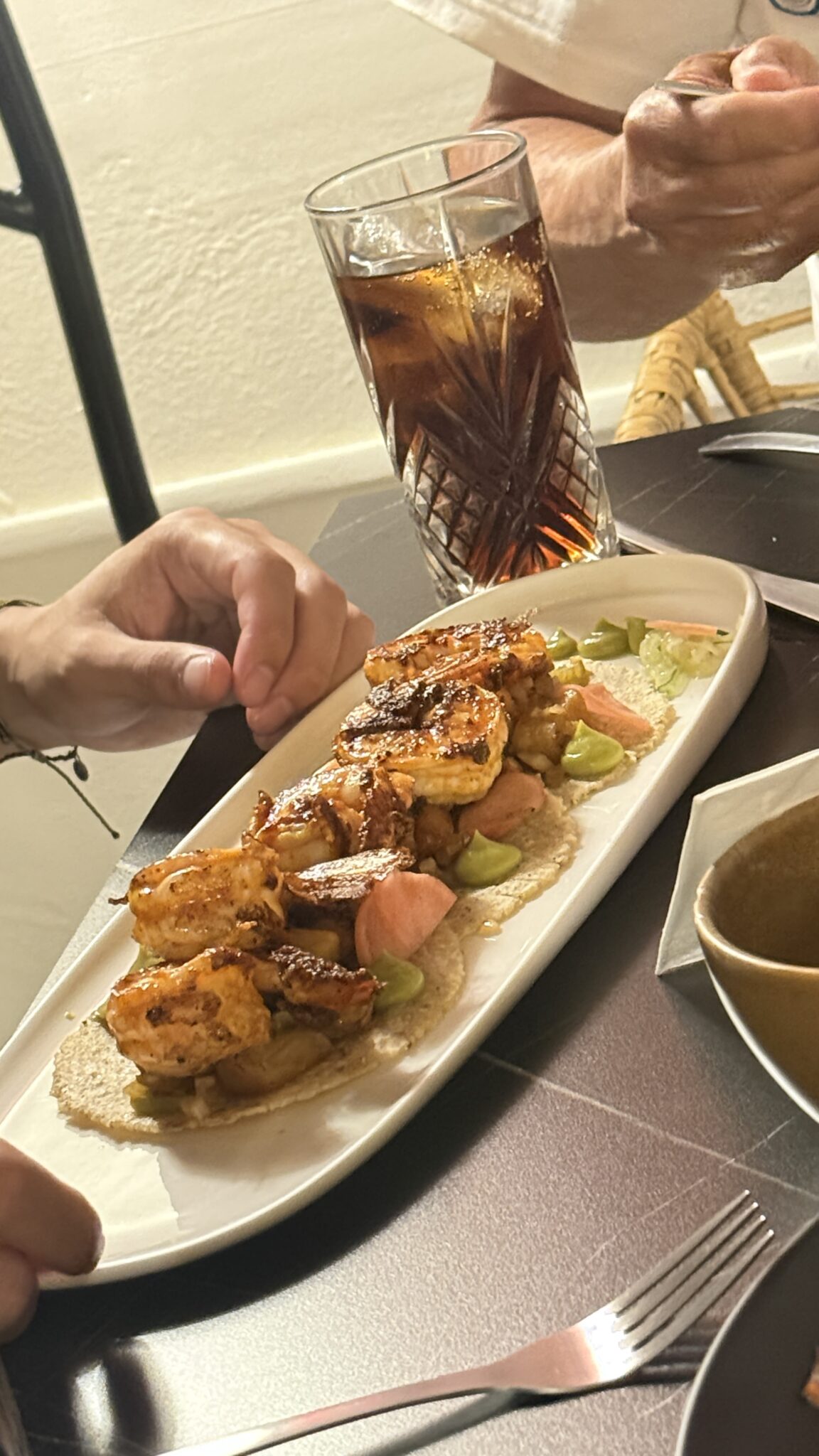
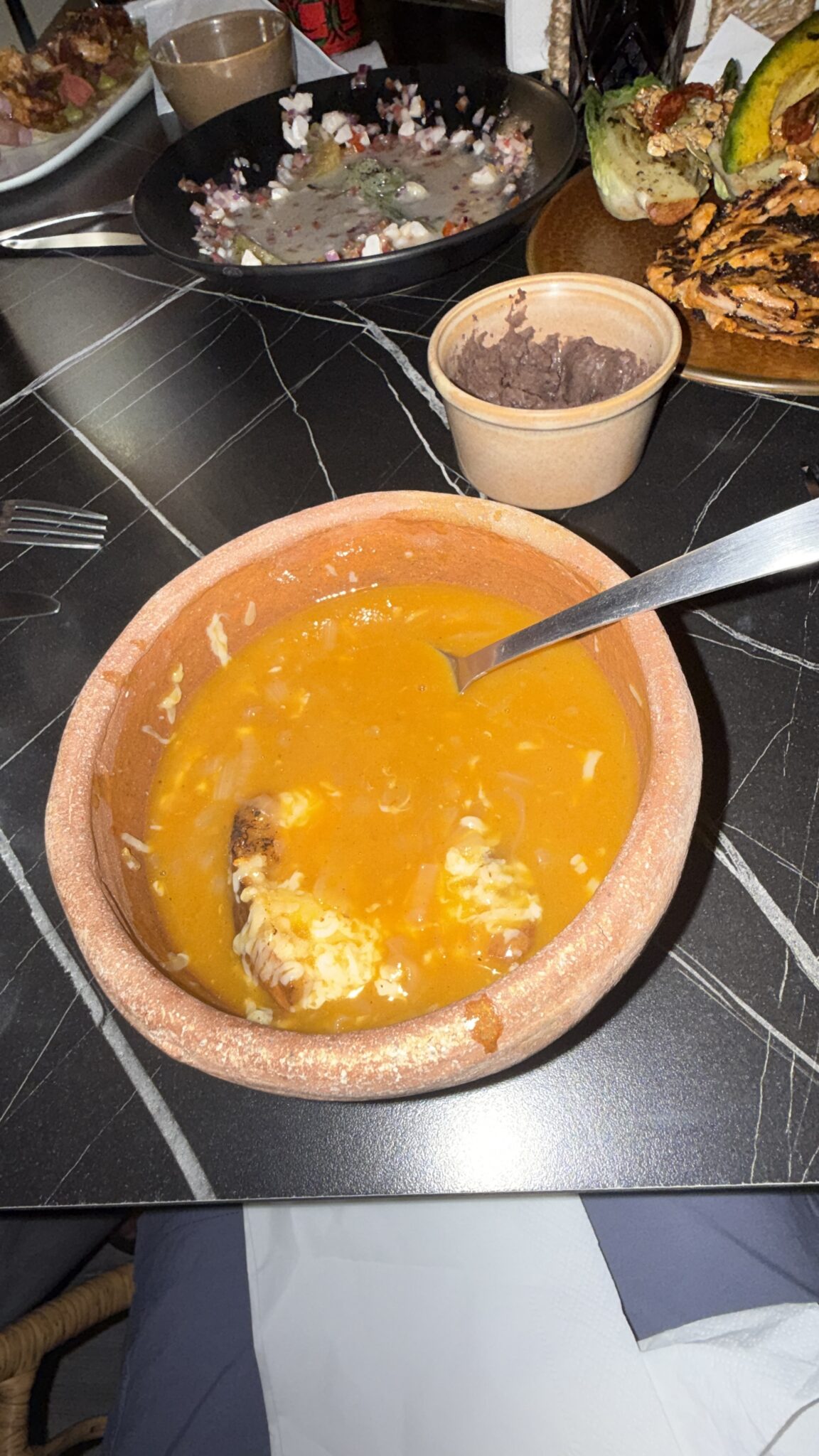
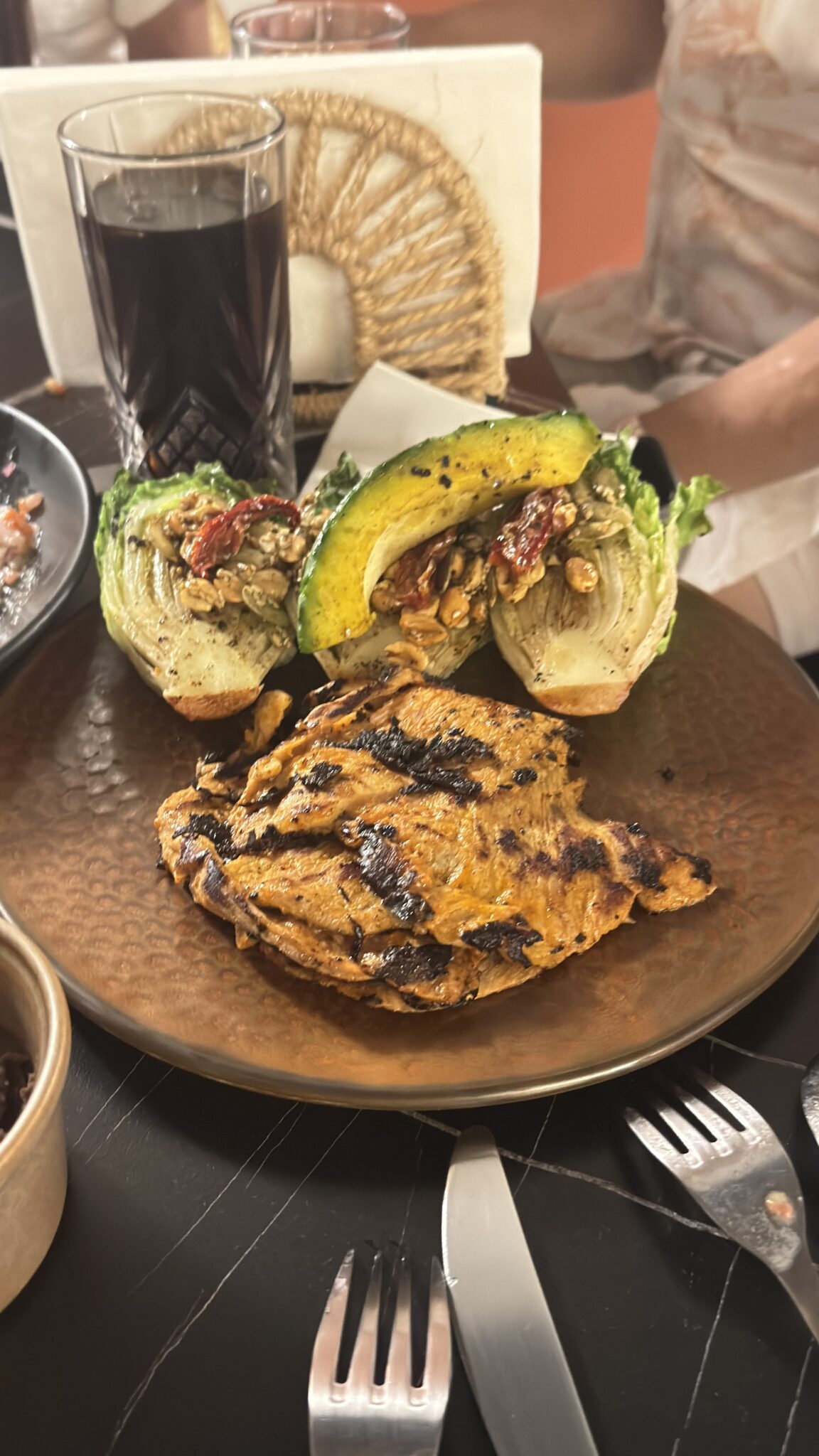
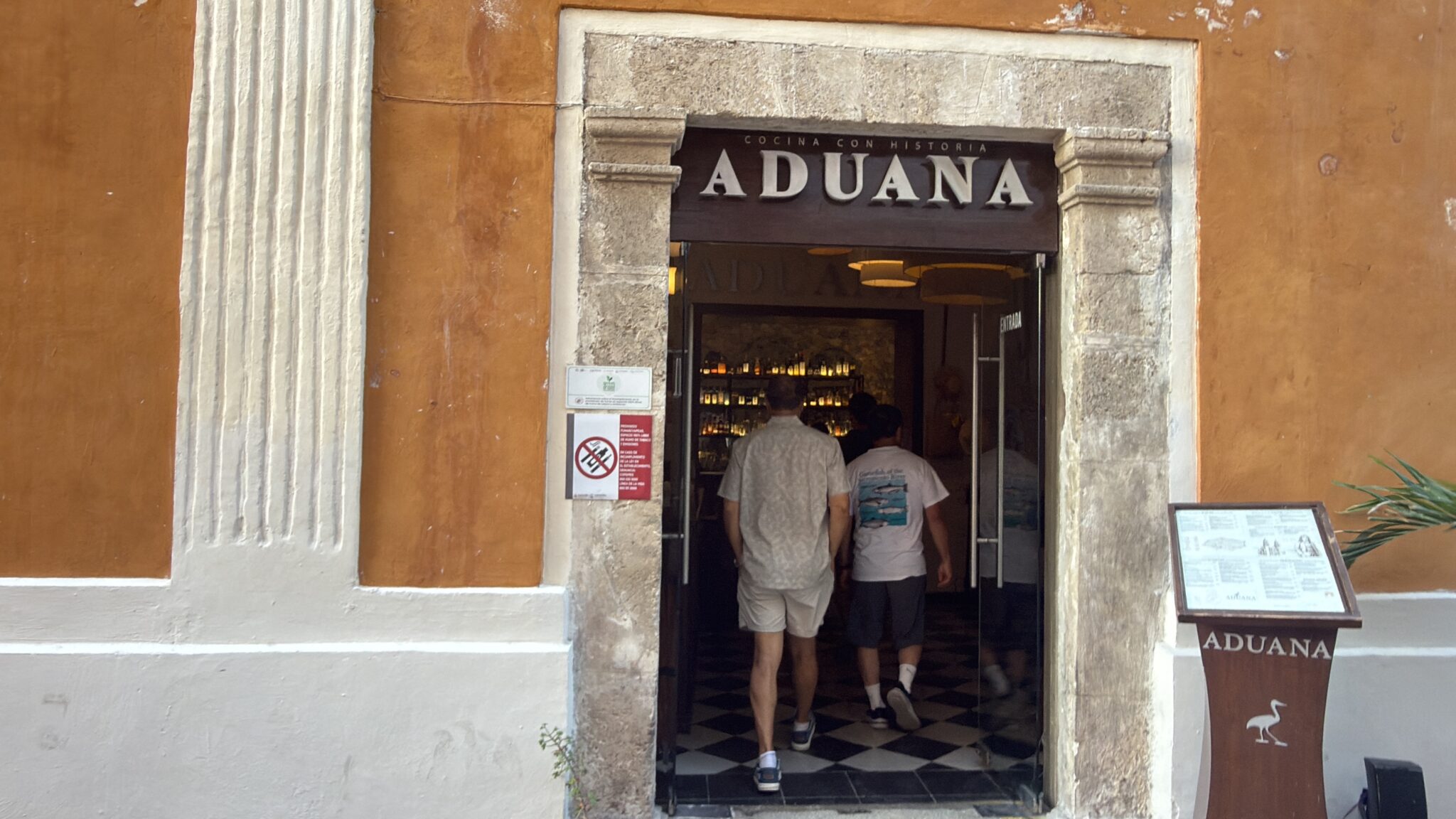
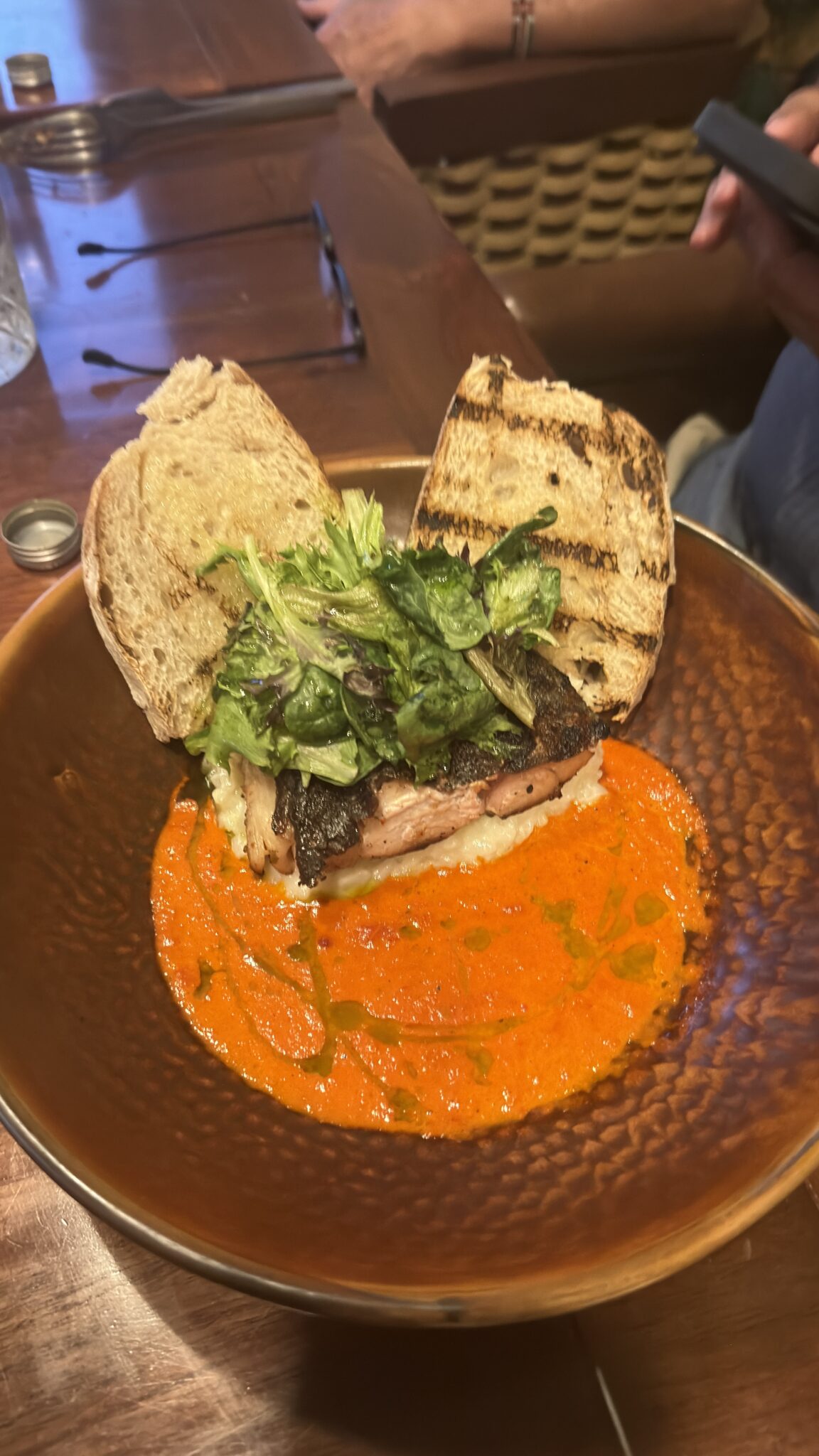
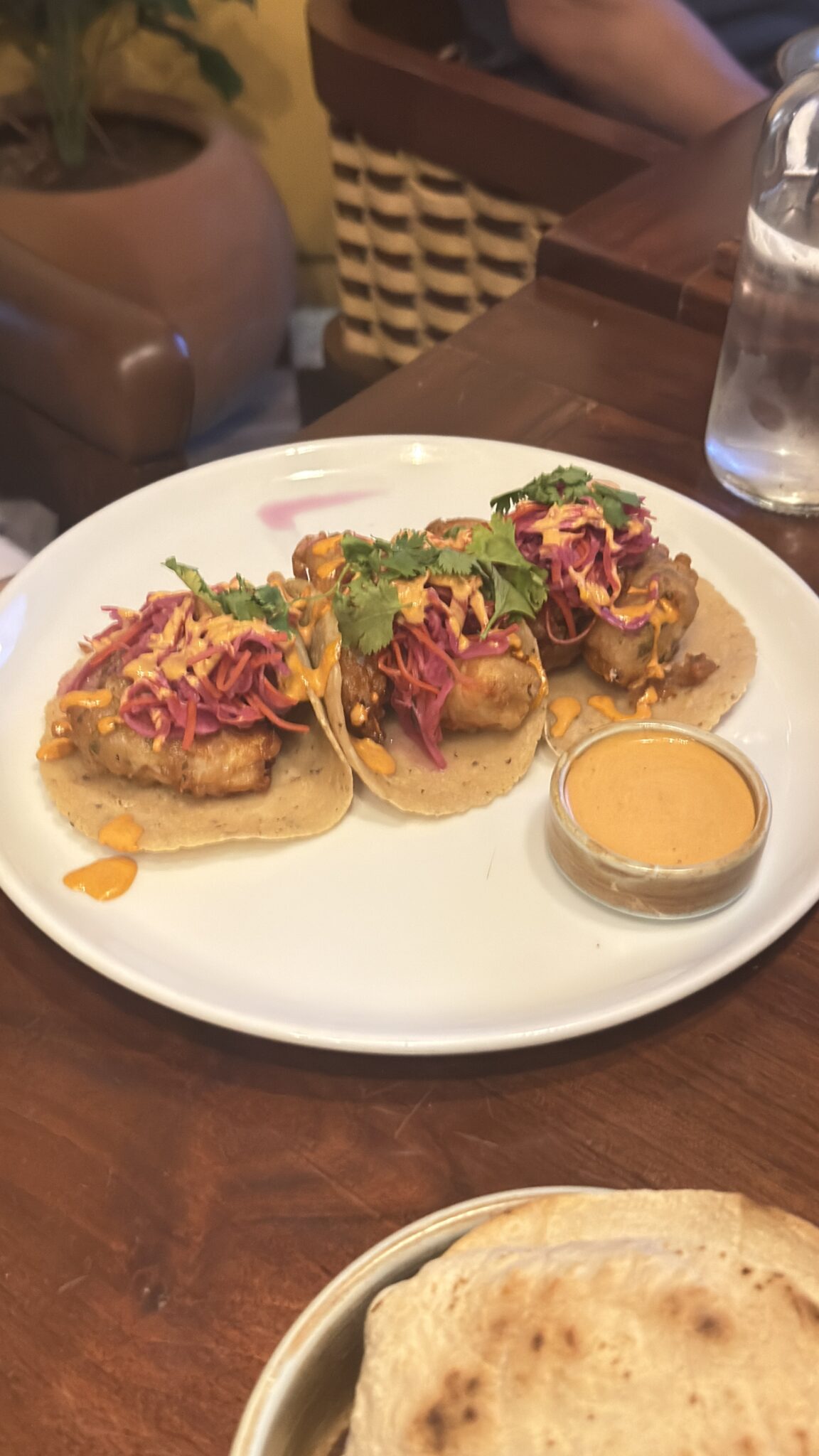
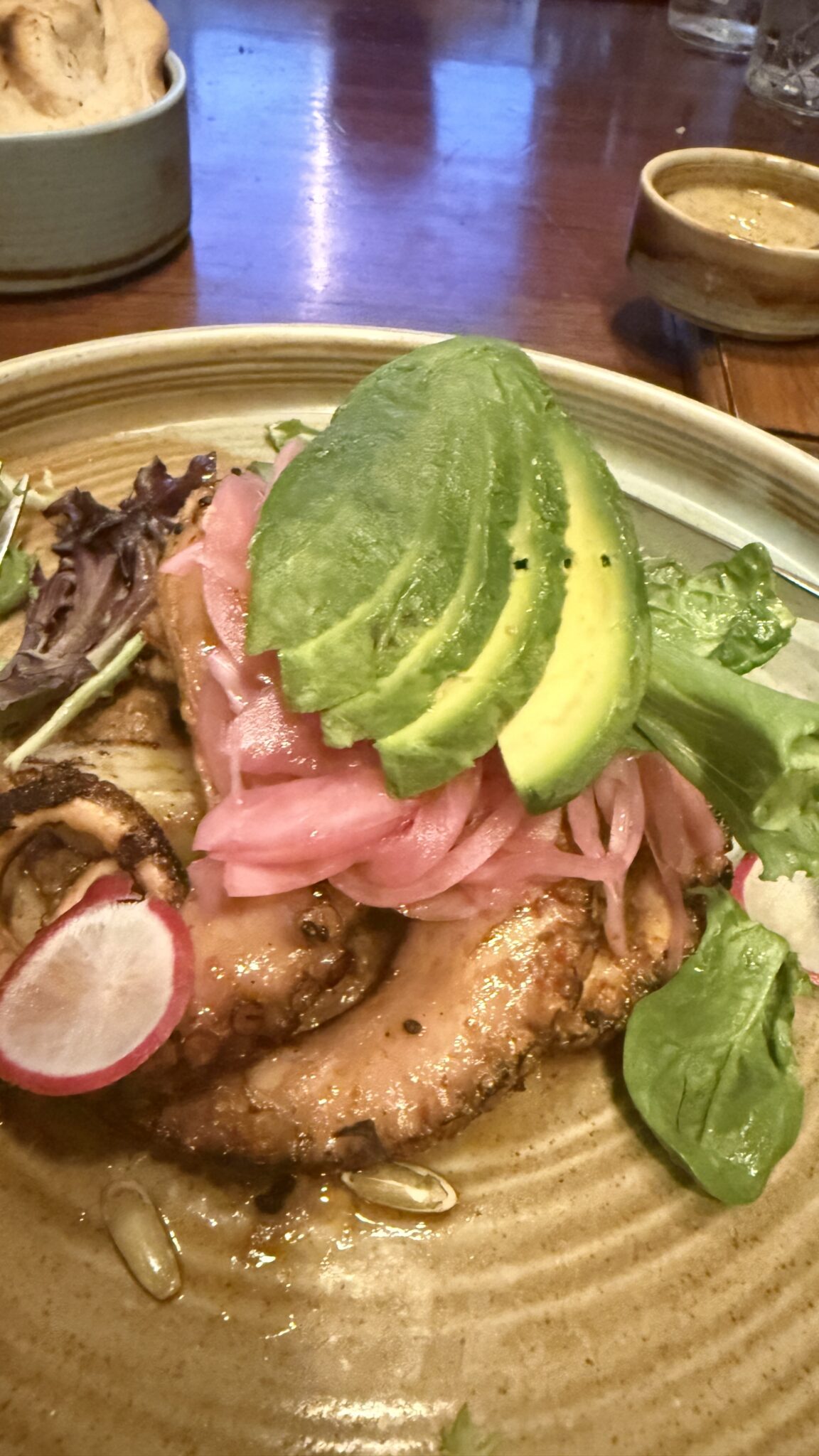
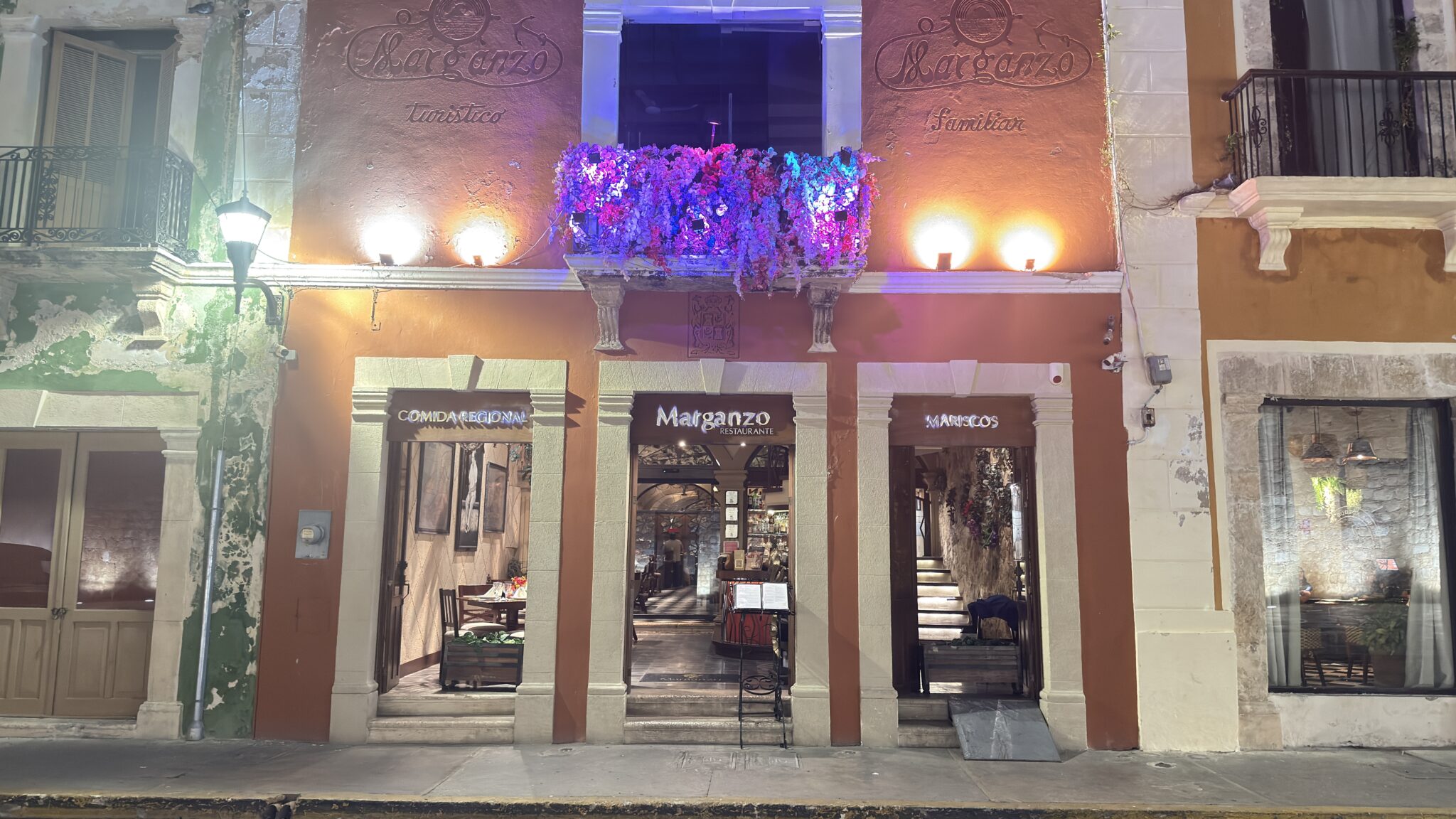
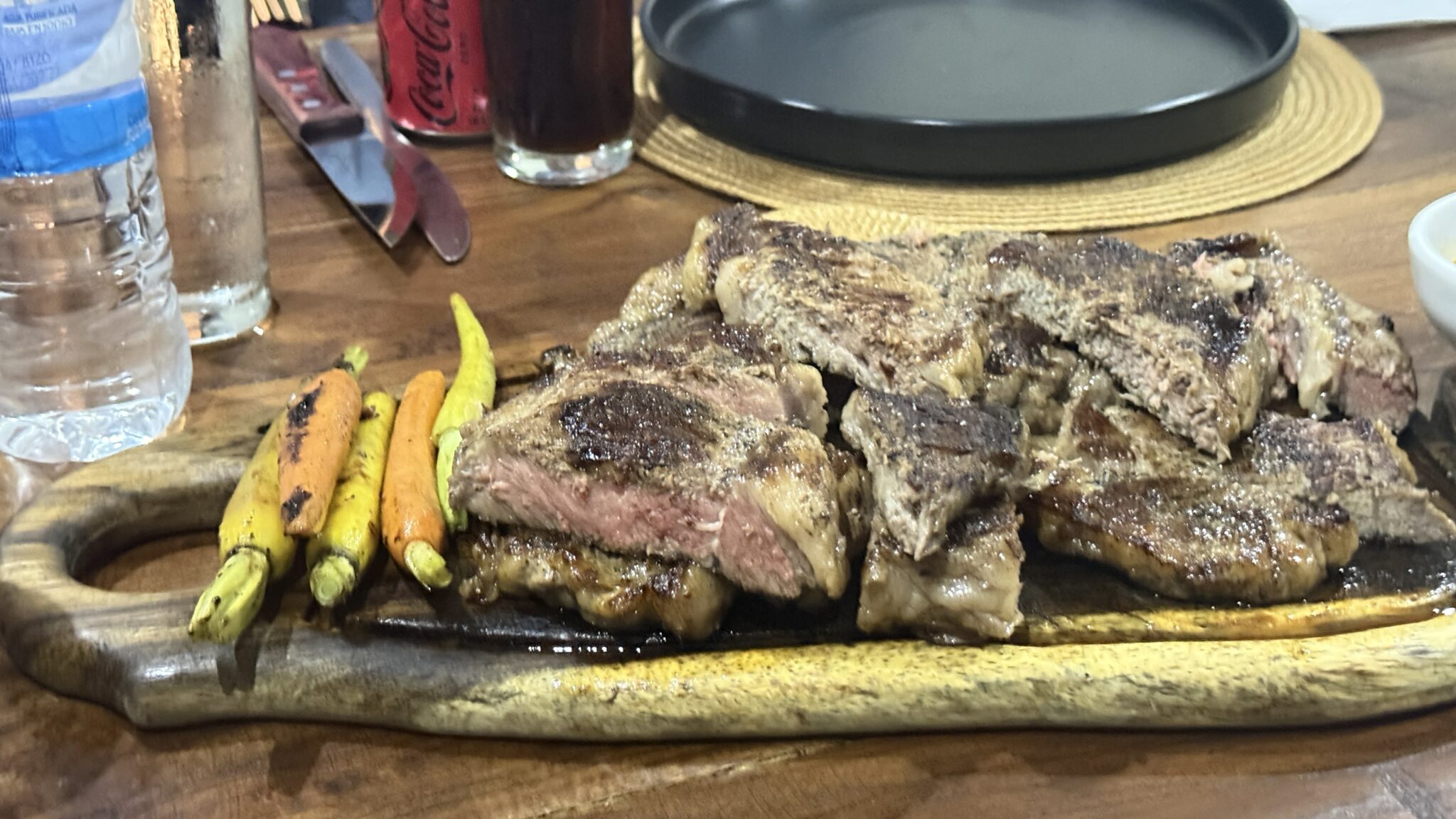
Tarpon Cay also has some logistical advantages. The boats are located directly across the street from the hotel, making it easy to get on the water quickly. The food at both destinations was excellent, but meals at Tarpon Cay are served within the lodge itself rather than requiring a trek into town. To be fair, every restaurant we visited in Campeche was outstanding, and a few were arguably better than anything at Tarpon Cay. Then again, we came to fish, not eat.

From a fishery standpoint, Tarpon Cay has the edge. Its proximity to deep water and the presence of nearby ocean cenotes create ideal tarpon habitat. The fish seem to roll on the flats more consistently, making them easier to locate. That same geography also provides opportunities for permit and bonefish, and during the migration, anglers can target much larger tarpon by working the deeper water close to the lodge.

Where Campeche clearly surpassed Tarpon Cay was in the quality of the hotel and the hospitality. Our host, Alex Hernandez, and his father were exceptional. As multi-generational Campechanos, they shared not only their knowledge of the region but also their pride in it. Their warmth and genuine hospitality made us feel less like customers and more like welcomed guests.

The Fishing

Tarpon fishing — even for “baby” tarpon — is apex skilll level fly fishing. Every session gives you a limited number of real shots, and when the fish are rolling at daybreak or sunset, you’d better already have your fly moving in the right direction before your brain finishes processing what just happened.   And dont count on your guide to teach you.  The guides actually didn’t say very much at all. Most of the communication happened through frantic pointing, emotional urgency, and what I’m fairly certain were Spanish expletives directed either at the fish, the cast, the wind, or possibly us.

Occasionally one of them would suddenly stiffen up like a hunting dog, point violently toward some invisible location in the mangroves. uttering command in spanish with some english words like “o’clock. mangrove or stick” thrown in.  Now for experienced tarpon fishermen, this apparently translates into:  “There is a moving fish at approximately eleven o’clock, fifty-five feet, quartering slightly left through the glare, under the shadow line, approaching the bait seam.” For me, it translated more into: “Something may or may not exist somewhere near that tree.”

Personally, I prefer not casting at fish I cannot actually see. Randomly firing eighty-foot casts into dark mangrove water feels less like fly fishing and more like participating in some tropical version of skeet shooting. But for Jerry, the experience was pure chaos. The guides would suddenly erupt into frantic commands, the fish appeared and disappeared in seconds, and between the language barrier, severe tunnel vision, and eyesight that probably shouldn’t legally qualify for night driving, trying to follow directions became its own high-pressure survival exercise. Half the battle wasn’t making the cast — it was figuring out where everyone was yelling to cast in the first place.  By the time Jerry located the general direction the guide was pointing, the tarpon had usually already graduated college, started a family, and moved into another lagoon.

And honestly, I can’t blame him. Tarpon fishing happens absurdly fast. One second you’re peacefully false casting at sunrise thinking about breakfast, and the next moment a guide is yelling, your line is wrapped around your foot, somebody is ducking a backcast, and a hundred pounds of chrome chaos is exploding somewhere in front of the boat while everyone simultaneously screams “STRIP SET!” like they’re evacuating a building.

At which point your body instantly forgets how fly casting works.

Too short? Bad.
Too long? Bad.
Hit the fish on the head? Very bad.
Pile of slack? Bad.
Wrong angle? Bad.
Trout set? Catastrophically bad.

Tarpon have a supernatural ability to make experienced freshwater fly fishermen look like they just purchased their first fly rod at Costco.  And unlike trout, tarpon don’t politely rise three more times so you can rethink your presentation. They roll once, vanish into black water, and leave you standing there wondering if you should take up pickleball instead.   The famous “don’t trout set!” advice is absolutely true, but it’s also only about 5% of the game. Tarpon fly fishing is really about minimizing failure. The best tarpon anglers in the world have simply made every possible mistake thousands of times already. Missed shots. Pulled flies away too early. Stripped too fast. Too slow. Wrong fly depth. Bad angles. Stepped on fly line. Backcast into mangroves. Hooked their guide. Probably all before breakfast.

Personally, I enjoy filming my failures and watching them later like game film from a losing football season. Every blown shot, every missed fish, every bad decision becomes a lesson waiting to be discovered.  I also love studying how great fishermen work. Over the years, I’ve had the privilege of fishing alongside many of the best. What fascinates me most isn’t necessarily how they cast—although that’s certainly part of it. It’s what they do when they aren’t casting.  How they position themselves on the boat. How they watch the water. How they manage their line. How quickly they react to changing conditions. How they stay focused when nothing is happening. And perhaps most revealing of all, how they fight and land a fish.

Those things speak volumes about an angler’s past experiences. You can often see thousands of hours on the water expressed in small habits that most people never notice. The best fishermen make difficult things look routine, not because they’re naturally gifted, but because they’ve already made every mistake imaginable and learned from it.  Watching them is like reading a biography without words.

The trip almost ended before it even began. The night before our departure, United Airlines randomly canceled our flight to Houston, which would have caused us to miss our connection to Mérida and likely torpedo the entire trip. At about 5:00 a.m., Jerry finally reached me with the news, and suddenly the morning turned into one of those frantic travel puzzles where every decision determines whether you’re fly fishing in Mexico or sleeping upright in an airport lounge somewhere. With help from Gina and Jennifer Wang, we managed to find seats on an earlier flight out of San Francisco. The catch was that making it would require equal parts luck, determination, and a willingness to drive faster than any reasonable person should before sunrise.

Somehow, we pulled it off.

The mad dash through the airport felt less like air travel and more like an endurance event designed specifically to test the cardiovascular fitness of senior citizens carrying fly rods. By the time we finally settled into our seats, we felt like we’d already survived the first adventure of the trip—and we hadn’t even left California yet.

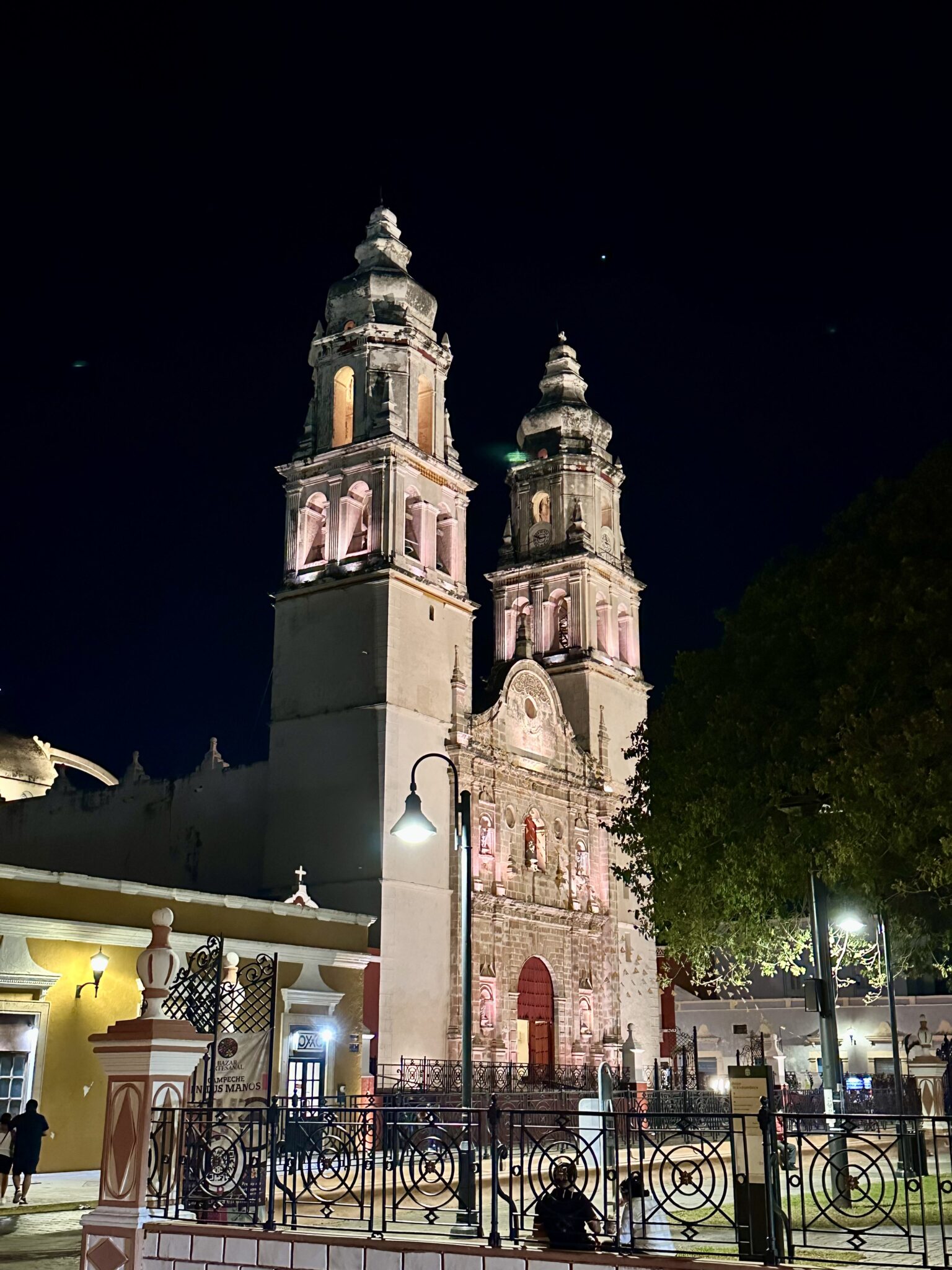
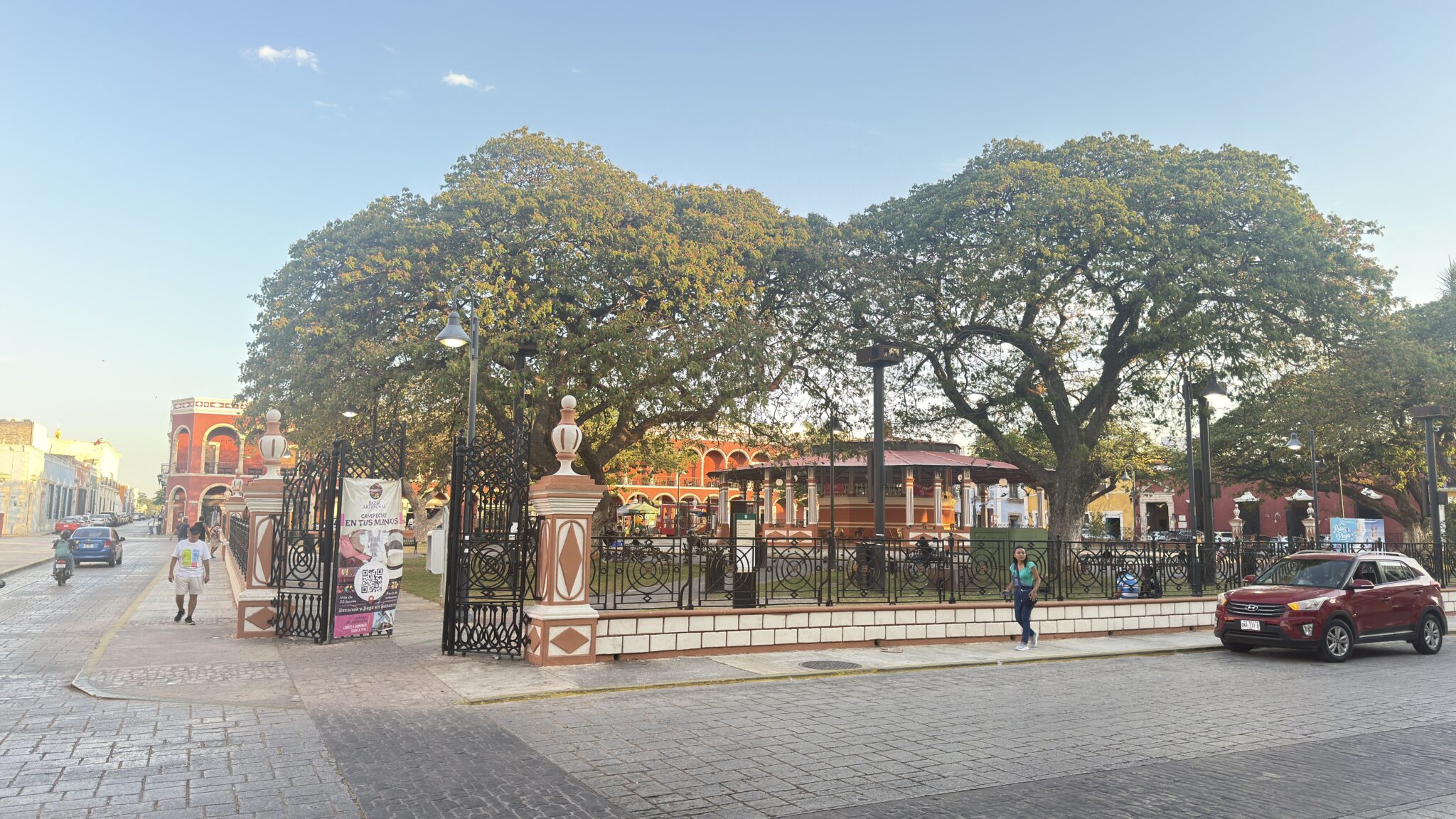
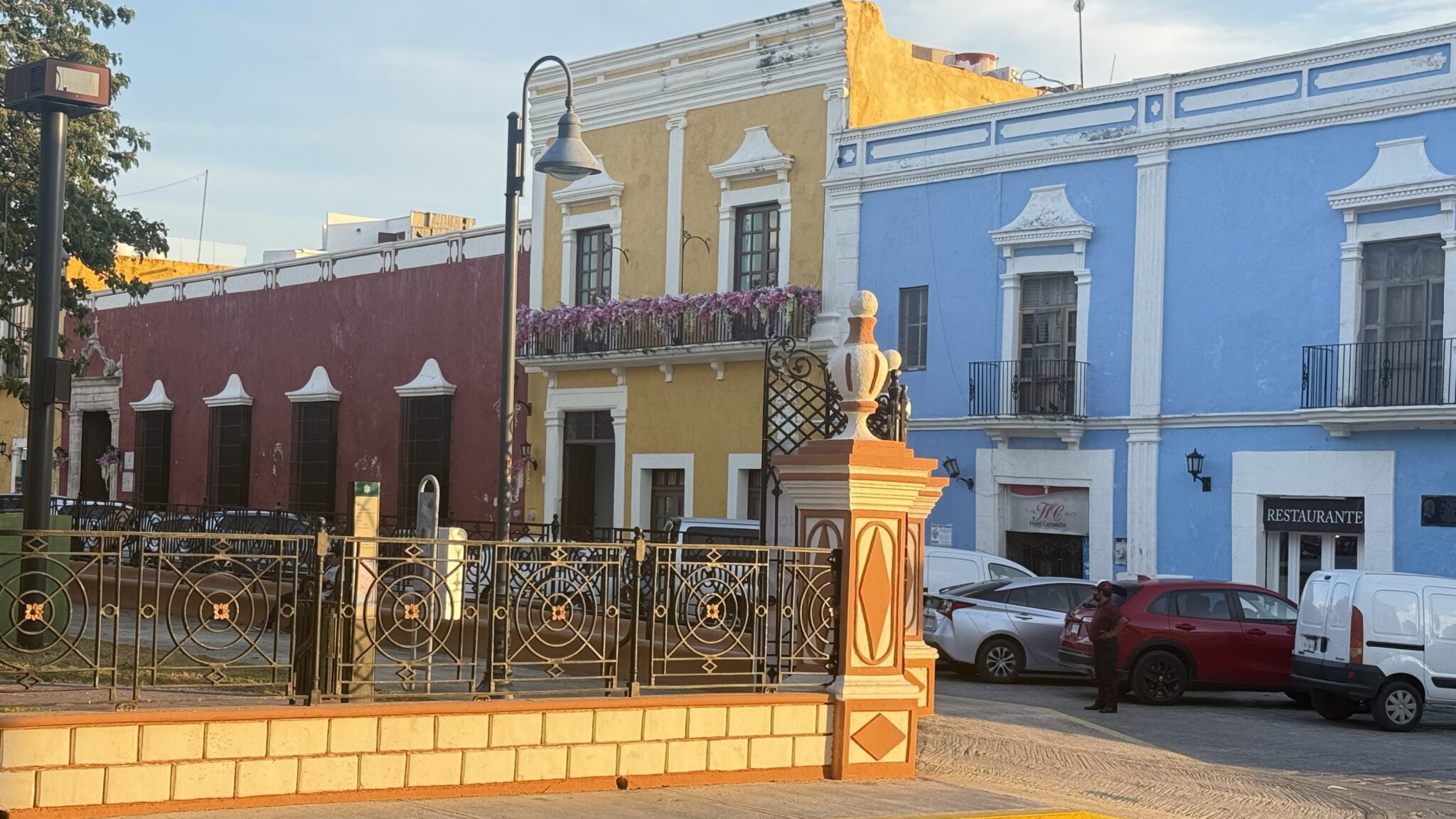
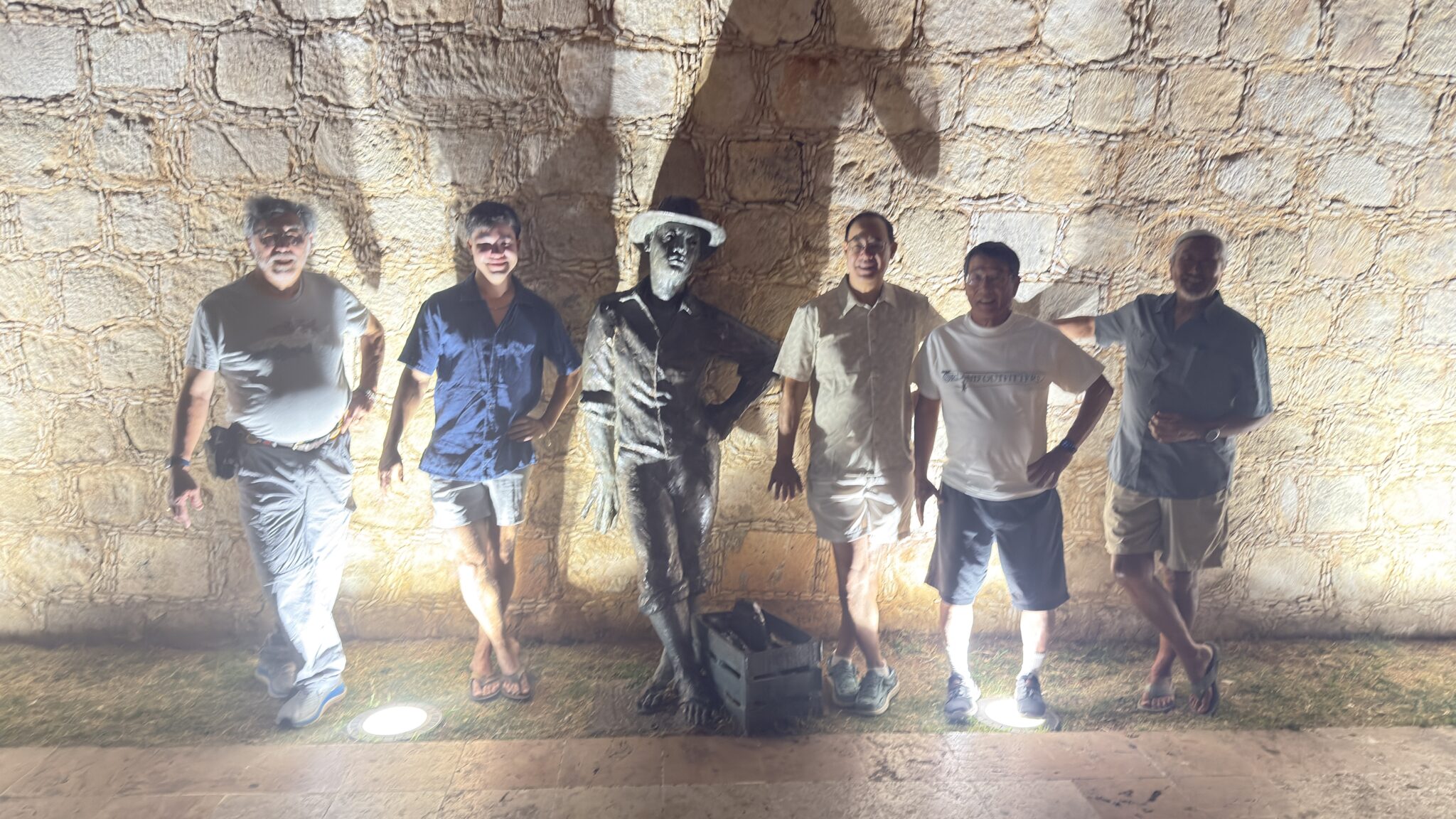
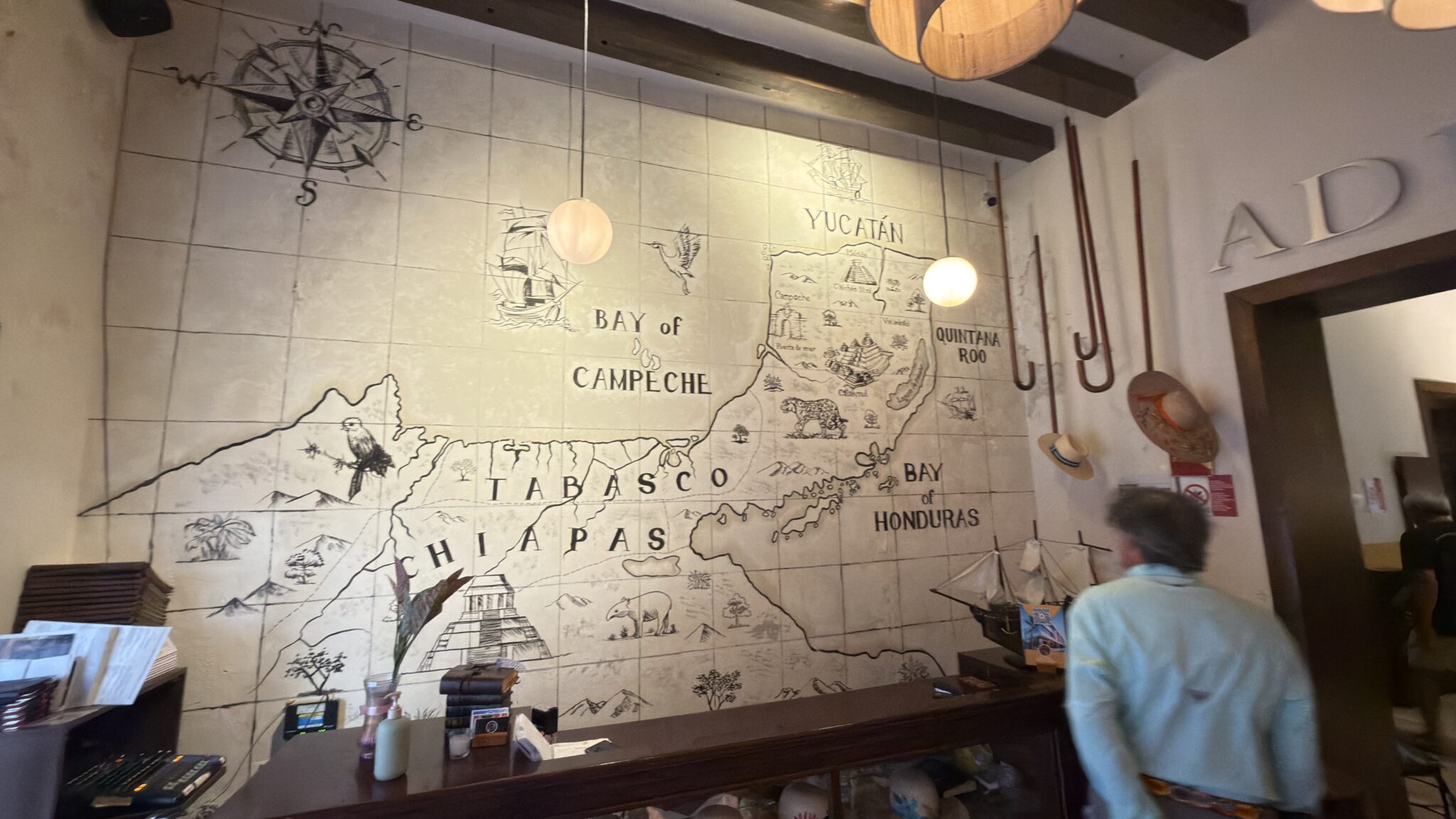
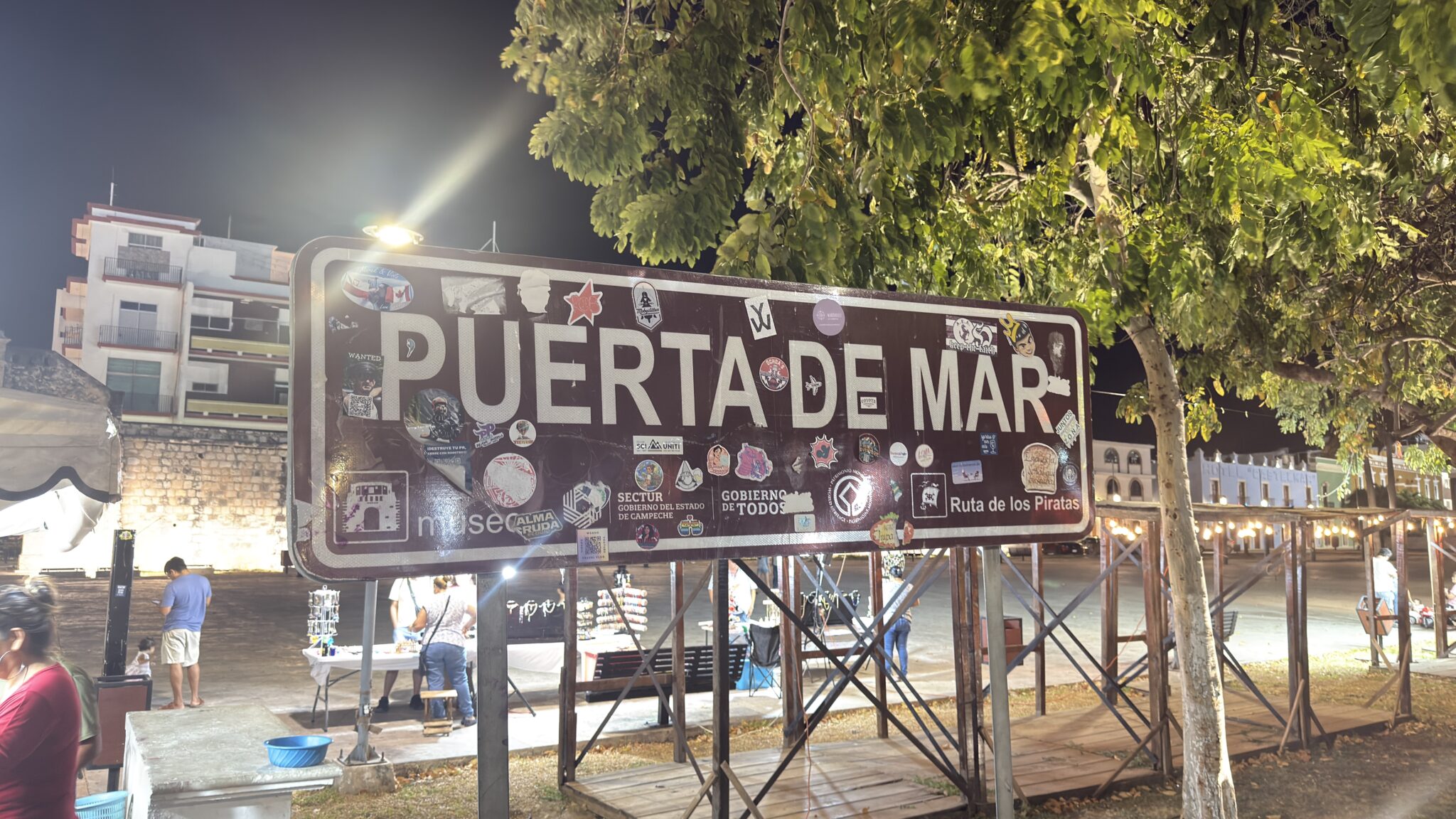
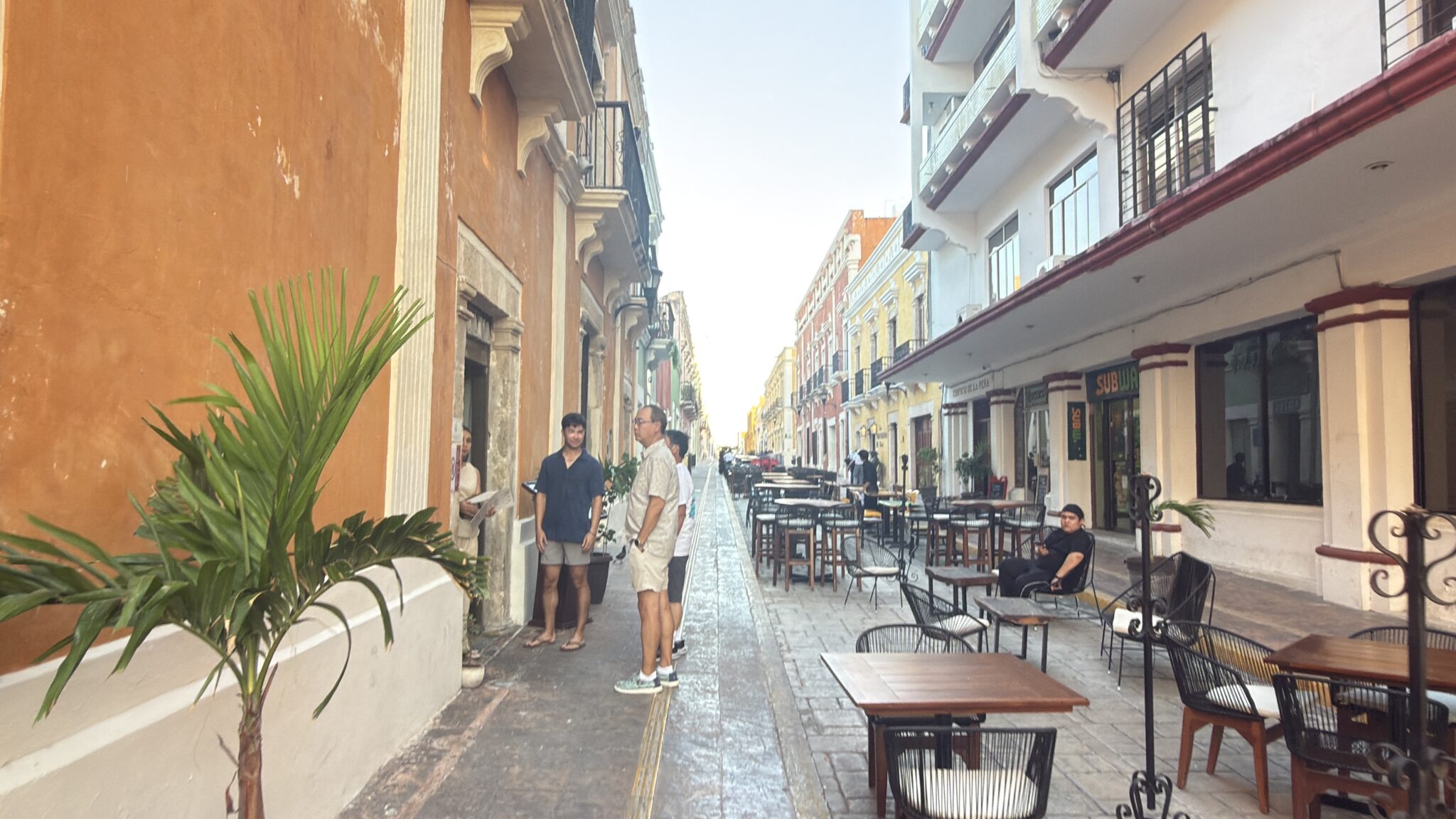
We met up with Wayne, Mathew, Benson and Victor in Houston  and connection to Merida.  Alex, the host, met us at the airport for the two-hour drive into town. Campeche itself has an old colonial charm that feels frozen somewhere between pirate history and tropical exhaustion. We finally rolled into the Lupitas Boutique Hotel close to midnight. Calling it a “boutique hotel” is technically accurate, although after twenty hours of travel I would have happily slept inside a bait freezer if somebody handed me a pillow.

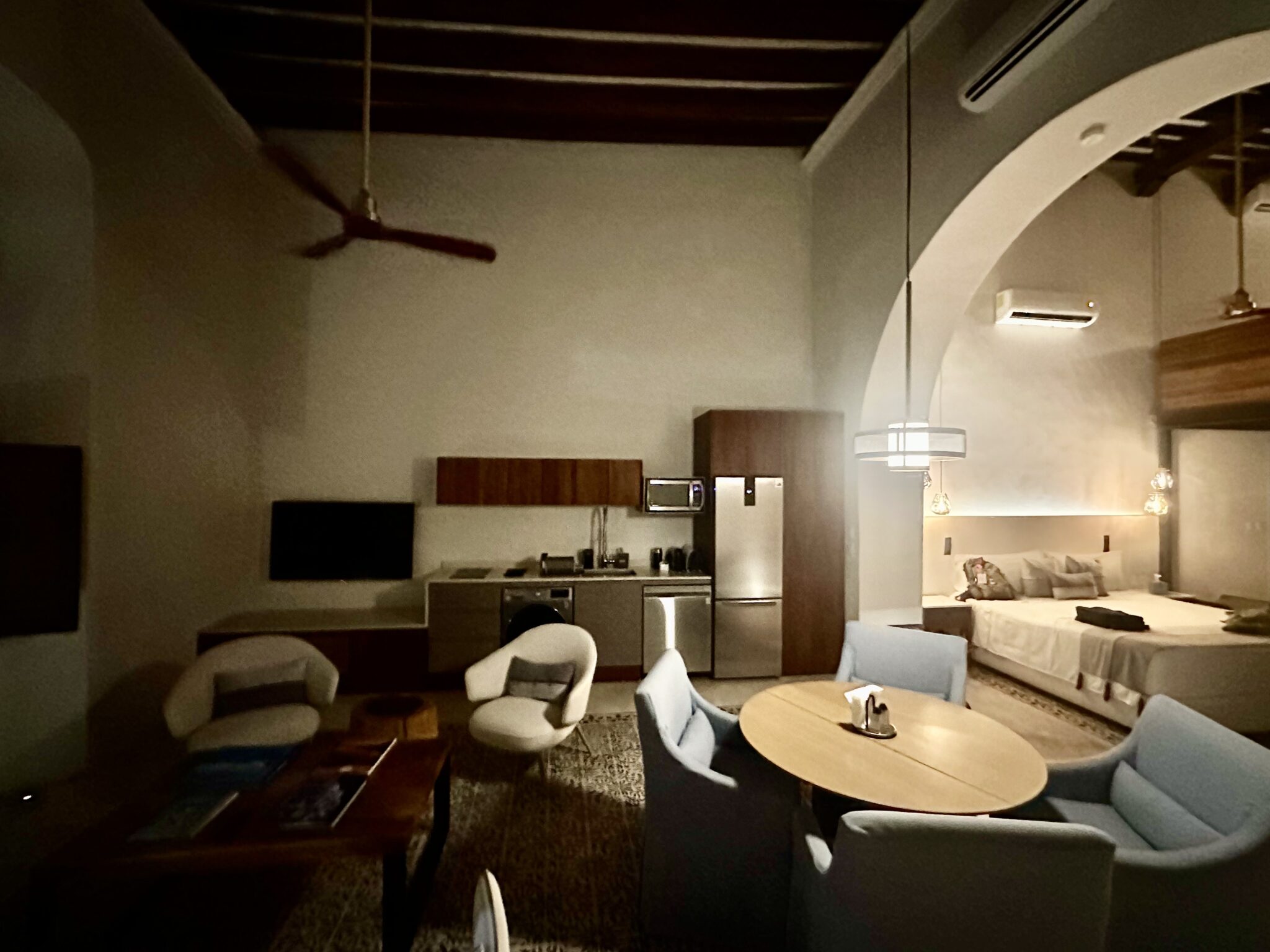
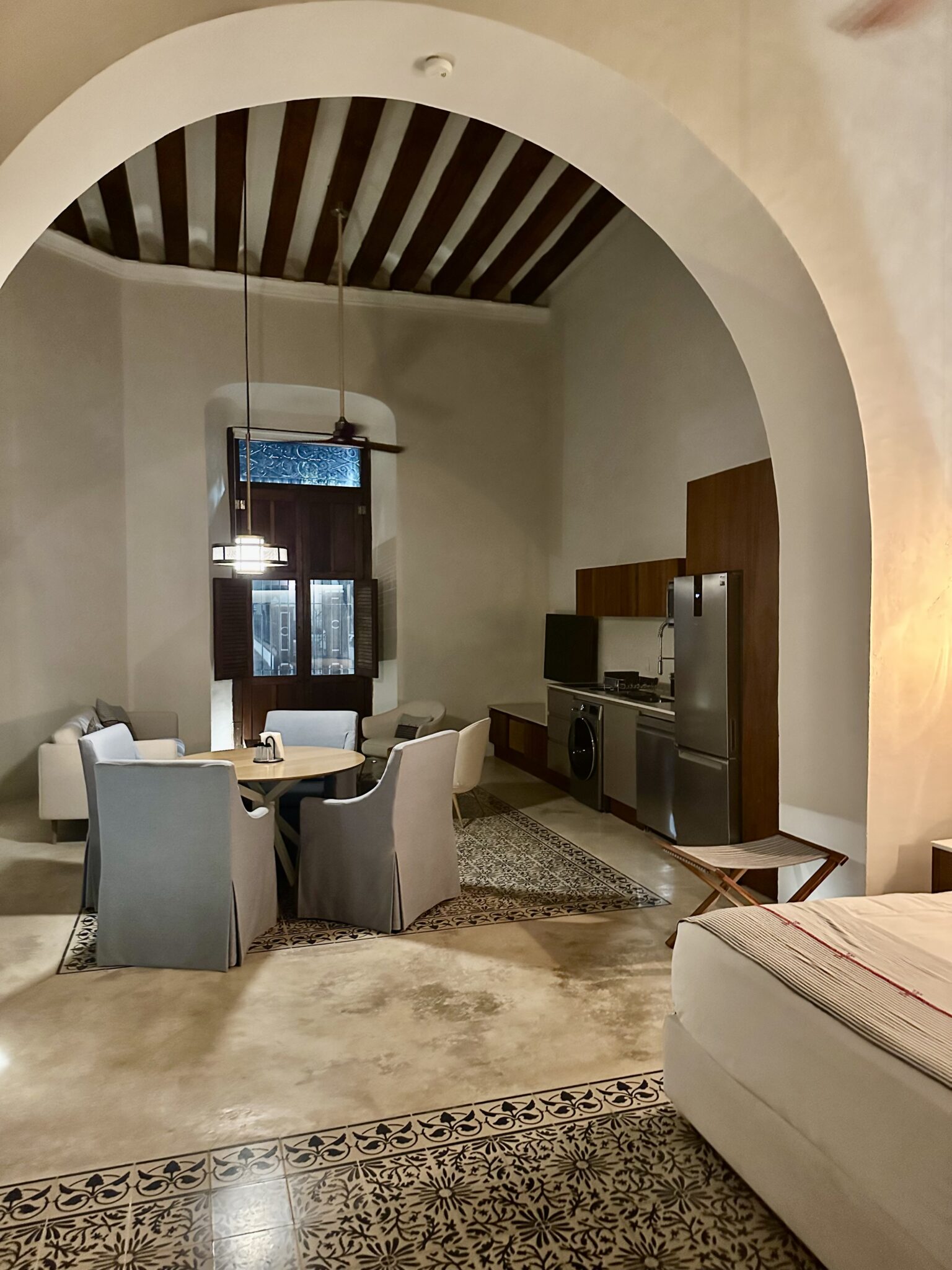
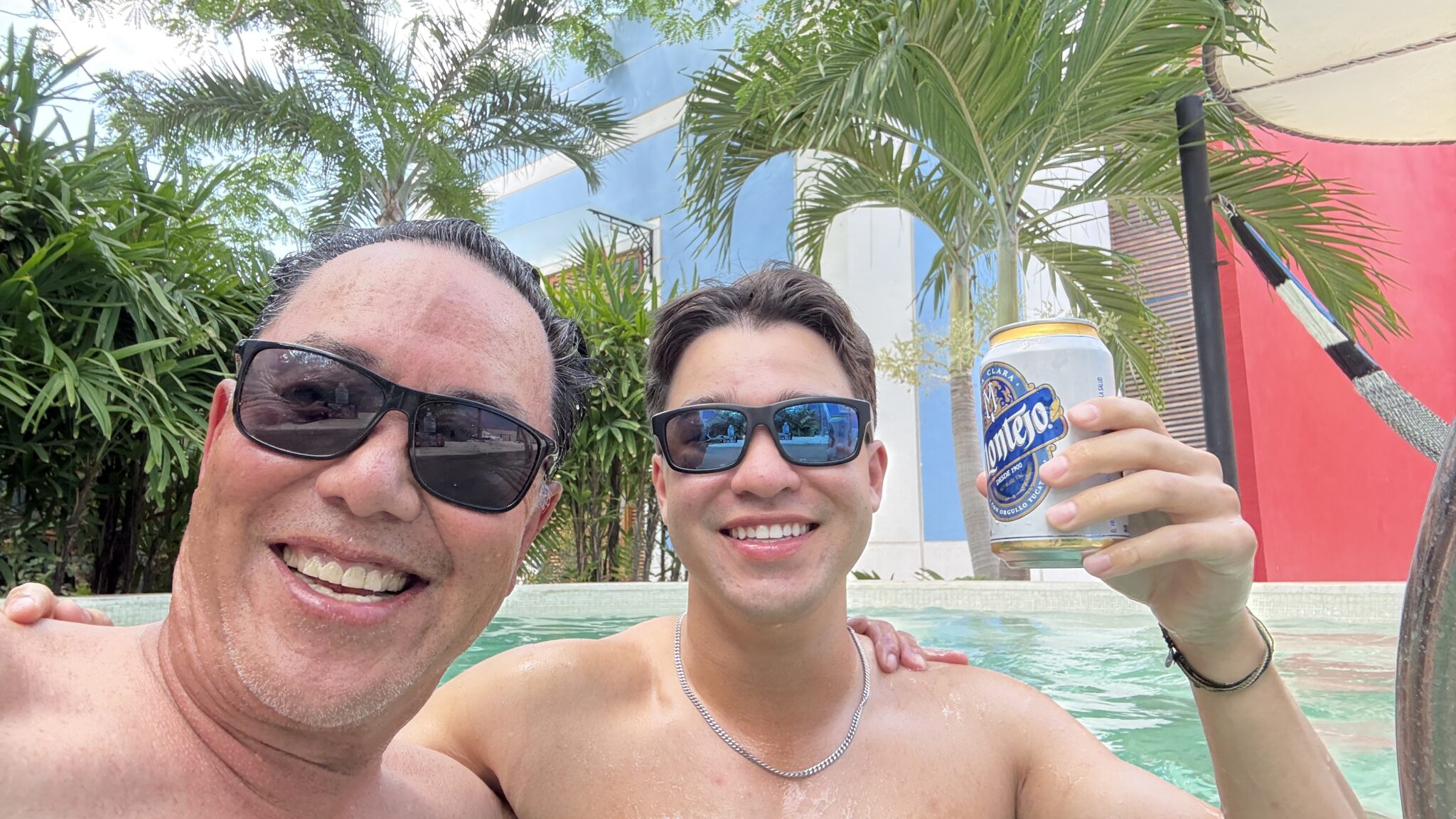
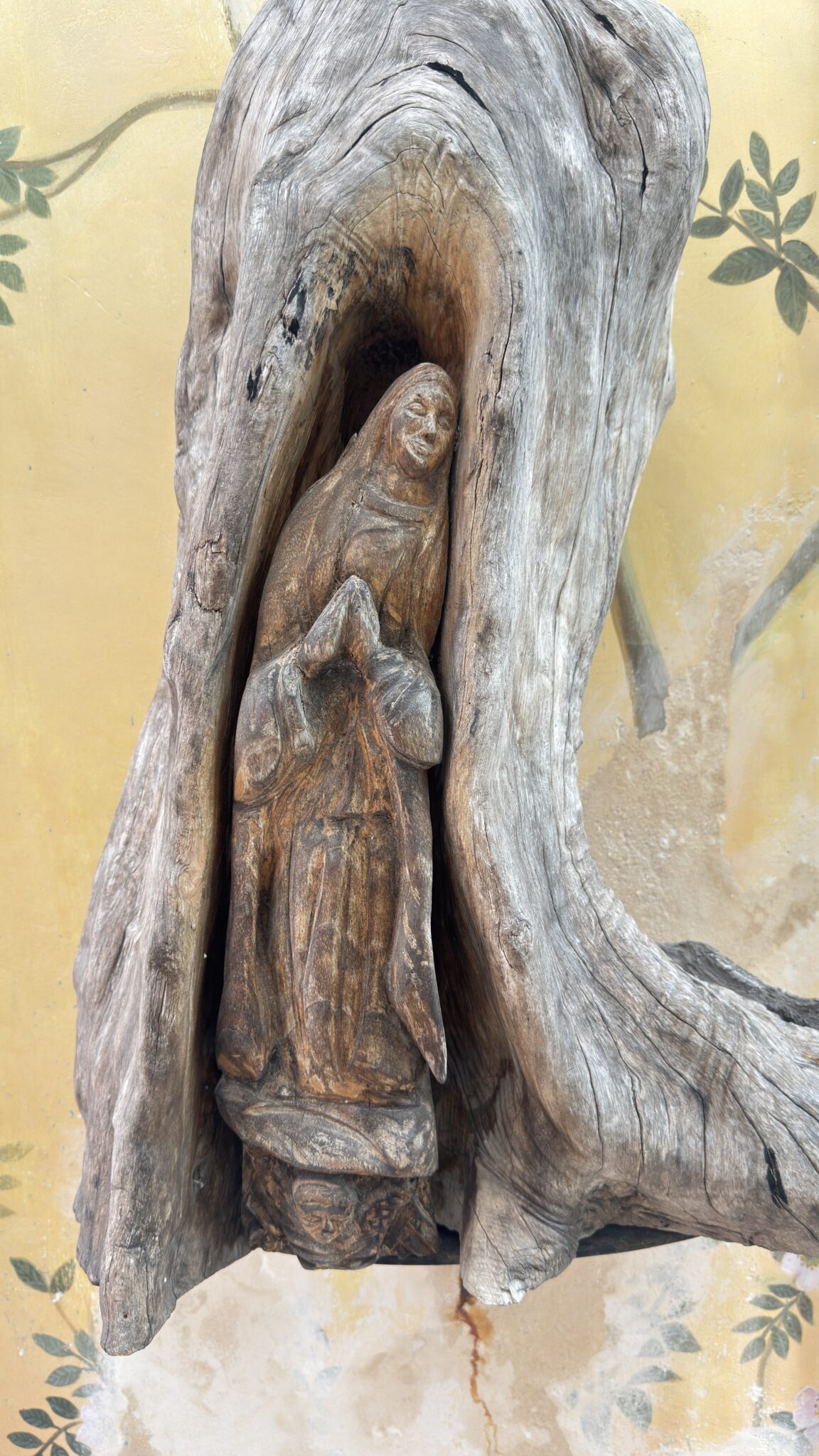
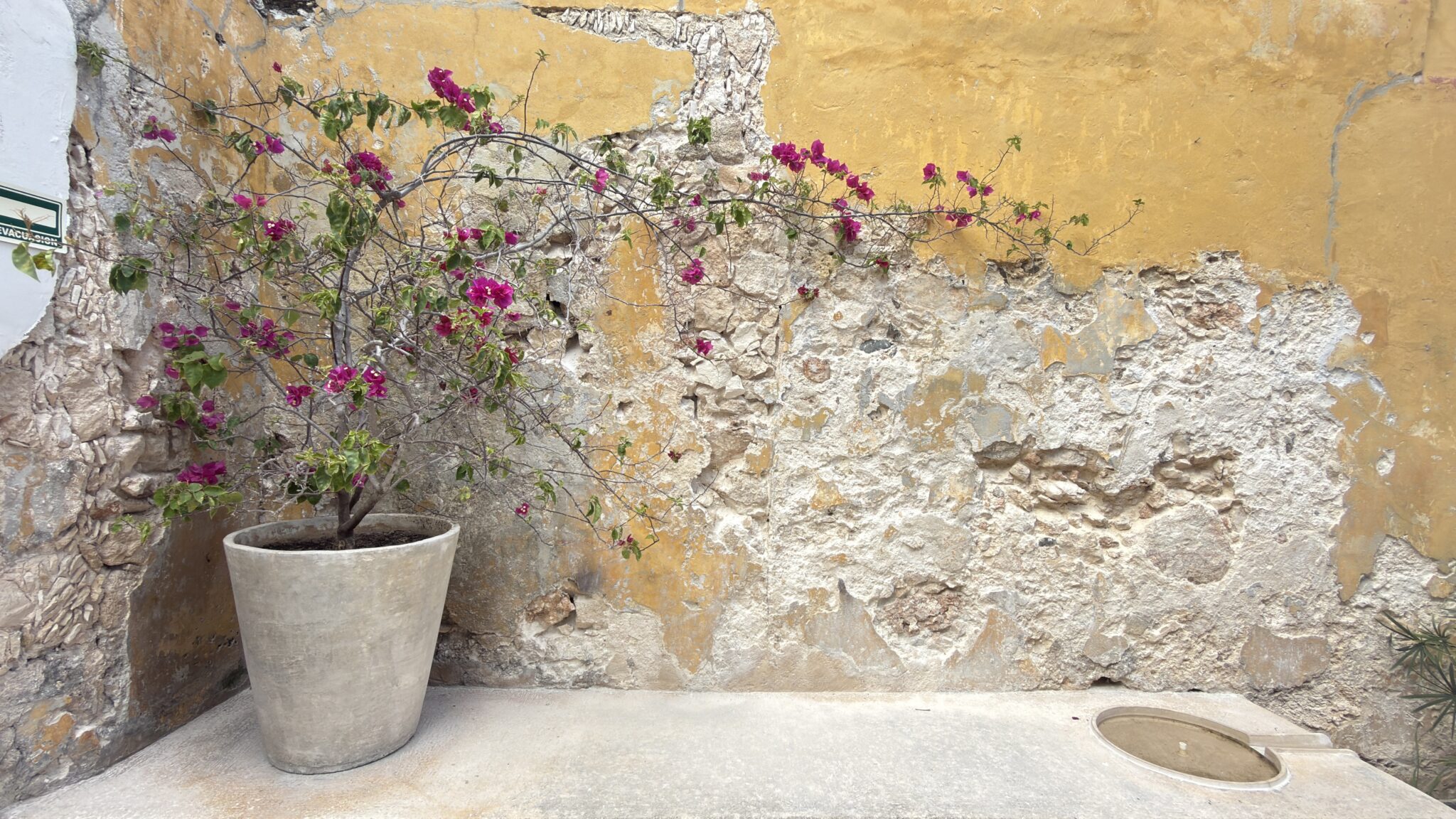
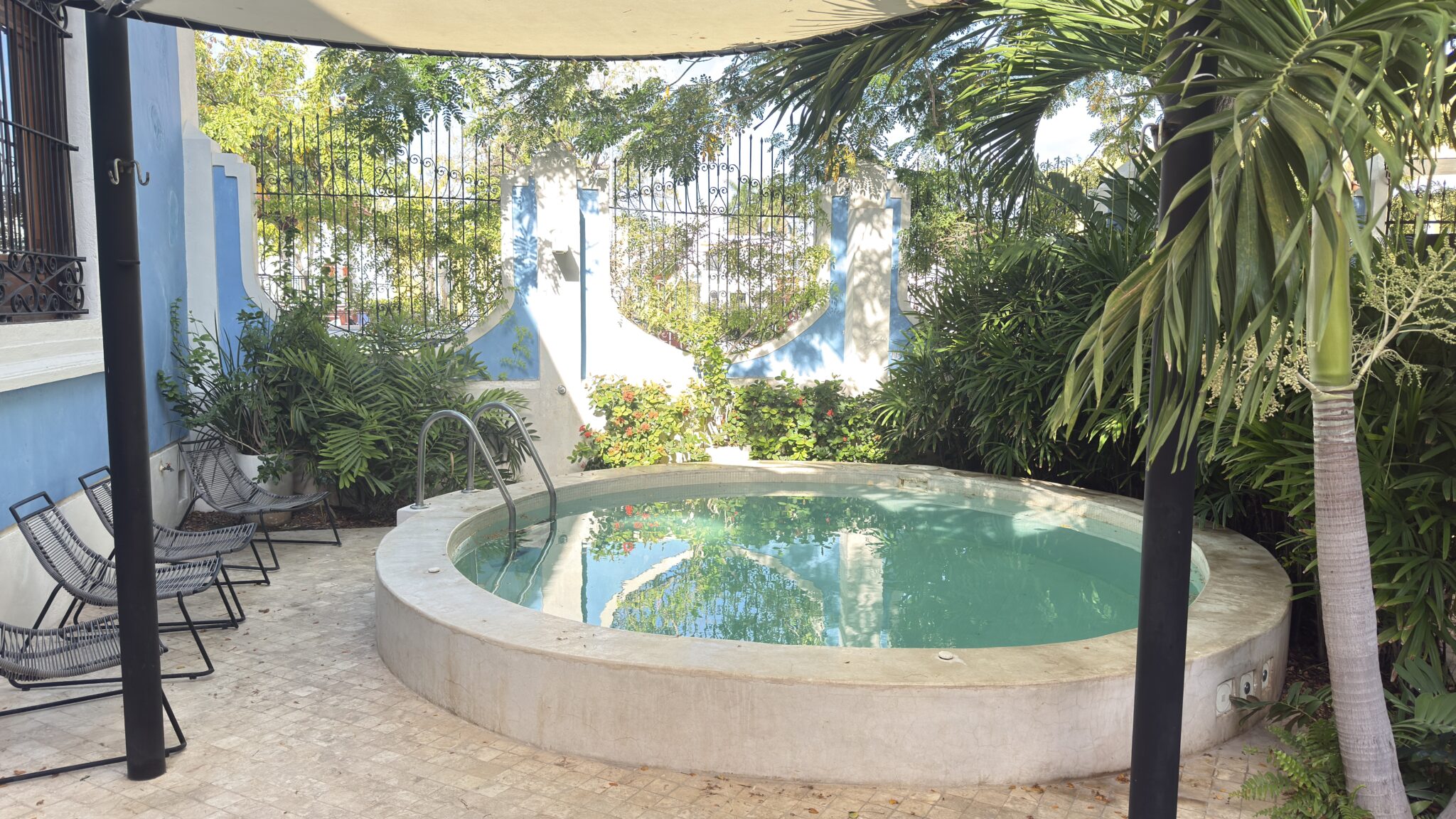
Actually, the hotel ended up being one of the unexpectedly memorable parts of the trip. It had that classic Old Mexico charm—colorful walls, tile floors, wrought-iron railings, little balconies, tropical plants everywhere, and, thankfully, plenty of air conditioning. The rooms were clean, comfortable, and surprisingly spacious. In fact, they were the largest accommodations I’ve ever had on a fishing trip. Each unit came with a kitchen, television, full-size refrigerator, and dual air conditioners. This wasn’t your typical fishing lodge where you’re lucky to have enough room to open your duffel bag without stepping on it.

Jerry and I really lucked out. We were assigned a two-bedroom loft apartment with two full bathrooms, plenty of space to spread out gear, and enough room that we didn’t feel like we were living on top of each other for a week.  The daily housekeeping was exceptional. Every afternoon we’d return from fishing to find everything cleaned, organized, and refreshed. At one point I noticed they had even folded my fishing clothes. That’s a level of service I don’t get at home, and I’m pretty sure Gina would like me to stop mentioning it.

The staff at Lupitas were fantastic and somehow cheerful despite the fact that our entire group stumbled downstairs every morning looking like zombies at 4:00 AM asking for breakfast. Nothing feels quite as surreal as eating eggs, fruit, yogurt and coffee in total silence while six exhausted fly fishermen stare blankly into space trying to mentally prepare themselves for another day of emotional trauma at the hands of tarpon.

The daily schedule was aggressive. Breakfast at 4:00 AM. Leave for the docks at 4:45. Fish from about 5:00 until noon. Apparently the local guides believe sleep is optional and hydration is something weak people discuss.  But honestly, the morning sessions were magical. At first light the lagoons would come alive with rolling tarpon.  Those first thirty minutes at sunrise are the entire reason people travel halfway around the world for these fish. The problem is that tarpon rolling and tarpon eating are two completely different things.   I so wanted Jerry to experience the rush of  landing a tarpon during the Magic Hour that I was willing to give up my shots so he  could get one.   But after a week of fishing,  it never happened,   But he was able to jump a few.

As for the others.  This trip had a stacked lineup. Benson and Victor had just returned from the Bahamas and were in full tarpon assassin mode. Wayne and Mathew are both phenomenal saltwater fly fishermen. Jerry, meanwhile, had never landed a tarpon on a fly rod, so the mission for the week was simple: get Jerry connected to a big silver fish on a fly before the week ended.   The fishing days usually ran from about 5:00 AM until noon, but the real show was always daybreak. Rolling tarpon in low light. Nervous water. Exploding bait. Pure chaos. After the morning bite, the guides would push deep into mangrove tunnels where outgoing tides flushed baitfish from hidden lagoons.

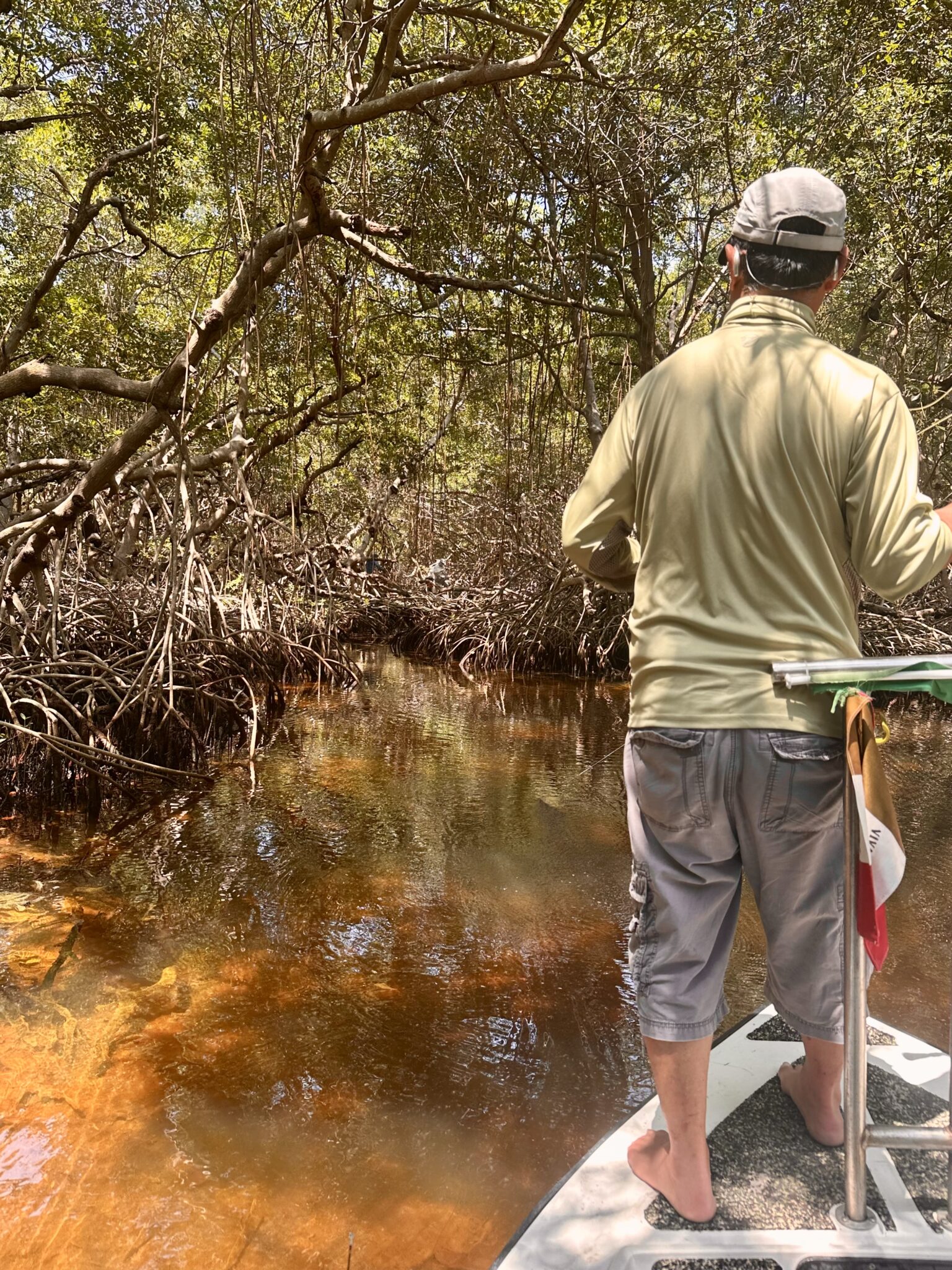
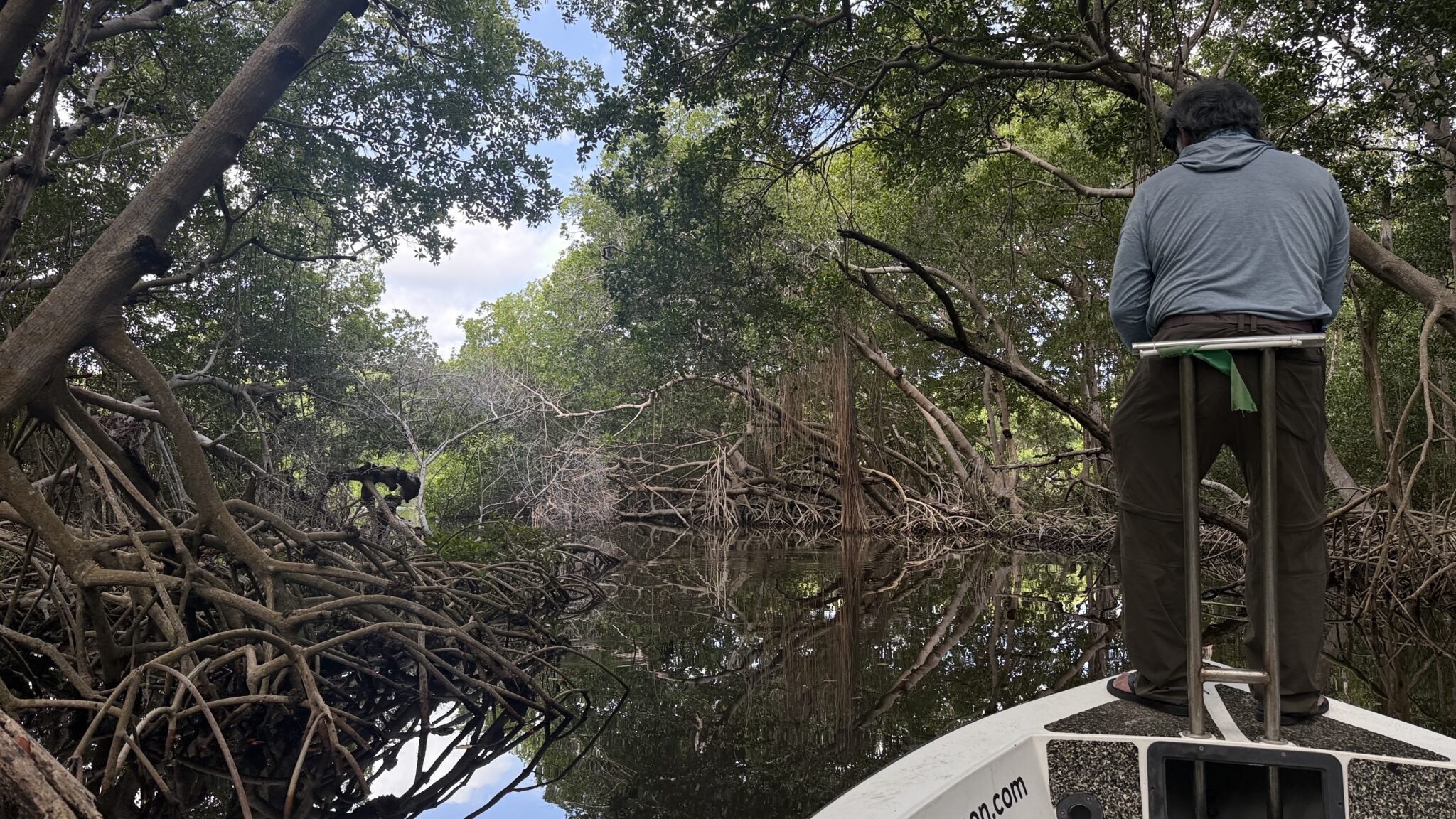
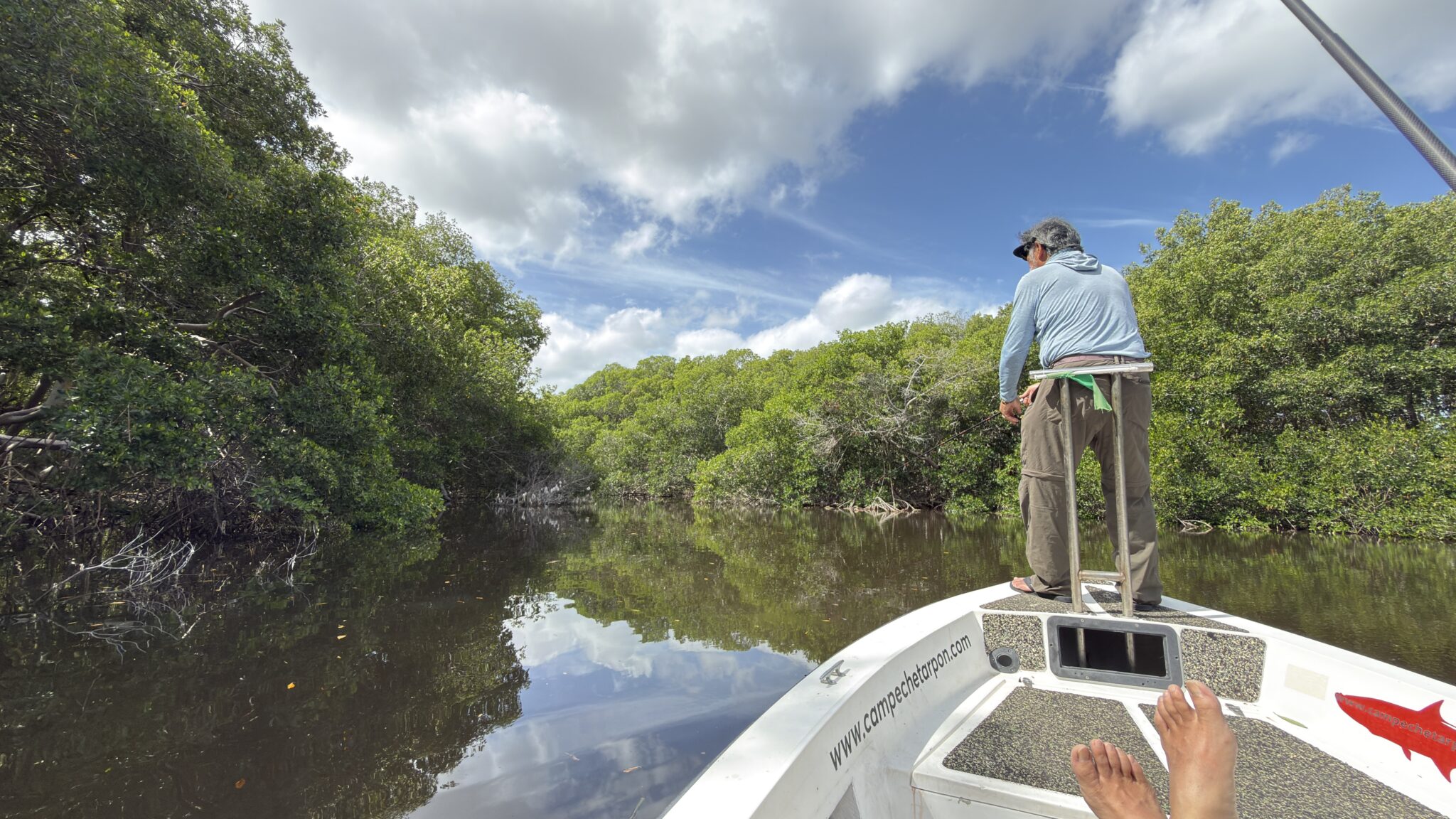
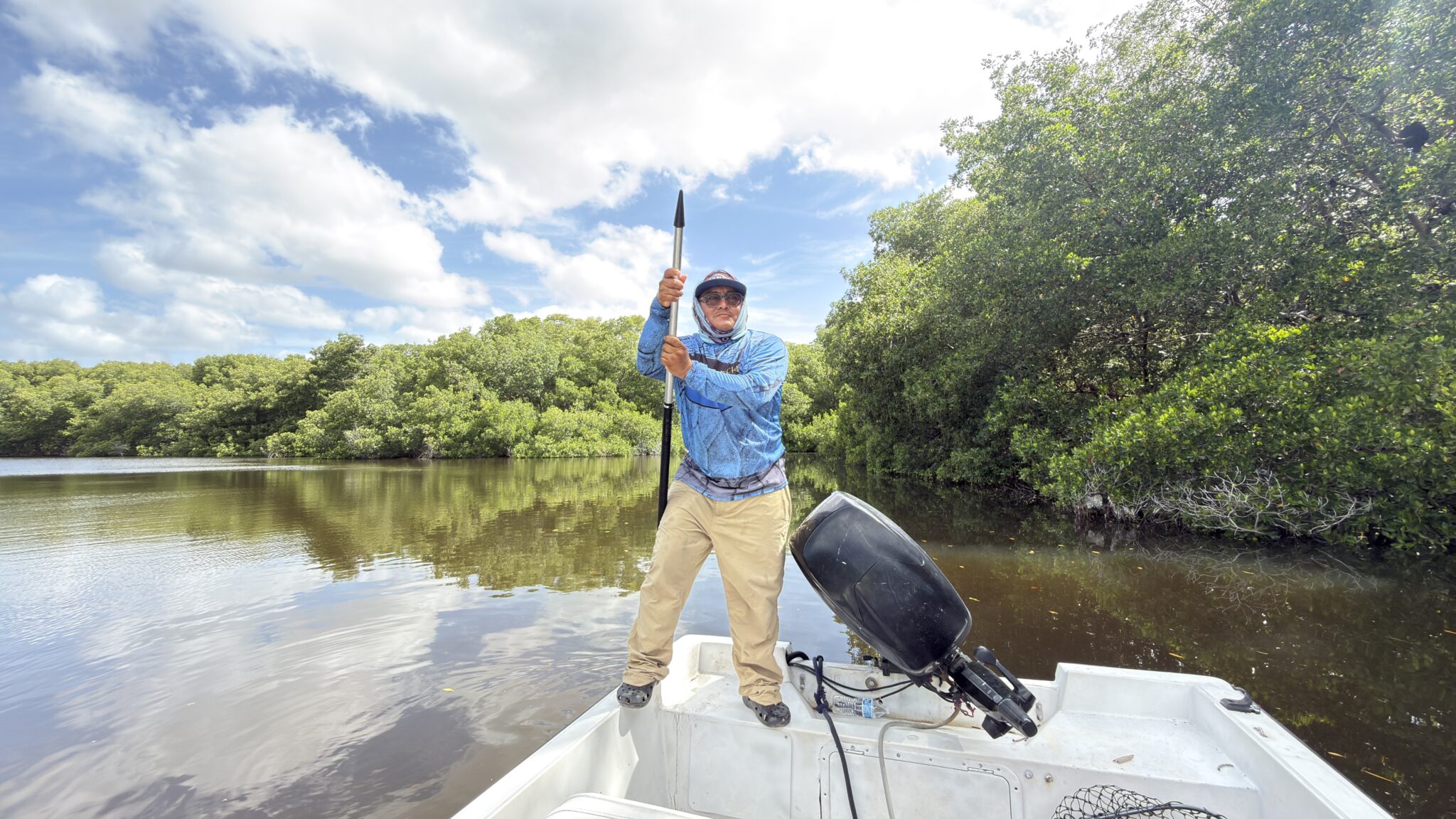
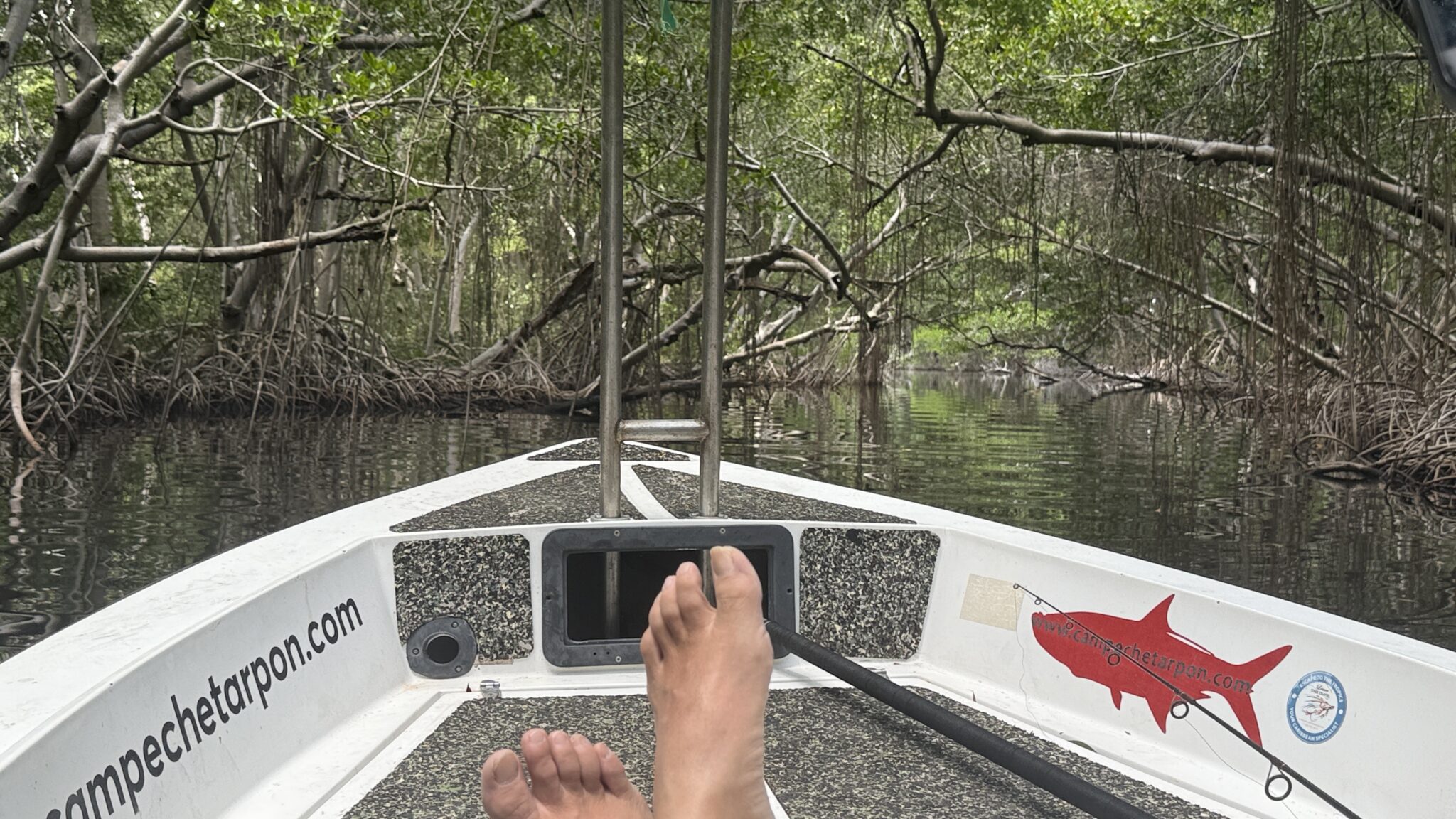
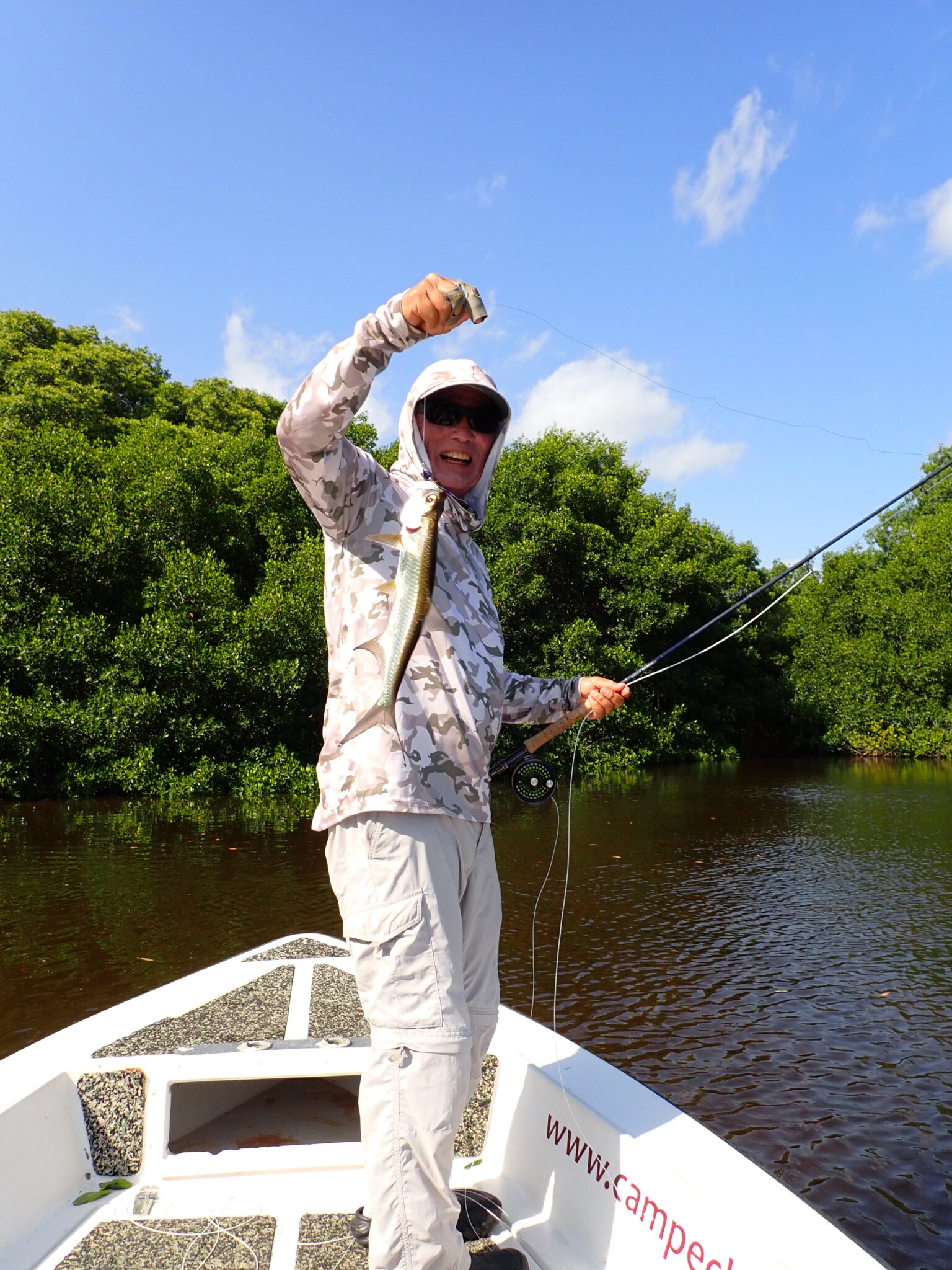
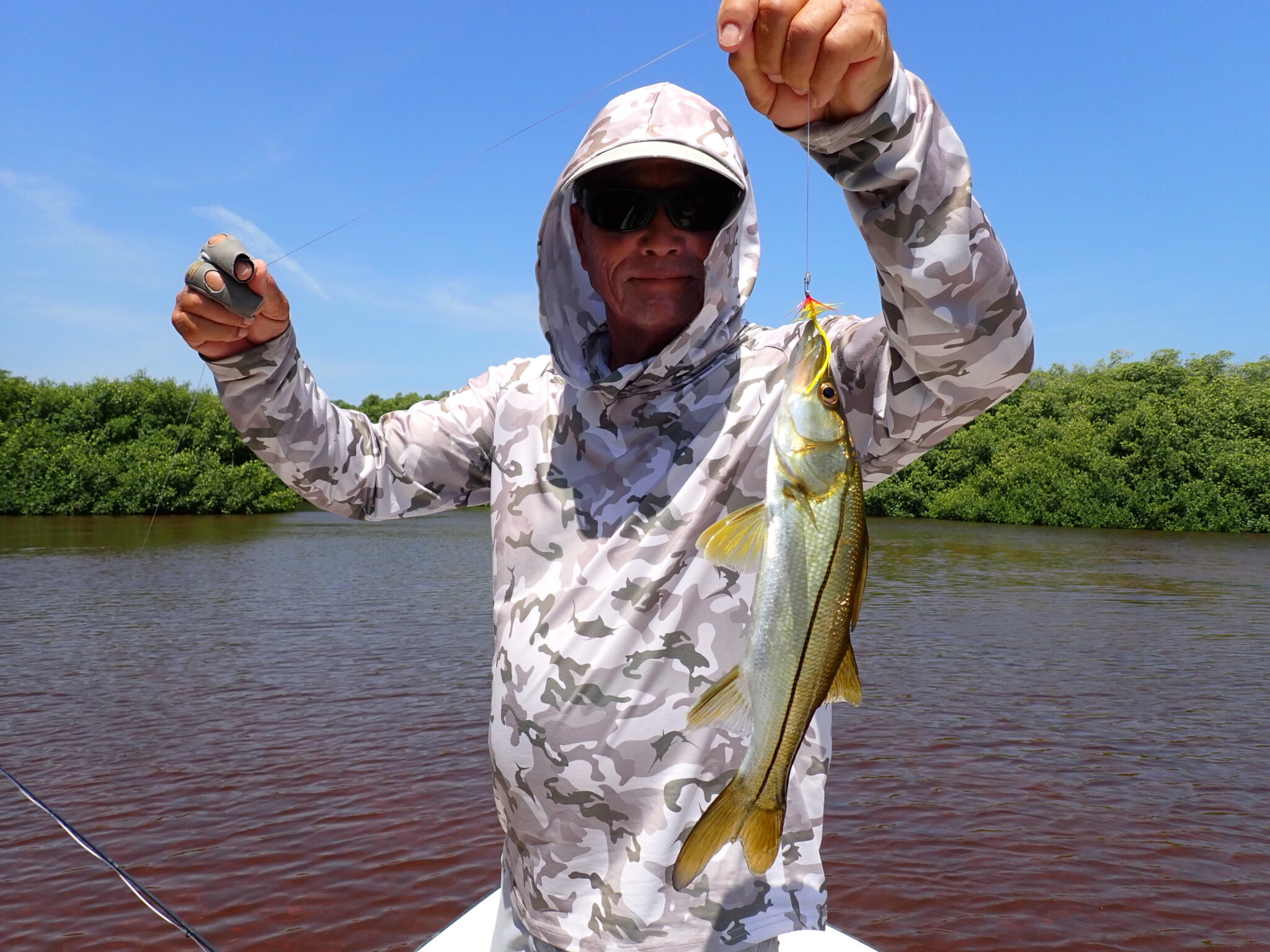
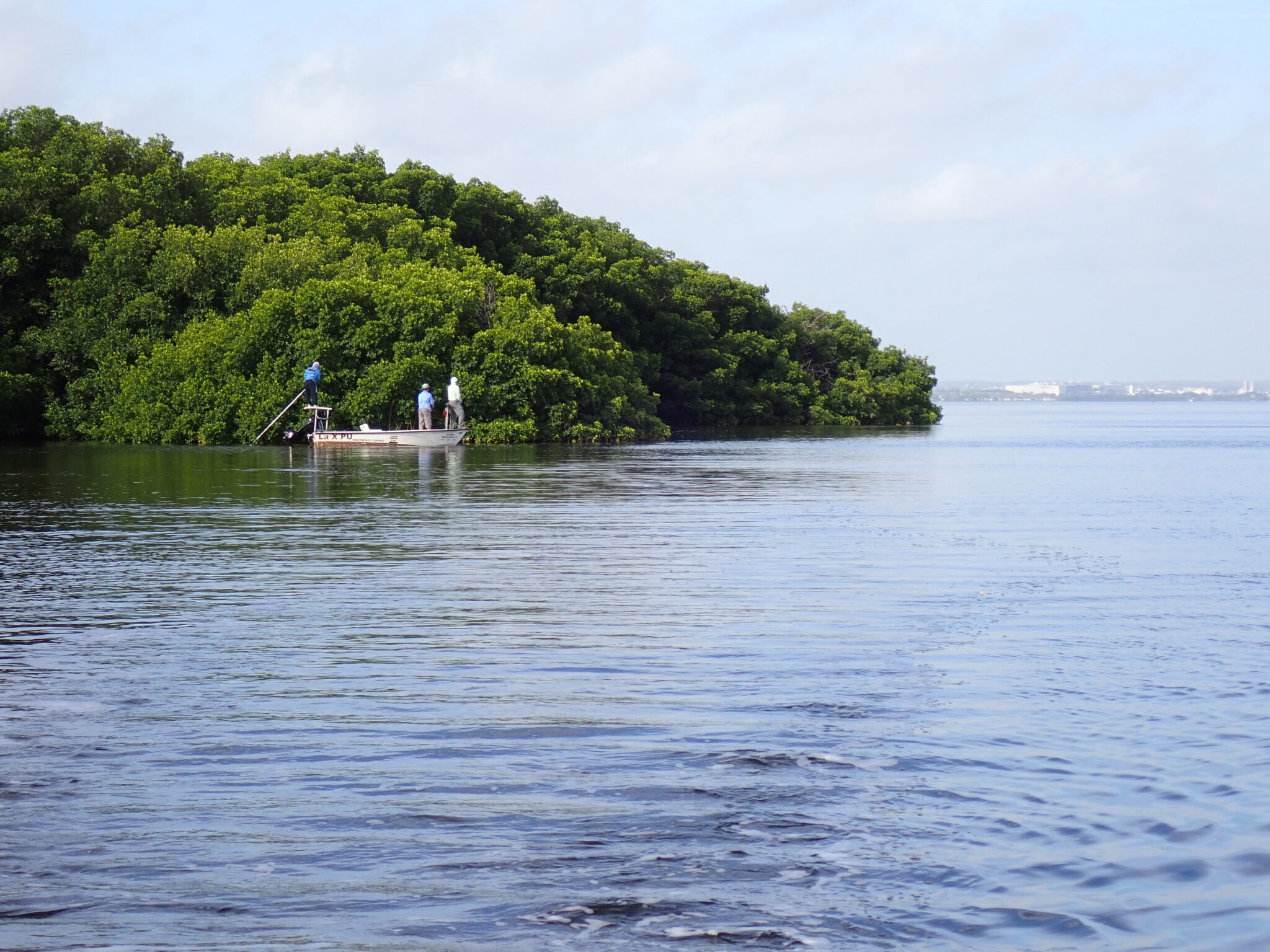
Some of those mangrove tunnels looked like they belonged in an Indiana Jones adventure. You’d slip through a narrow opening in the trees and suddenly emerge into a giant hidden lagoon where tarpon rolled across the surface in every direction. It felt like discovering a secret world. For a fly fisherman, it was probably the closest thing to finding the gates of Jurassic Park.  Fortunately, we had spinning gear along as a backup plan. Jerry made excellent use of it, regularly fooling tarpon by casting soft plastics to rolling fish deep inside the mangroves. Most days he managed to put a few fish in the air.

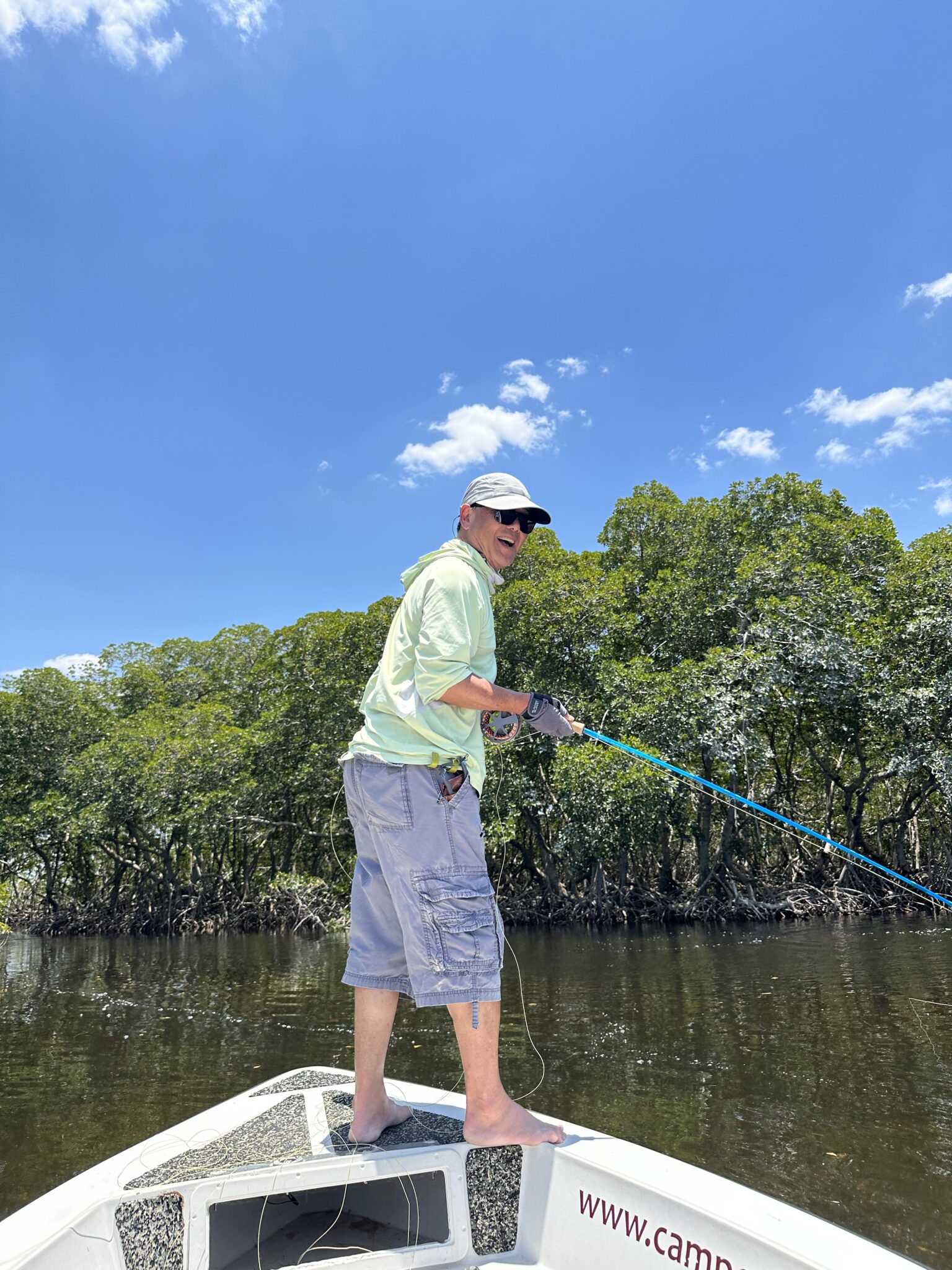
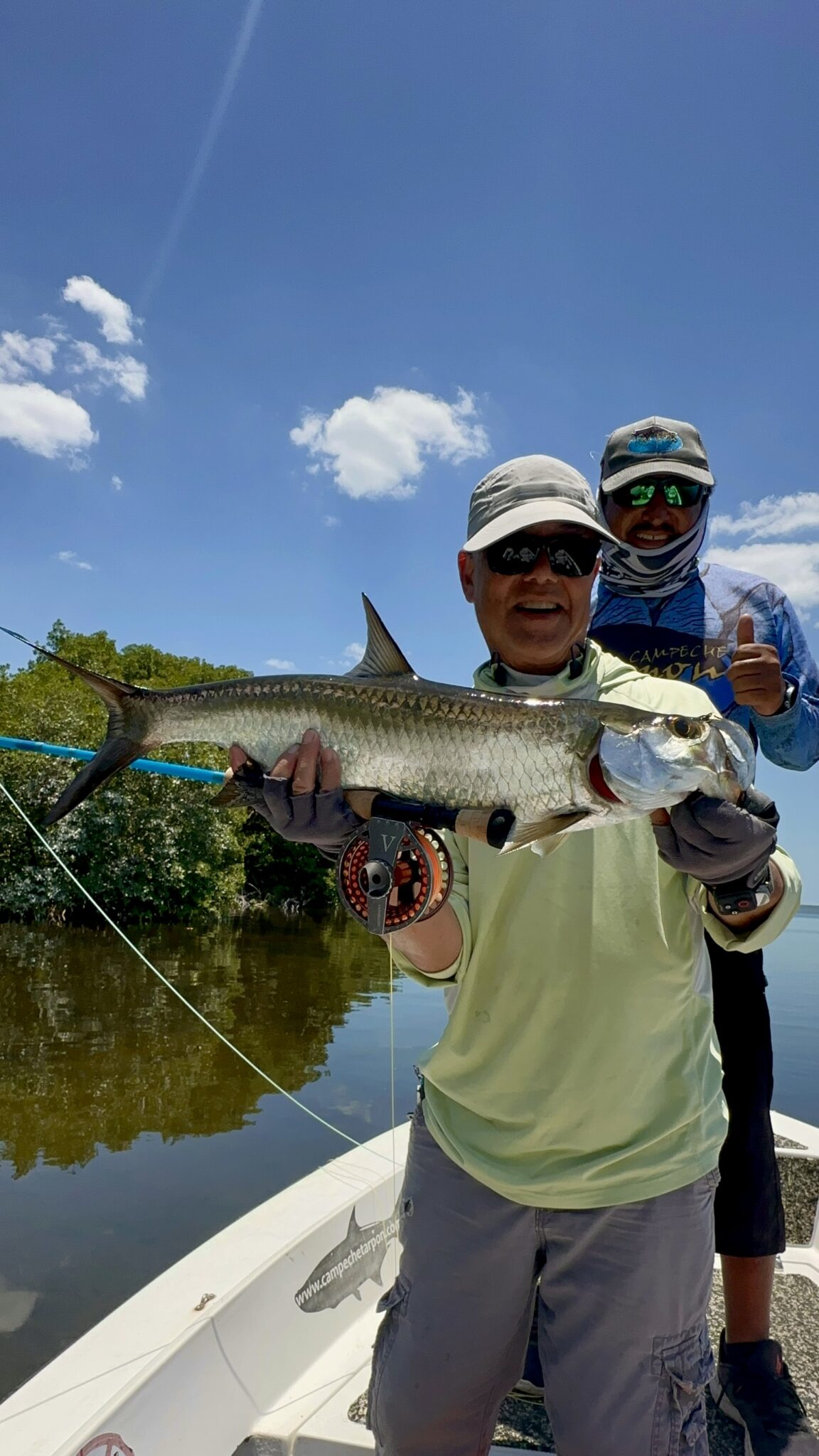
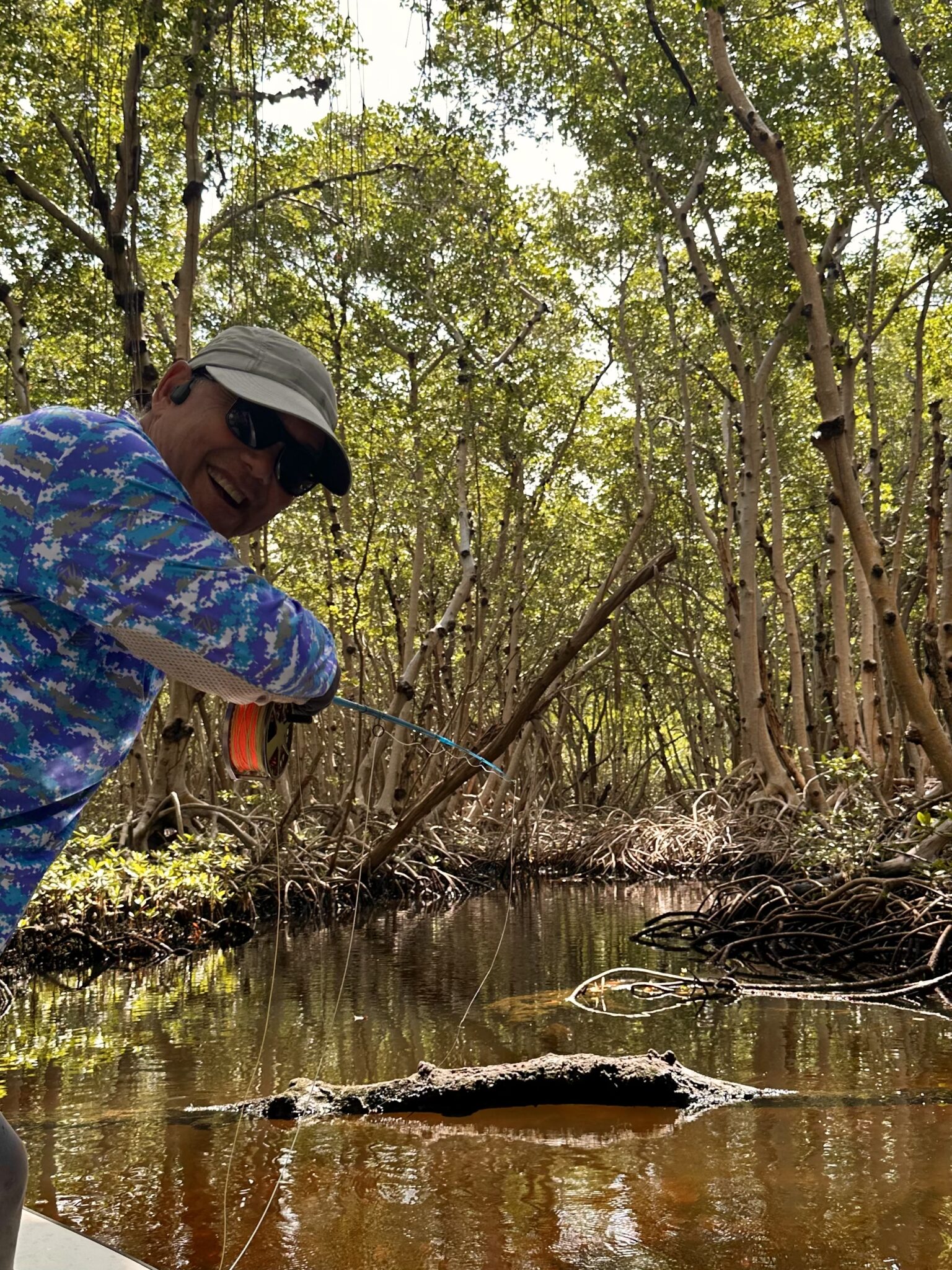
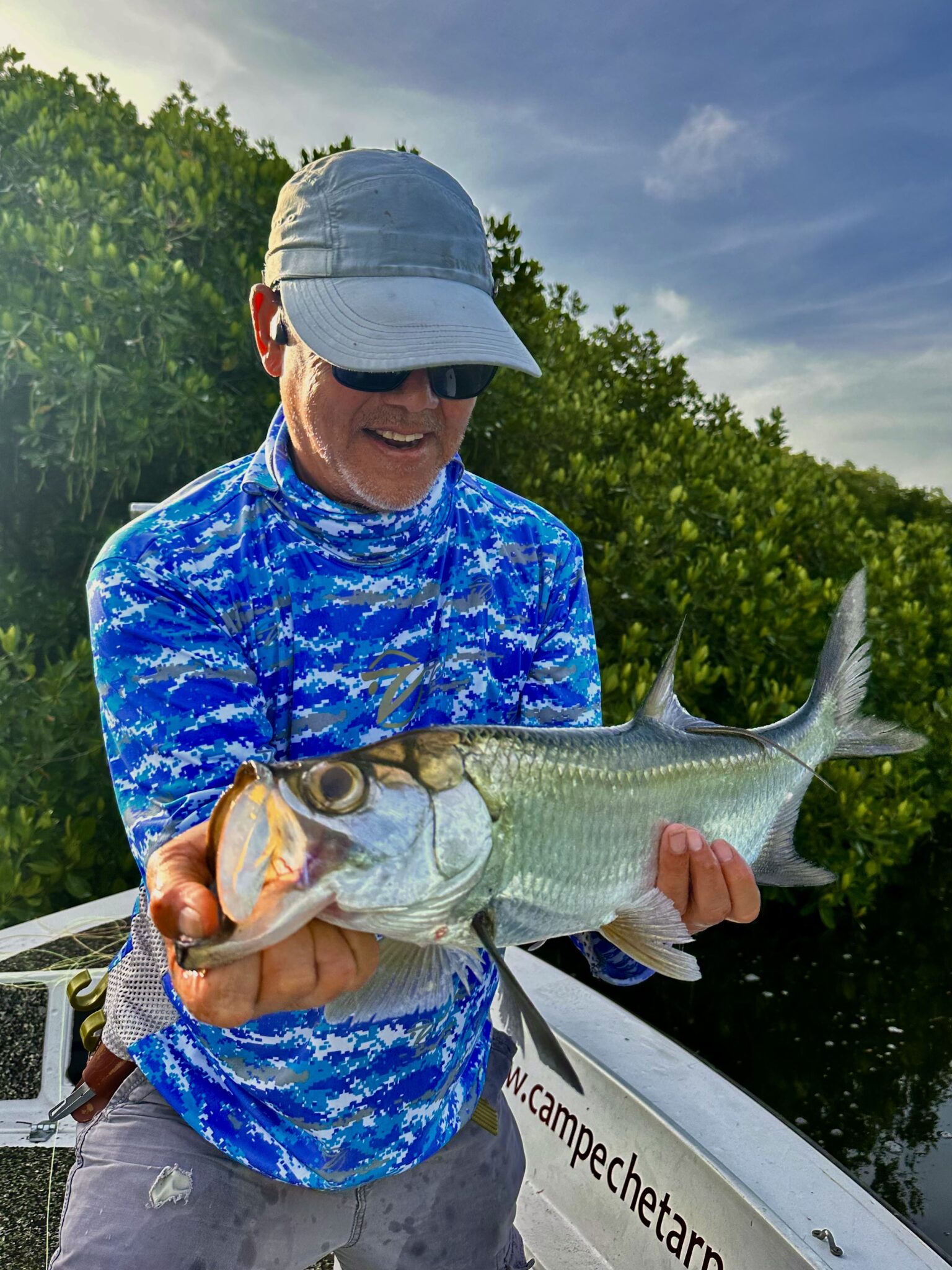
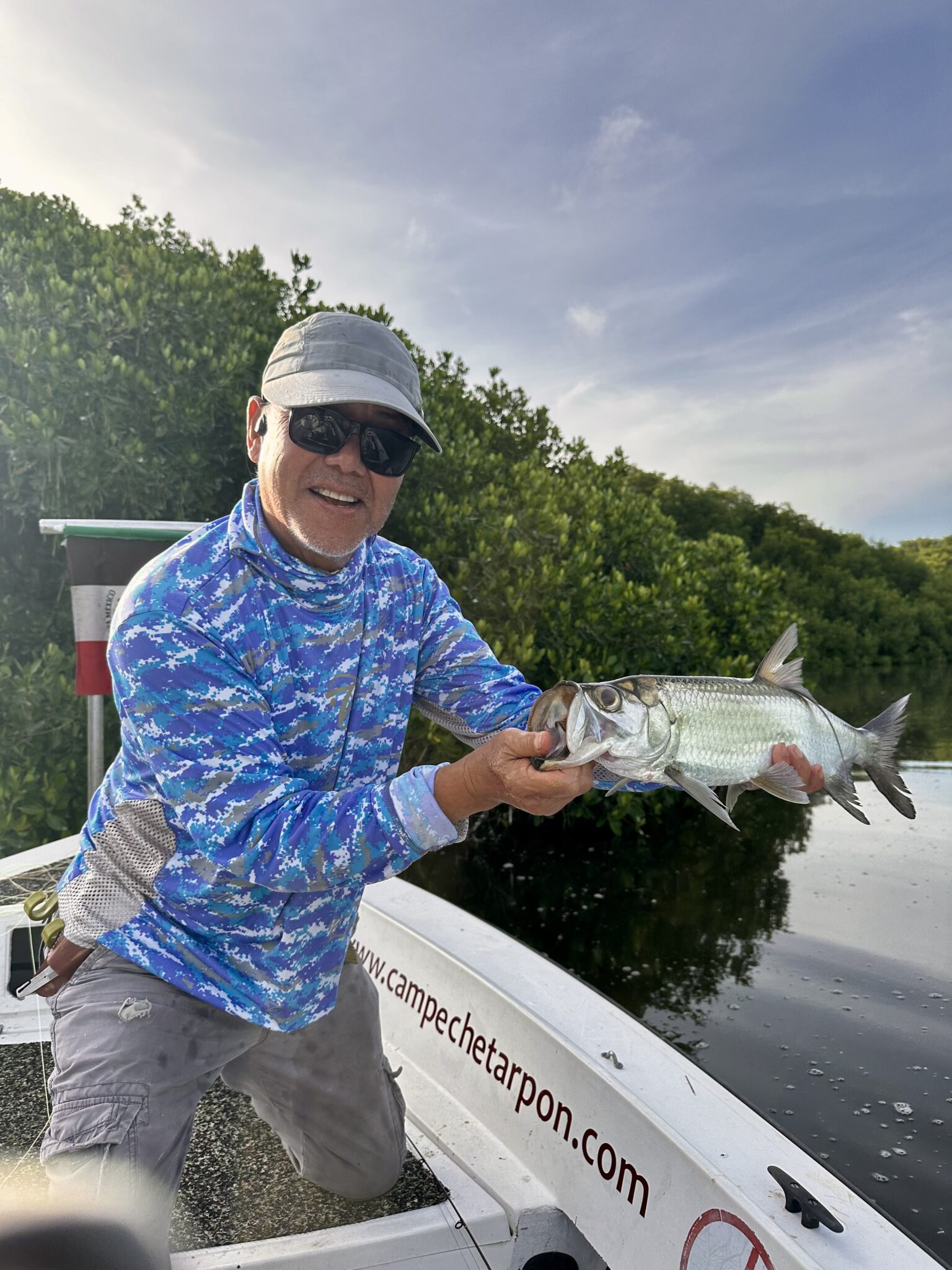
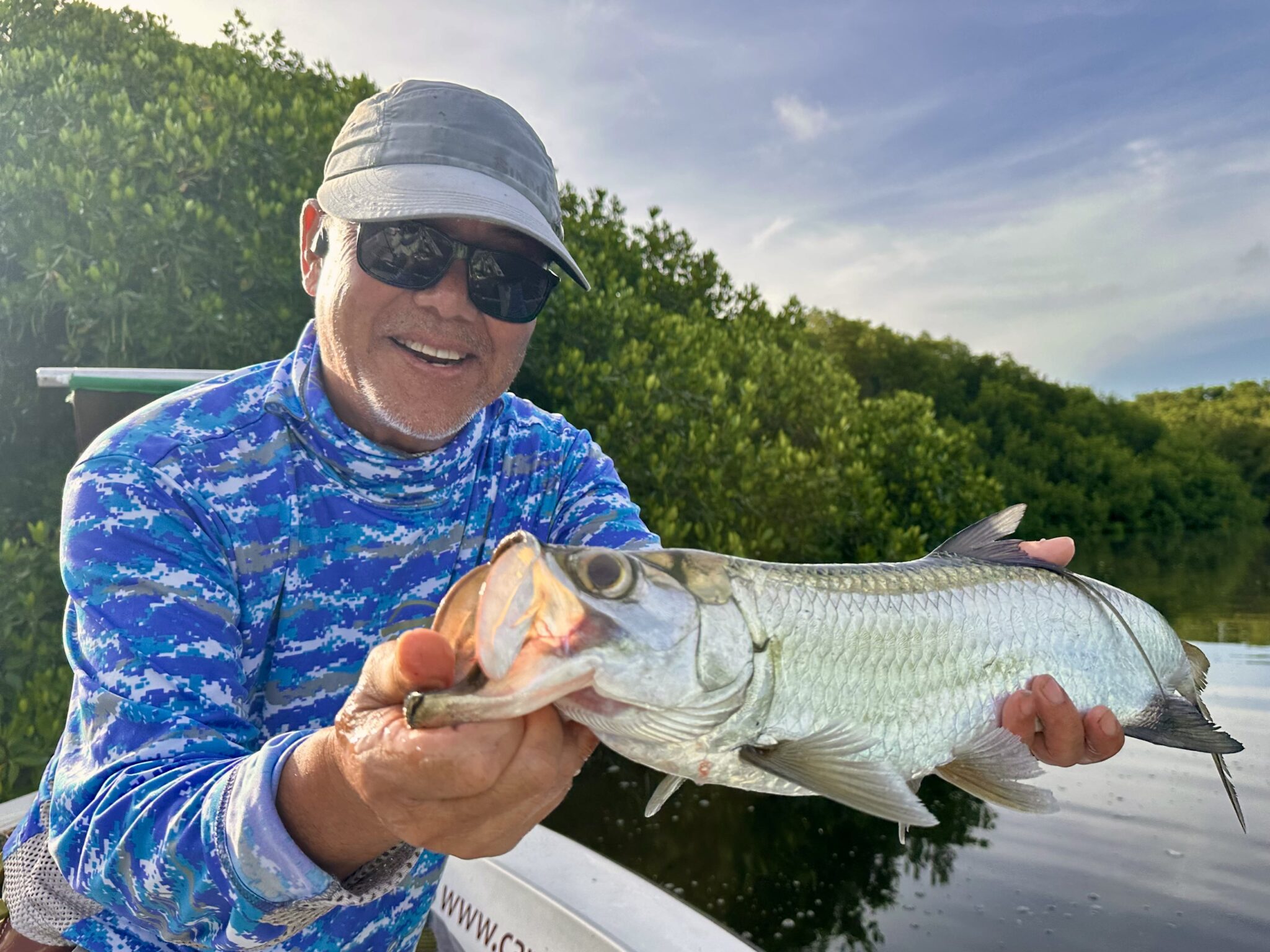
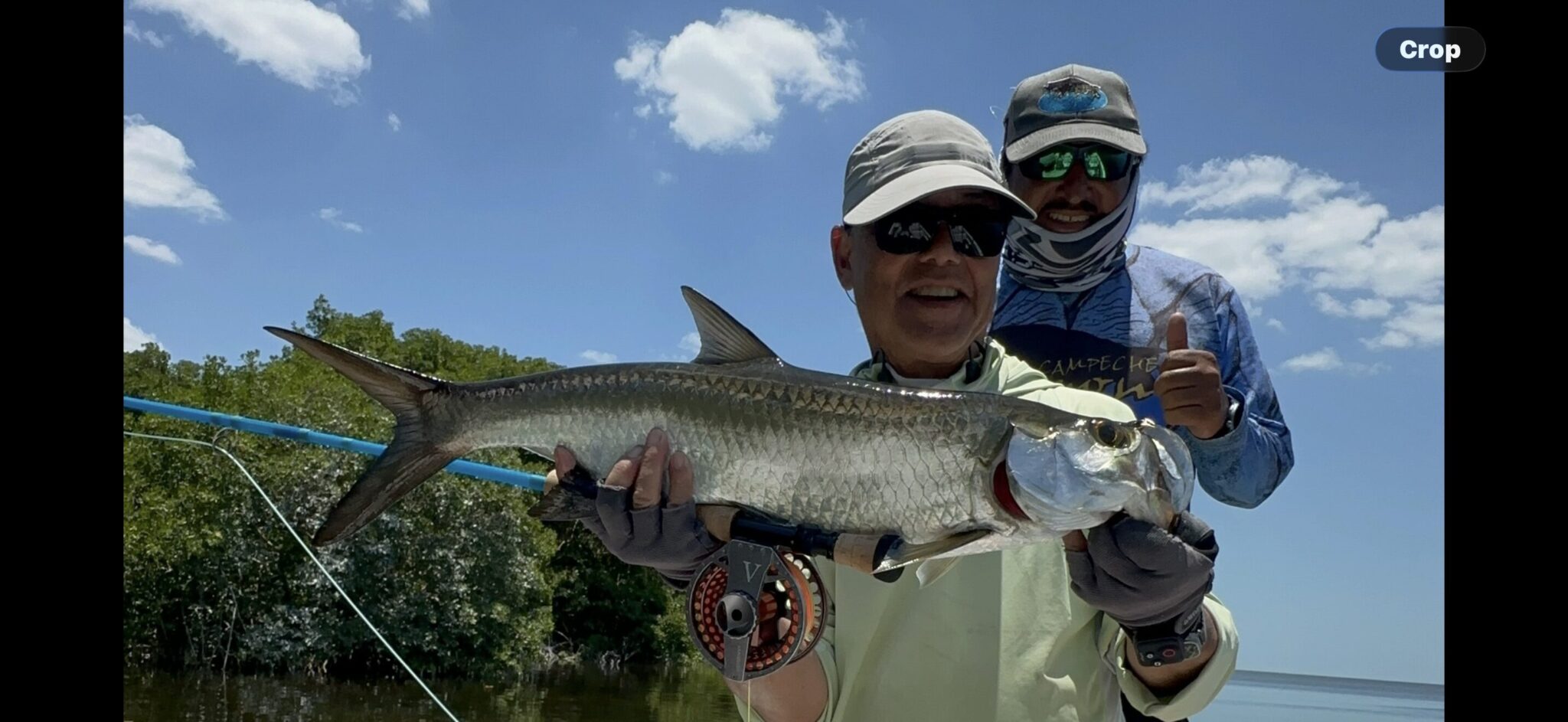
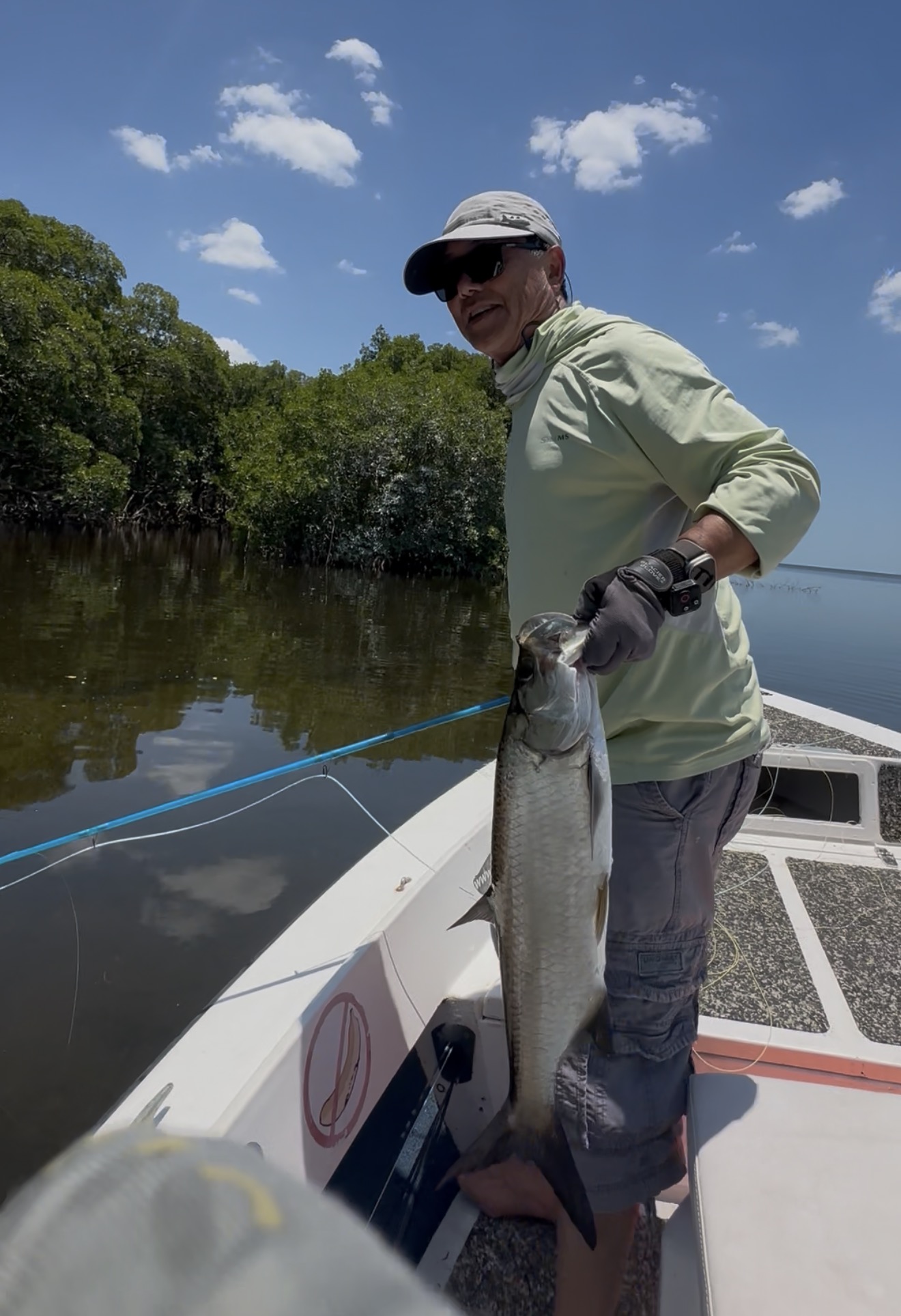
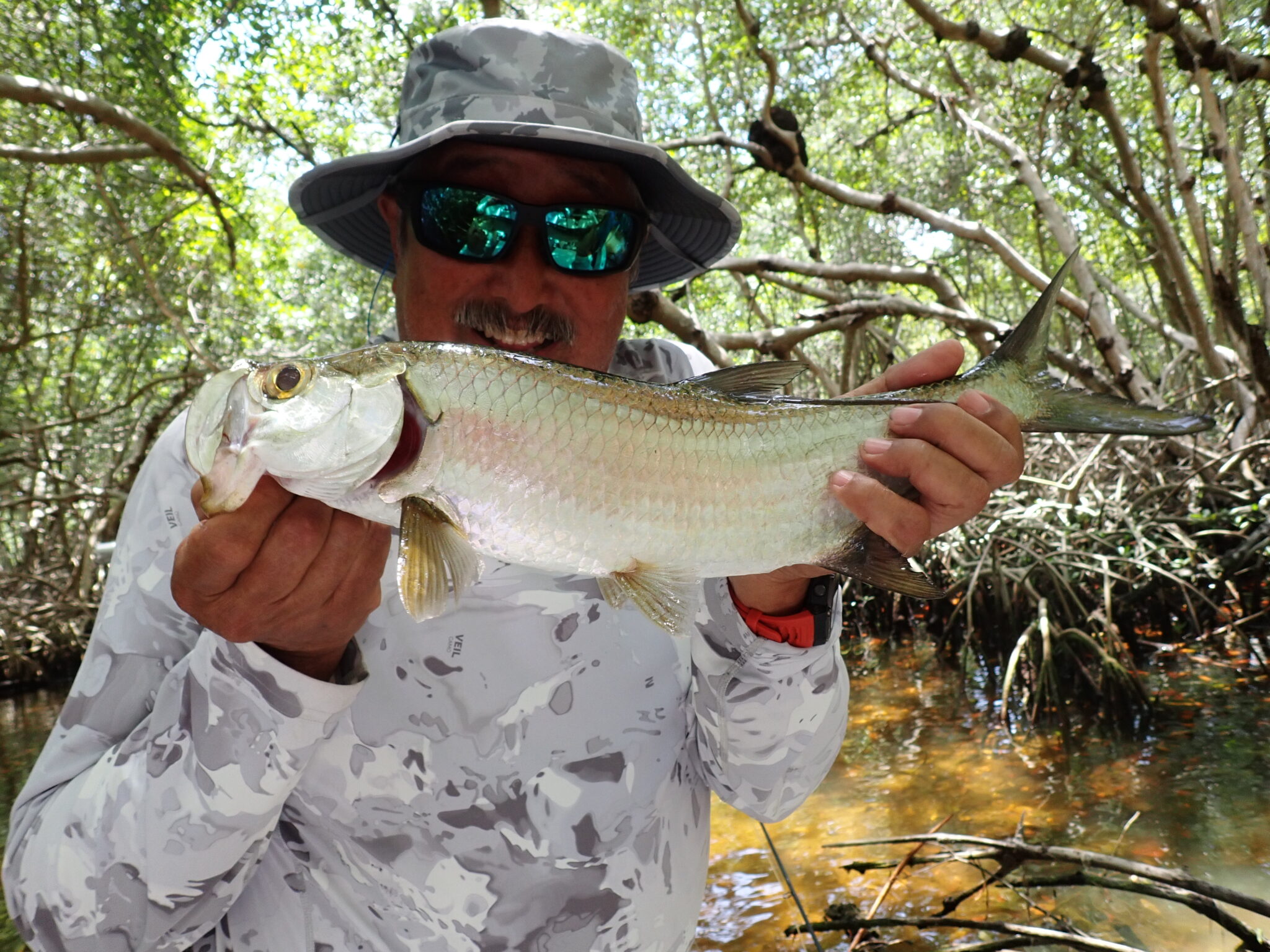
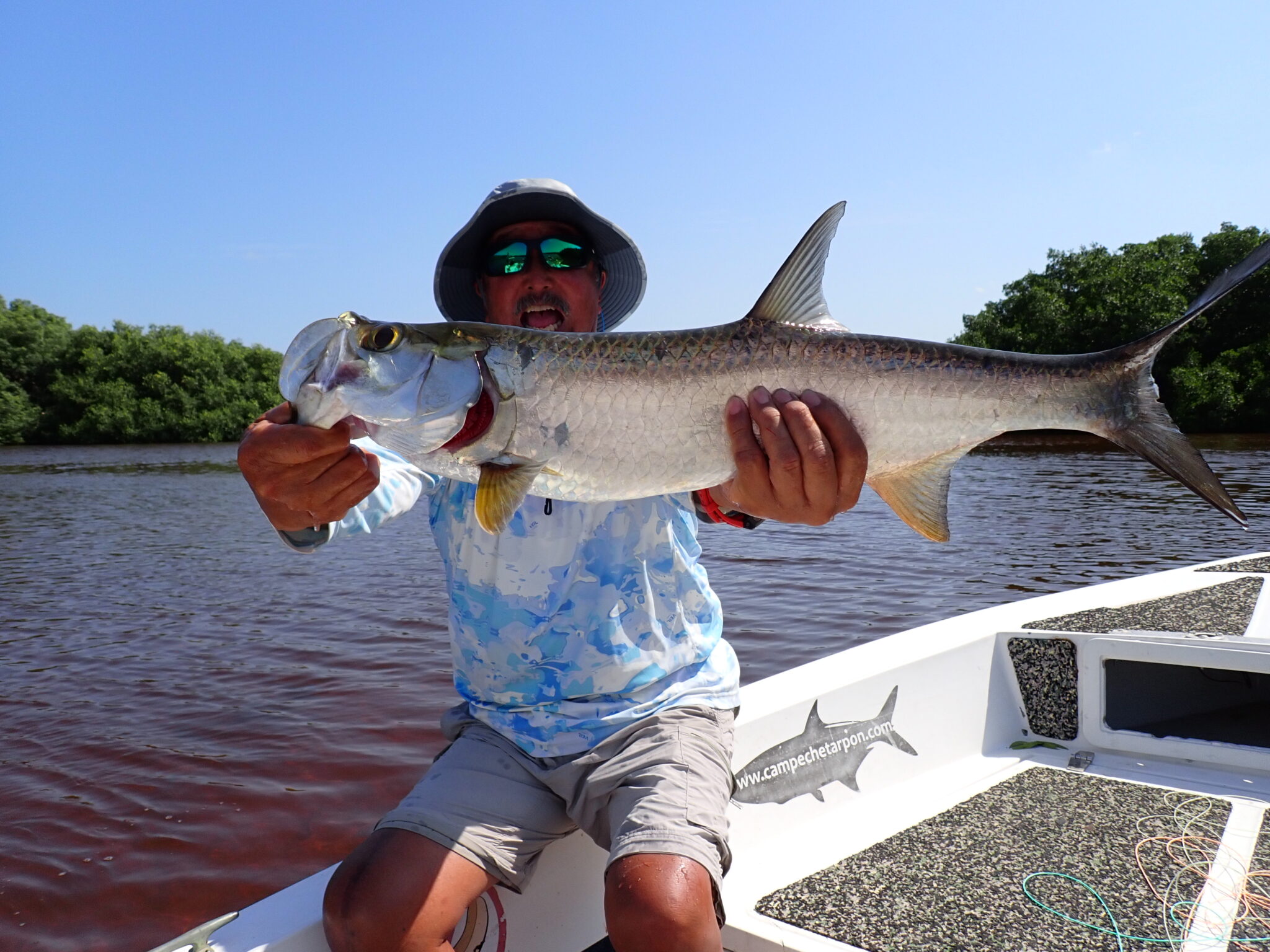
Fly fishing, however, was a different story.  The mangroves around Campeche were thick, unforgiving, and seemingly designed by nature to punish fly casters. Even a simple roll cast could become a high-risk maneuver. Every backcast threatened to decorate a tree branch, and every hooked fish seemed determined to wrap itself around the nearest woodpile. Despite the challenges, I managed to scratch out a few tarpon on flies by targeting fish tucked into the structure.

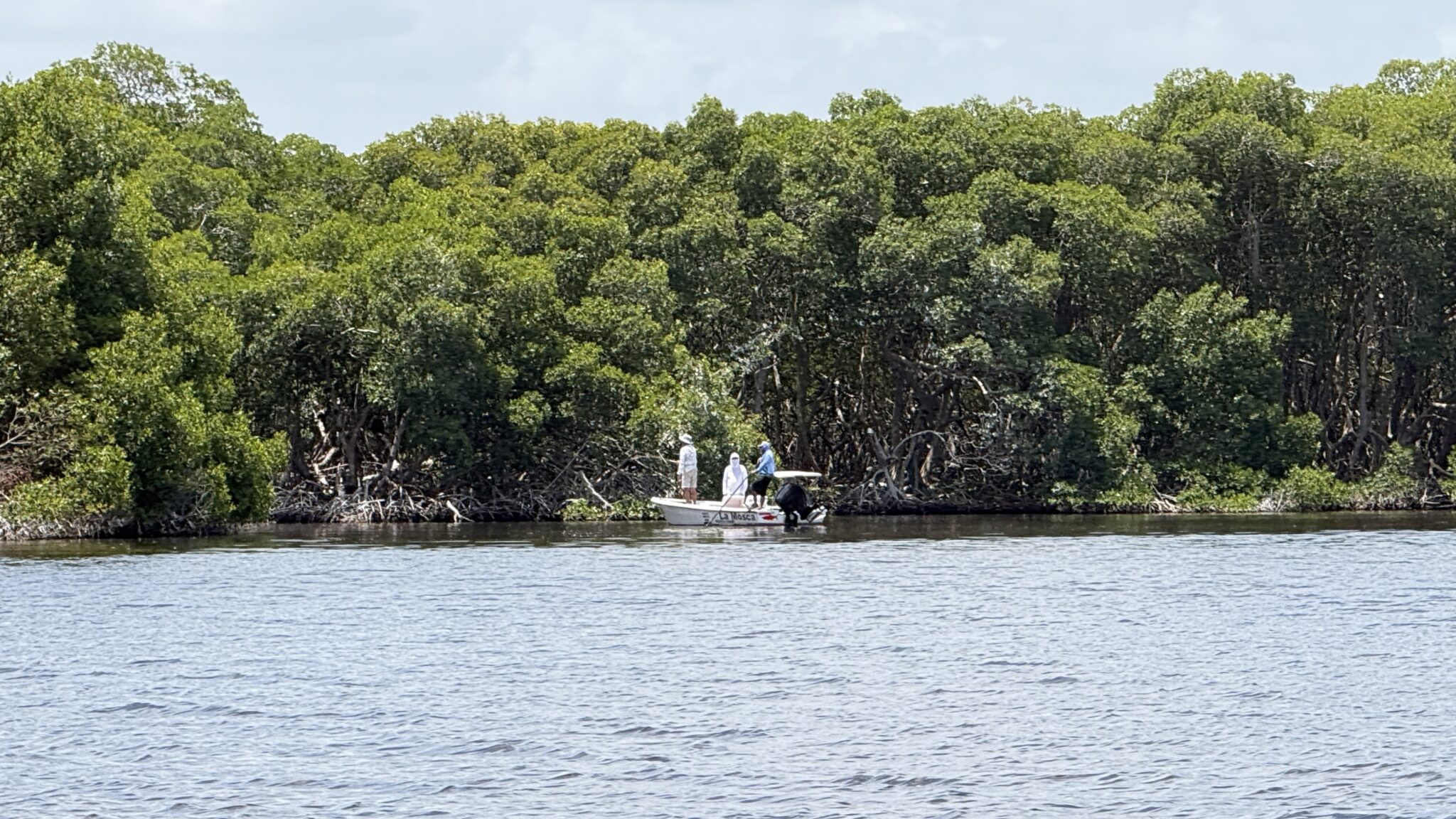
The fishing itself varied wildly from day to day. Some boats reported a dozen to twenty hookups, while other days produced only a handful of legitimate shots. Unlike Rio Lagartos, where fish often roll offshore or tail across open grass flats during low tide, most of the action in Campeche took place deep inside the mangroves. The opportunities were close, fast, and often over before you fully processed what had happened.

Everyone in our group except Jerry had considerable tarpon experience, and the consensus was unanimous: the fishing was unusually slow. Then again, tarpon fishing has always had a way of reminding anglers that expectations and reality are often distant relatives.  Still, there were plenty of memorable moments and a few highlights that made the trip worthwhile.  Benson and Victor landed three doubles during the trip, which is basically synchronized tarpon combat. Sometimes hooked tarpon attract other tarpon, almost like stripers following hooked fish. If you have two elite anglers in the boat who can stay calm during total pandemonium, double hookups can happen.

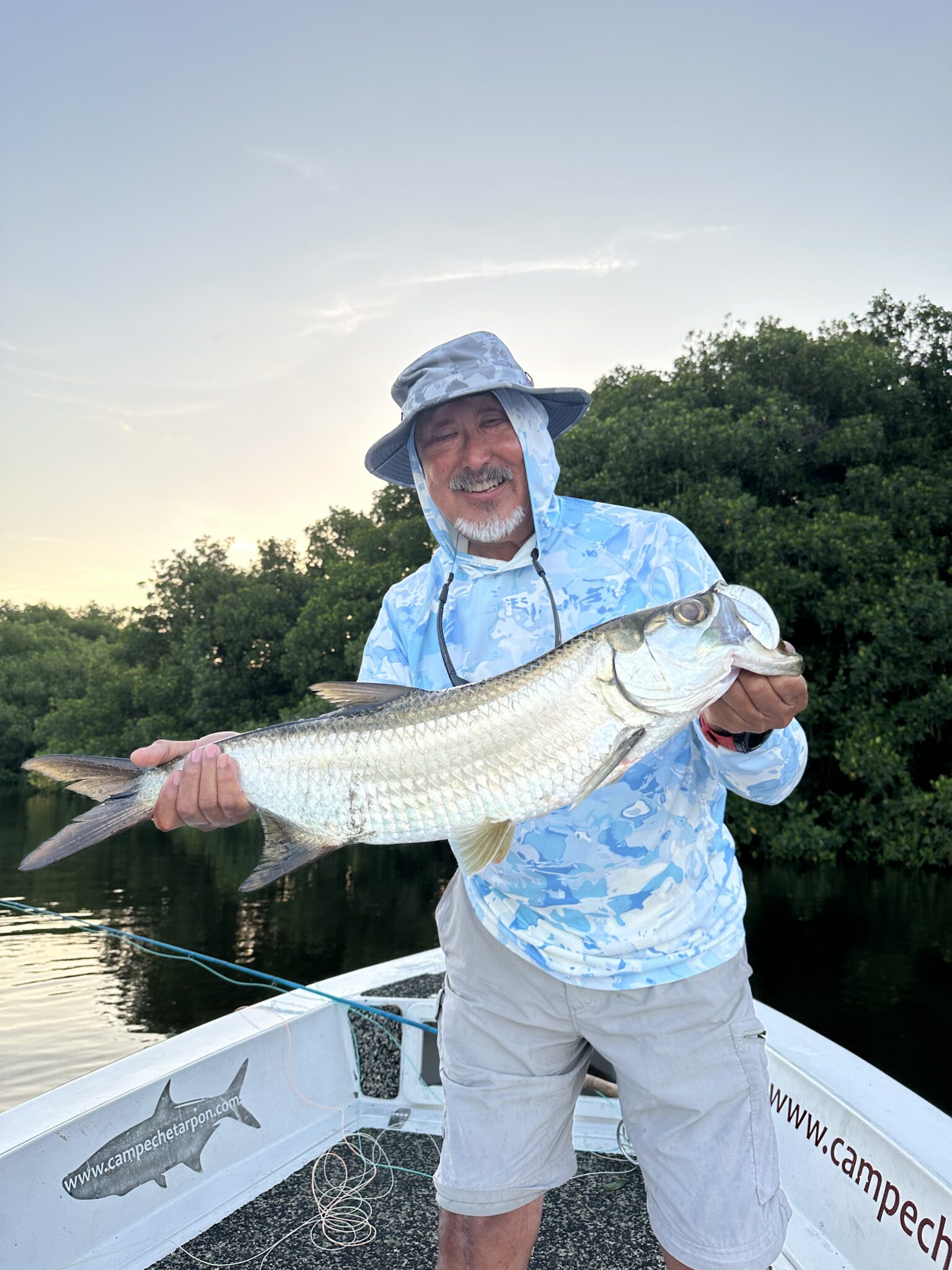
Wayne landed the biggest fish of the trip, with Mathew not far behind.  I watched Mathew casting and it’s been fun watching him evolve into a truly excellent fly fisherman over the years.   Jerry and I, despite the slow fishing, always enjoy fishing together. Some trips are measured in fish counts. Others are measured in stories, disasters, missed opportunities, and laughing at each other while getting humbled by nature. We’ll be together again on the Sapsuk in a couple months, assuming tarpon haven’t completely broken our spirits by then.

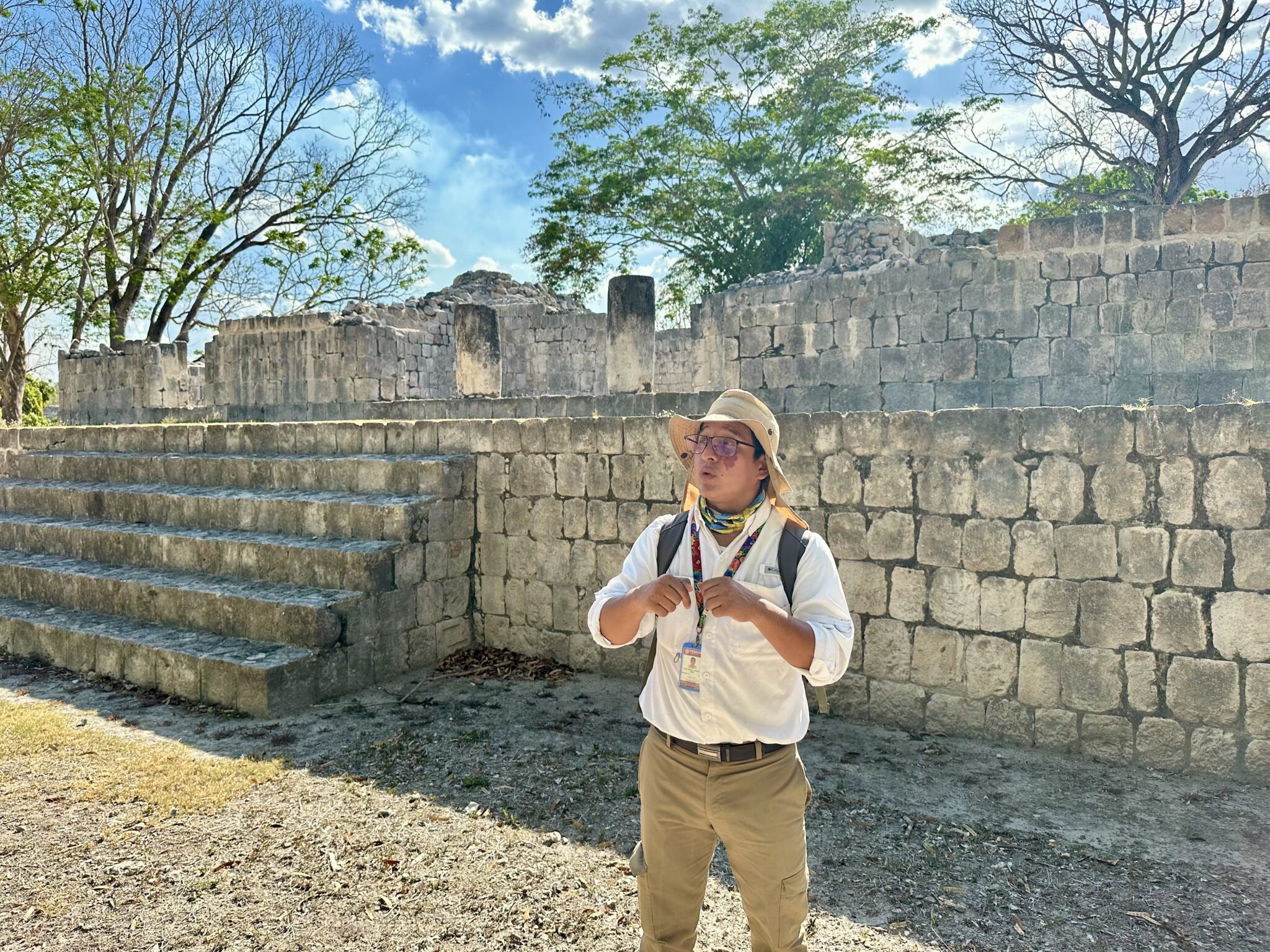
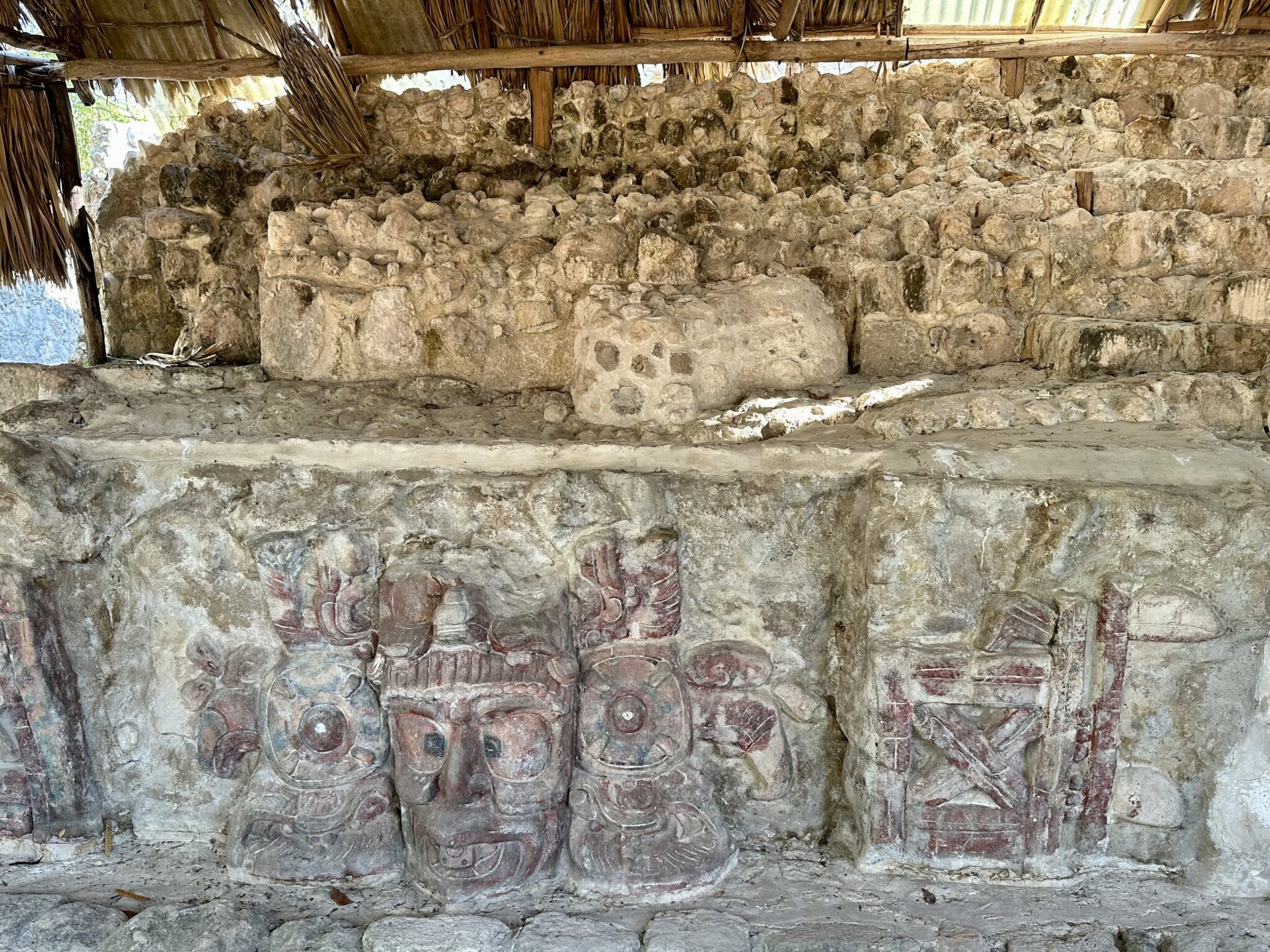
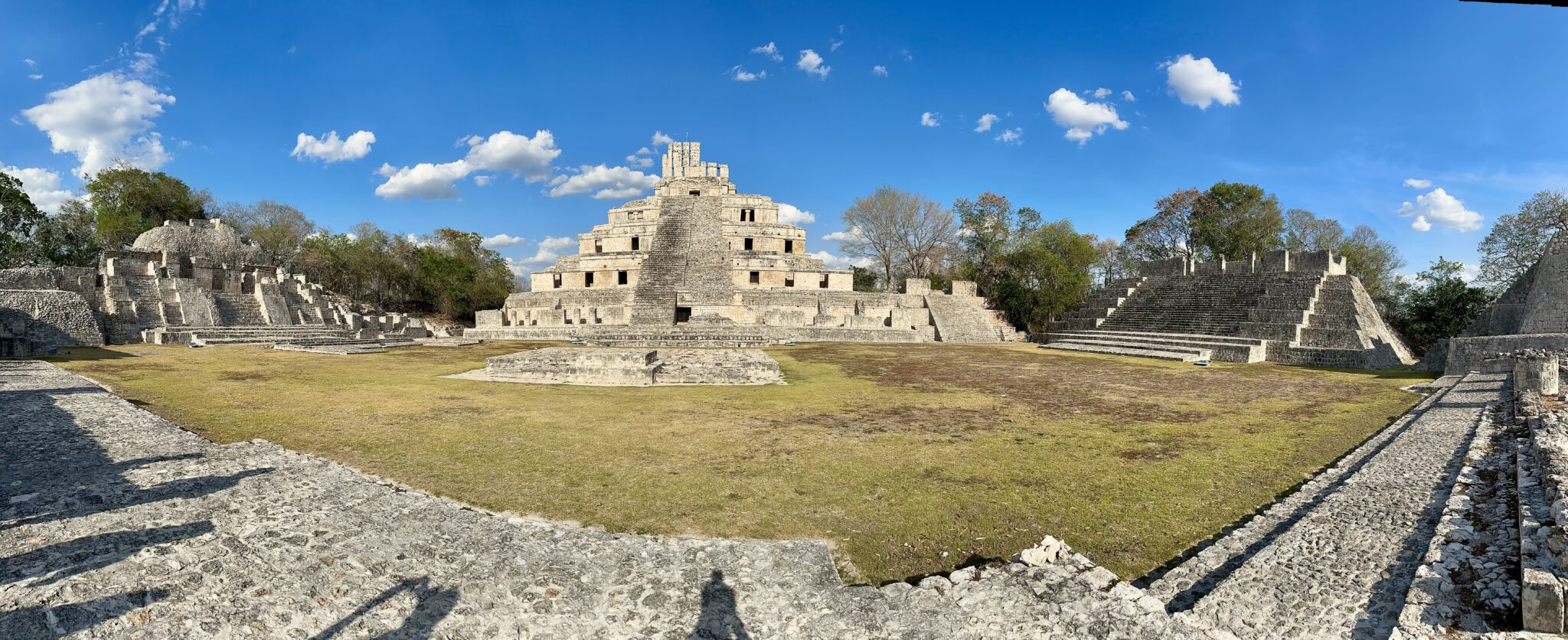
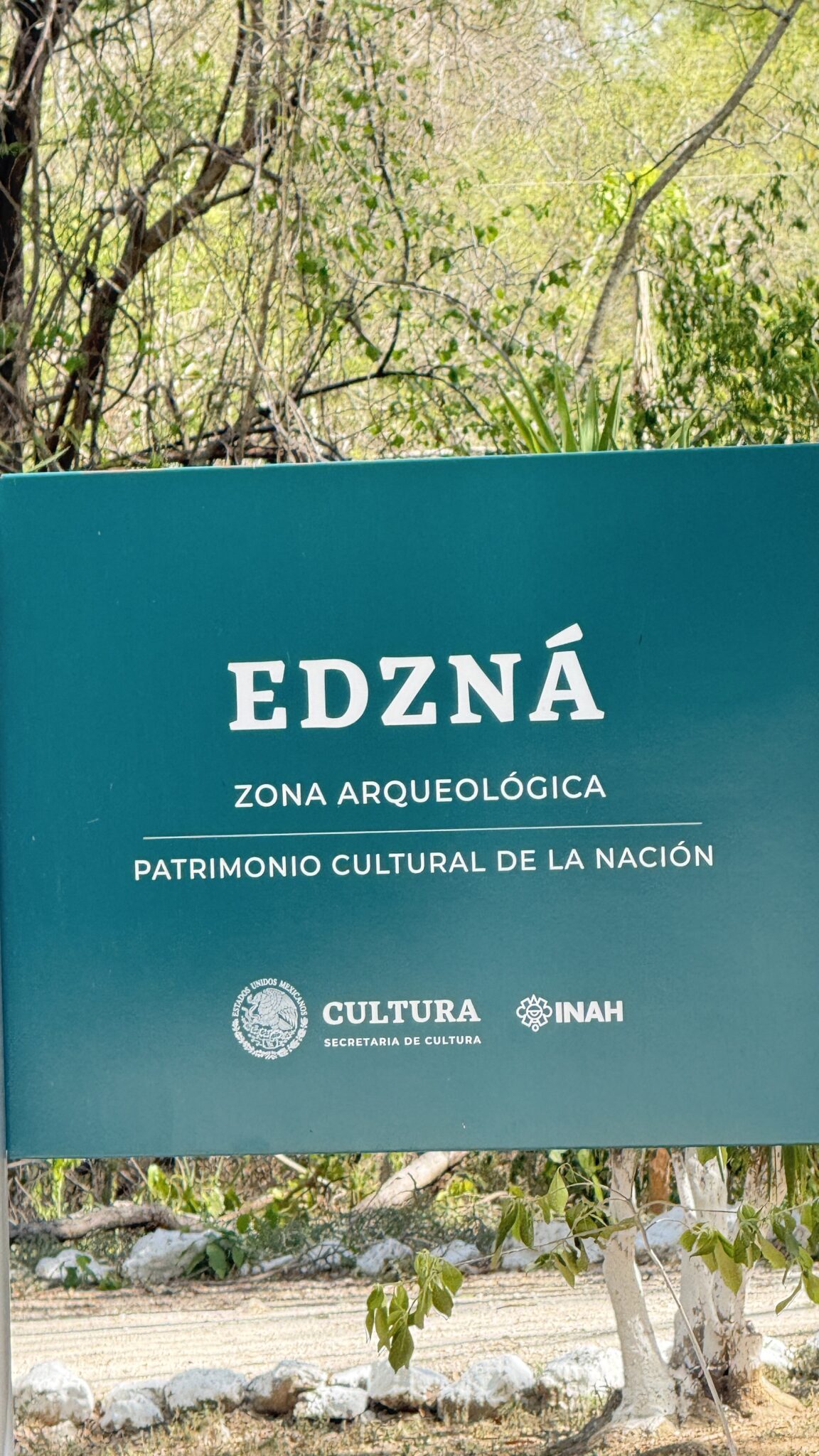
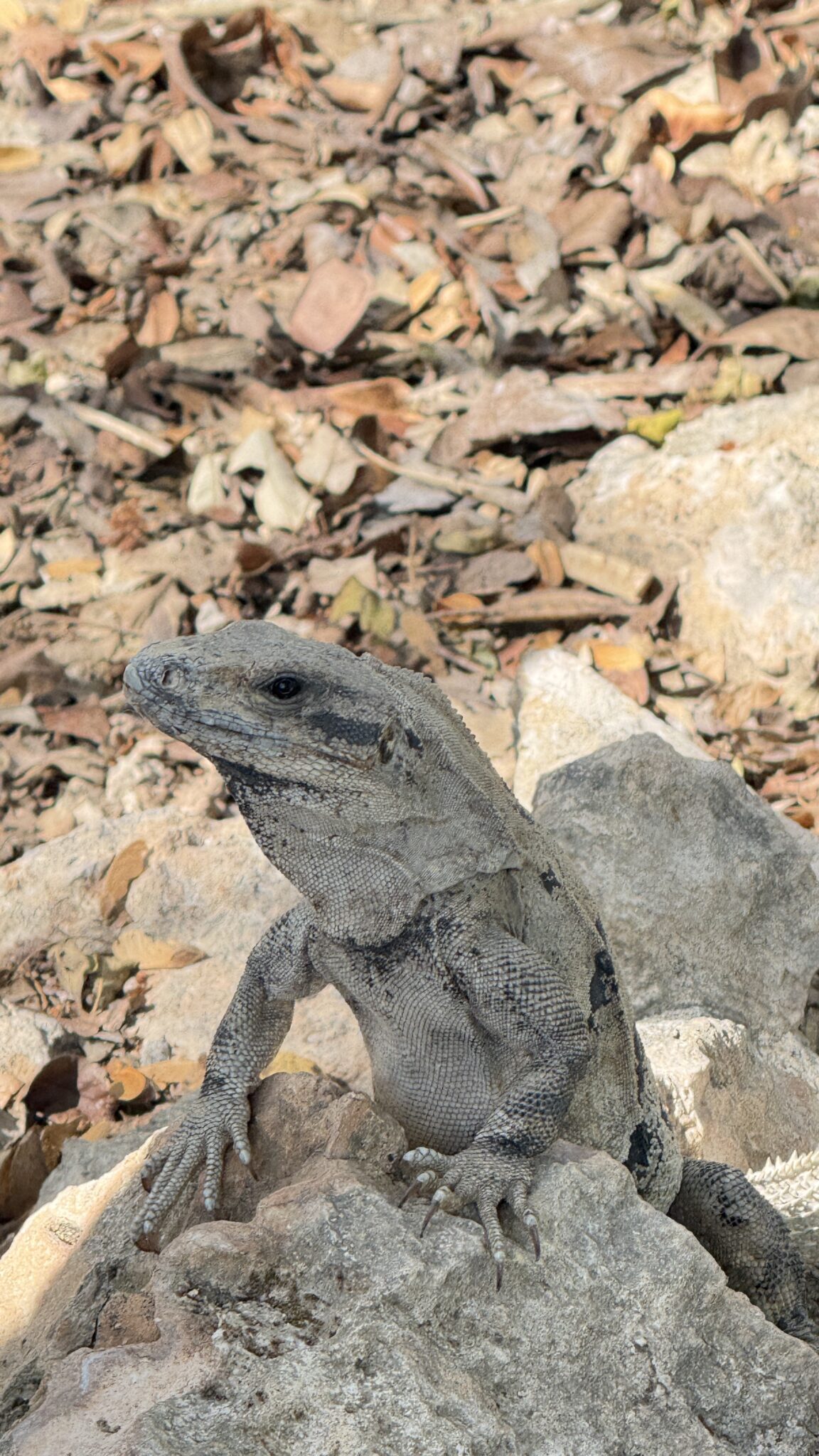
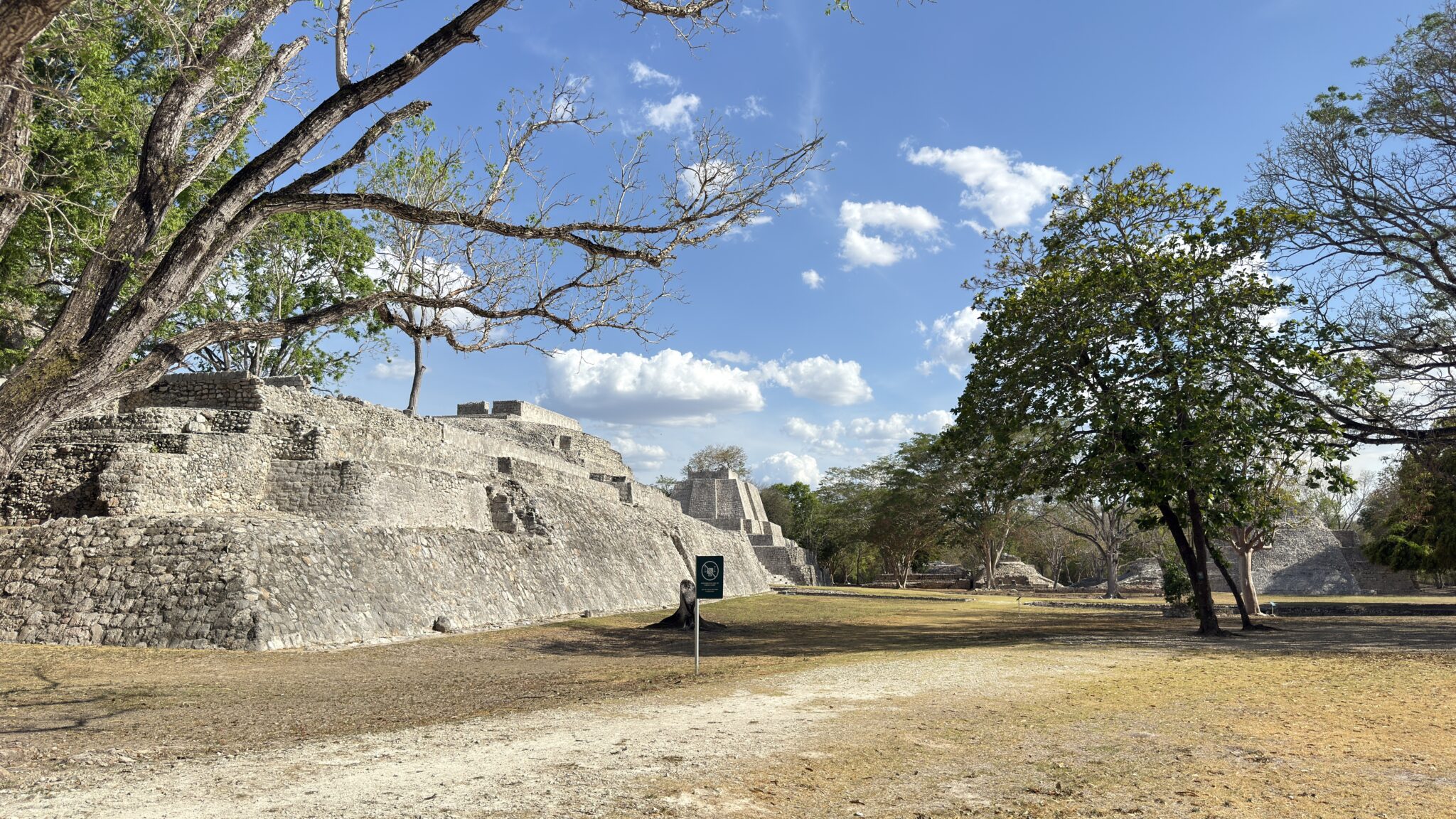
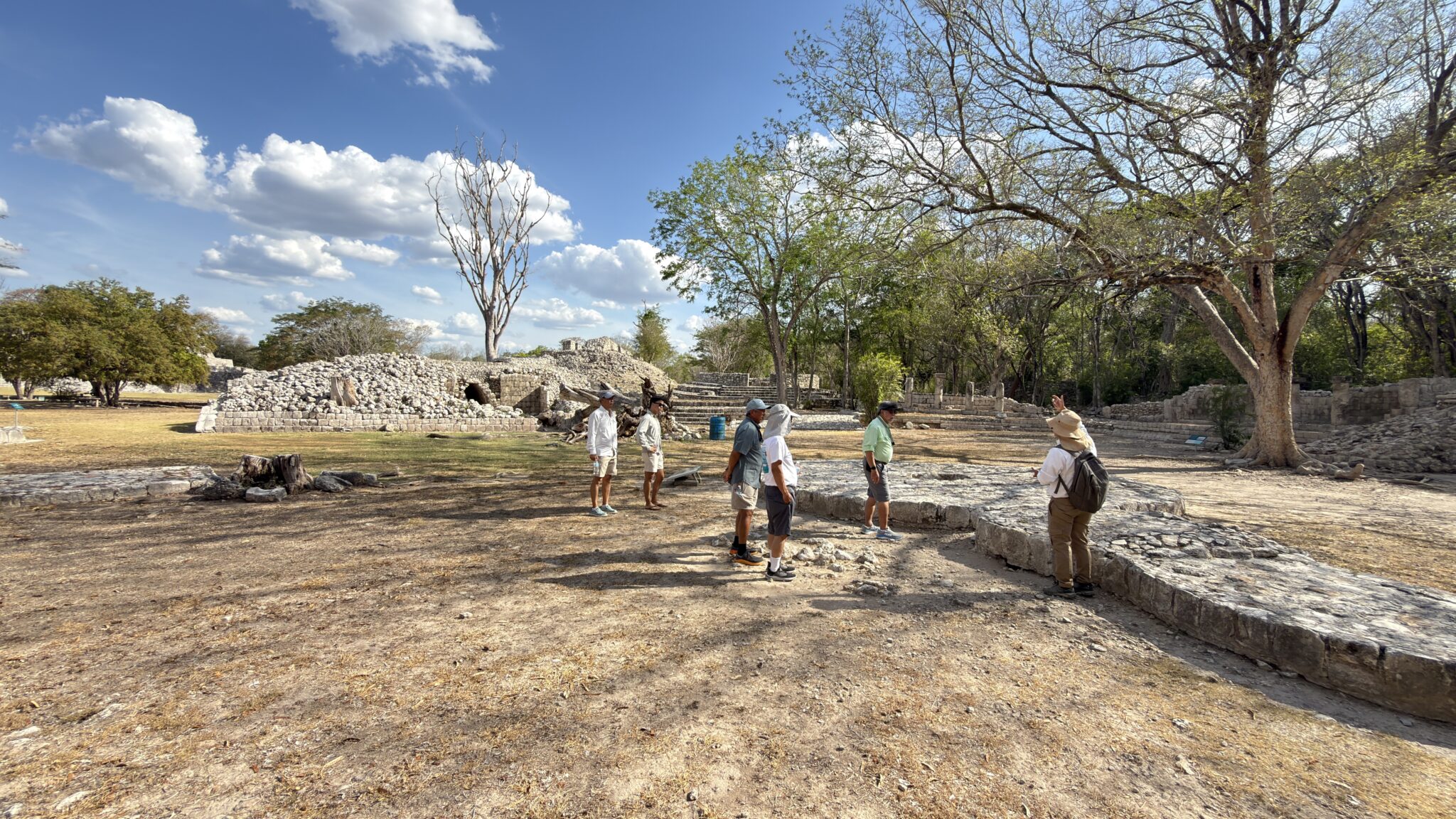
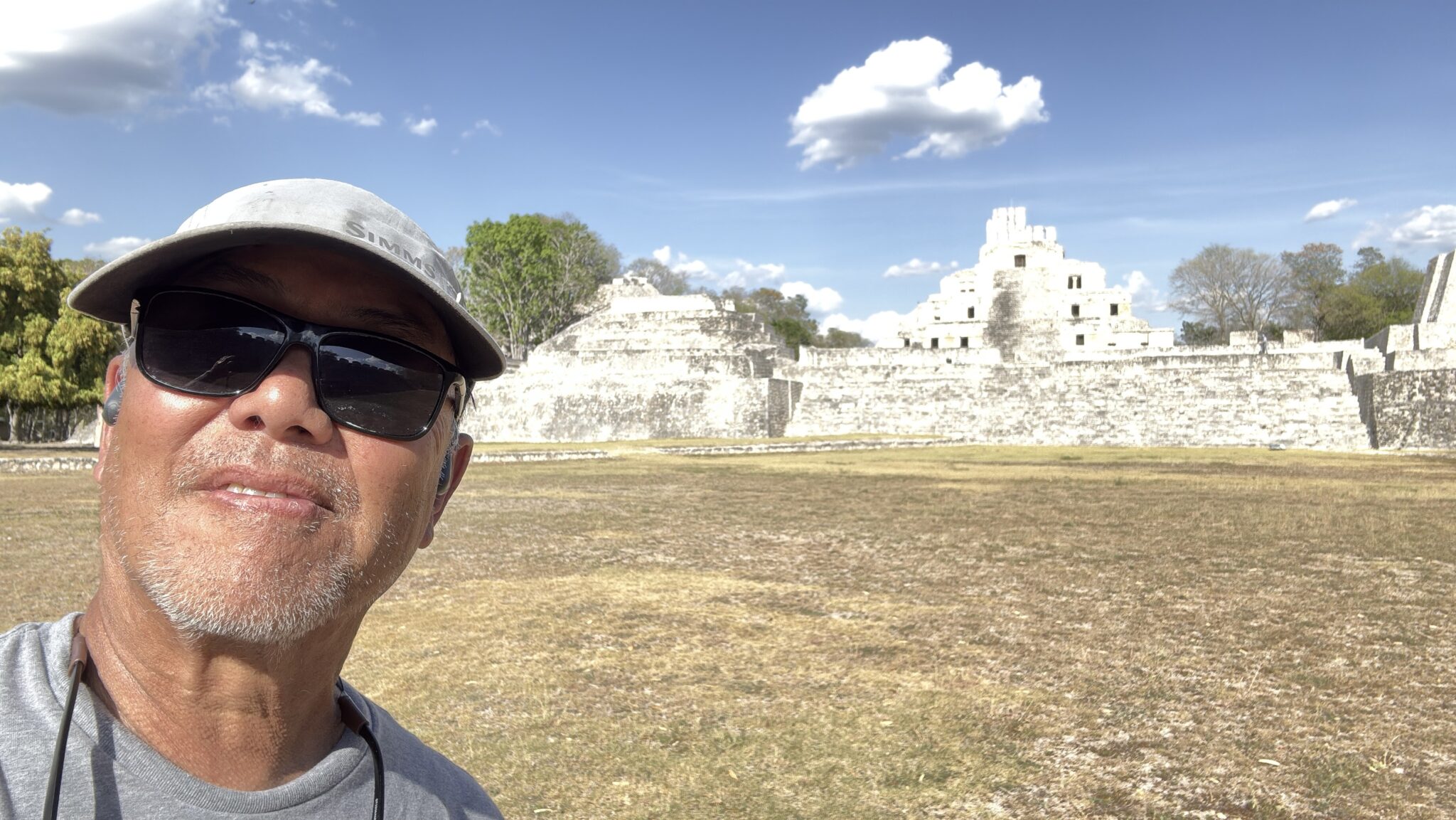
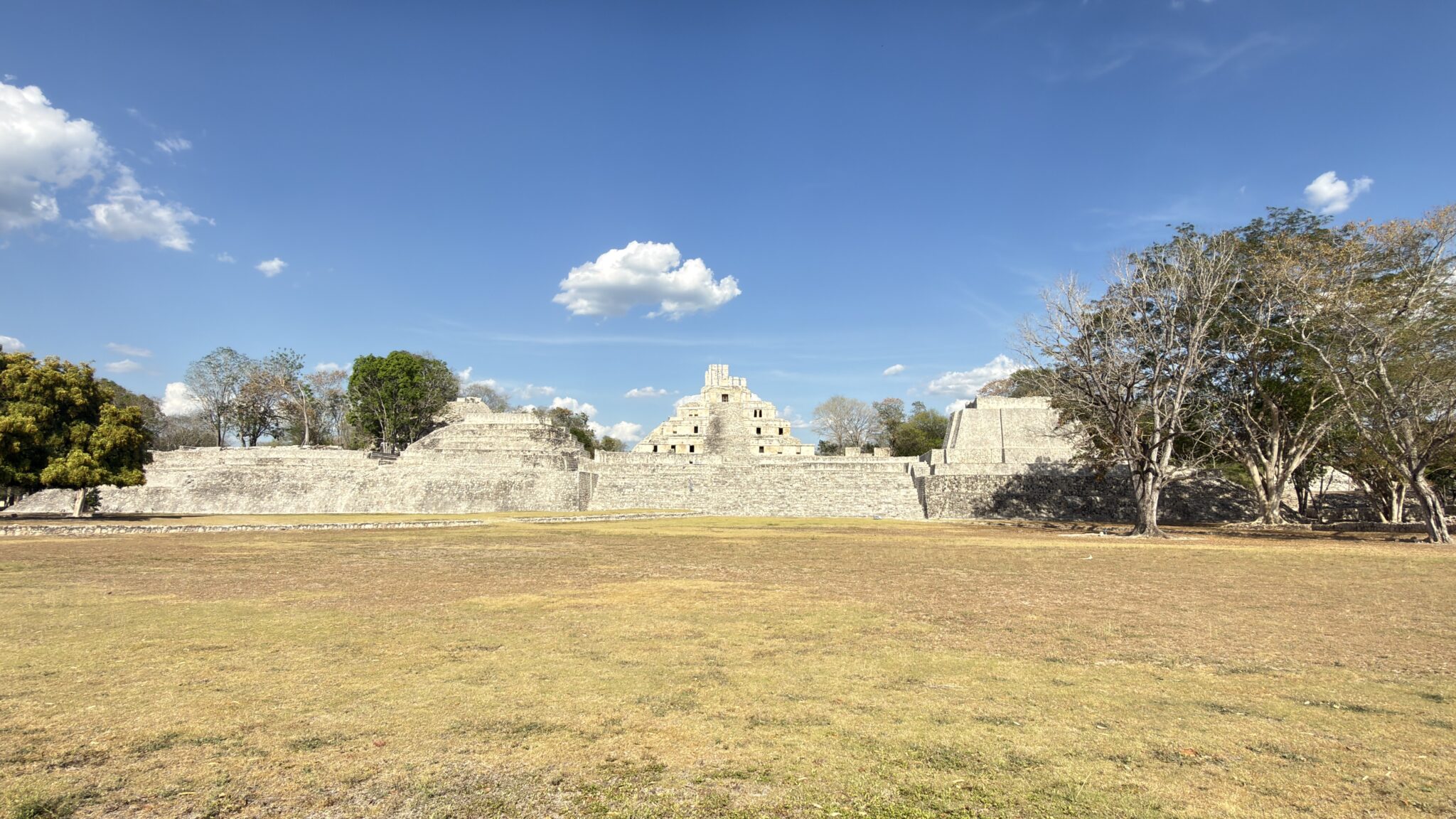
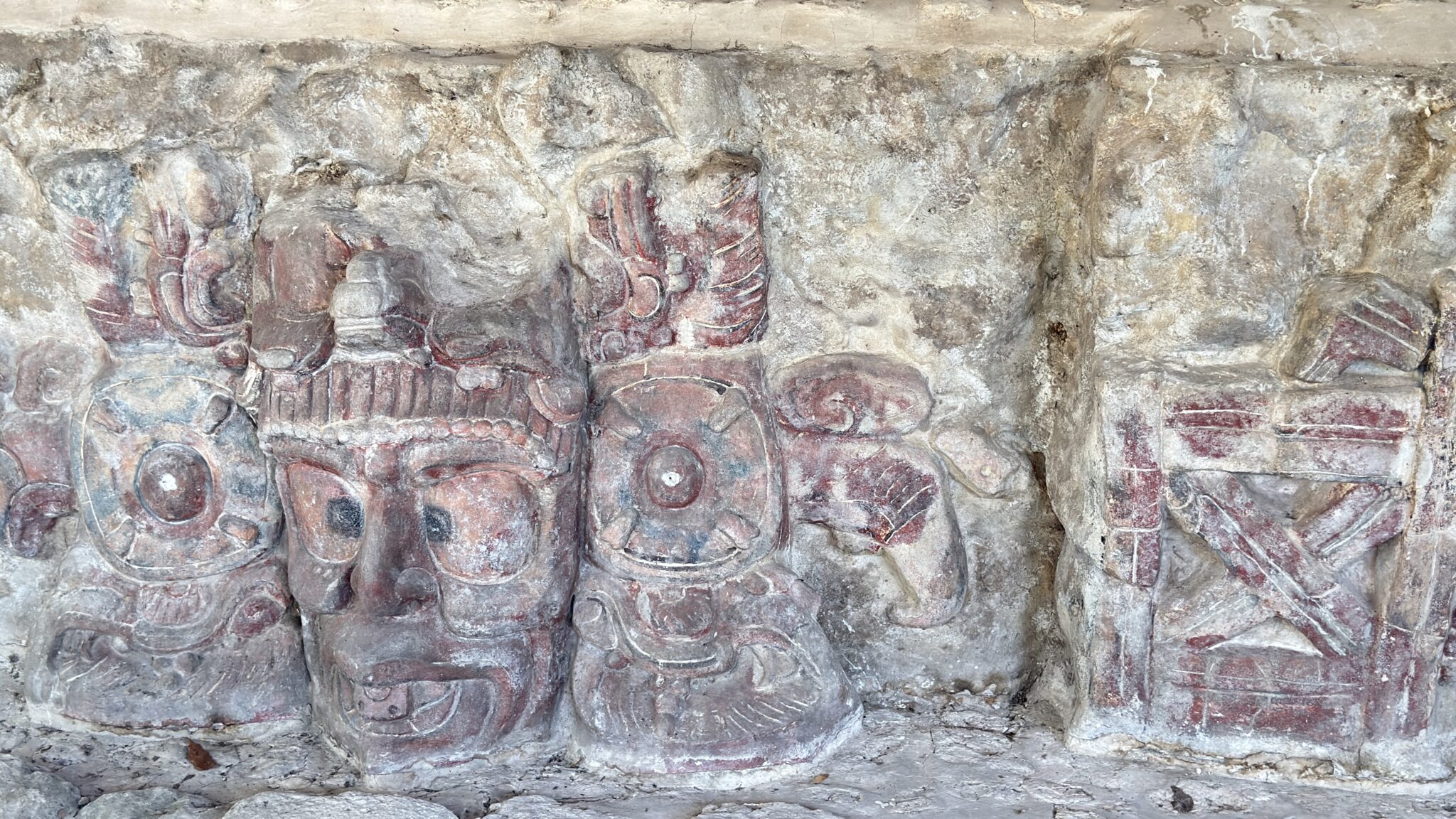
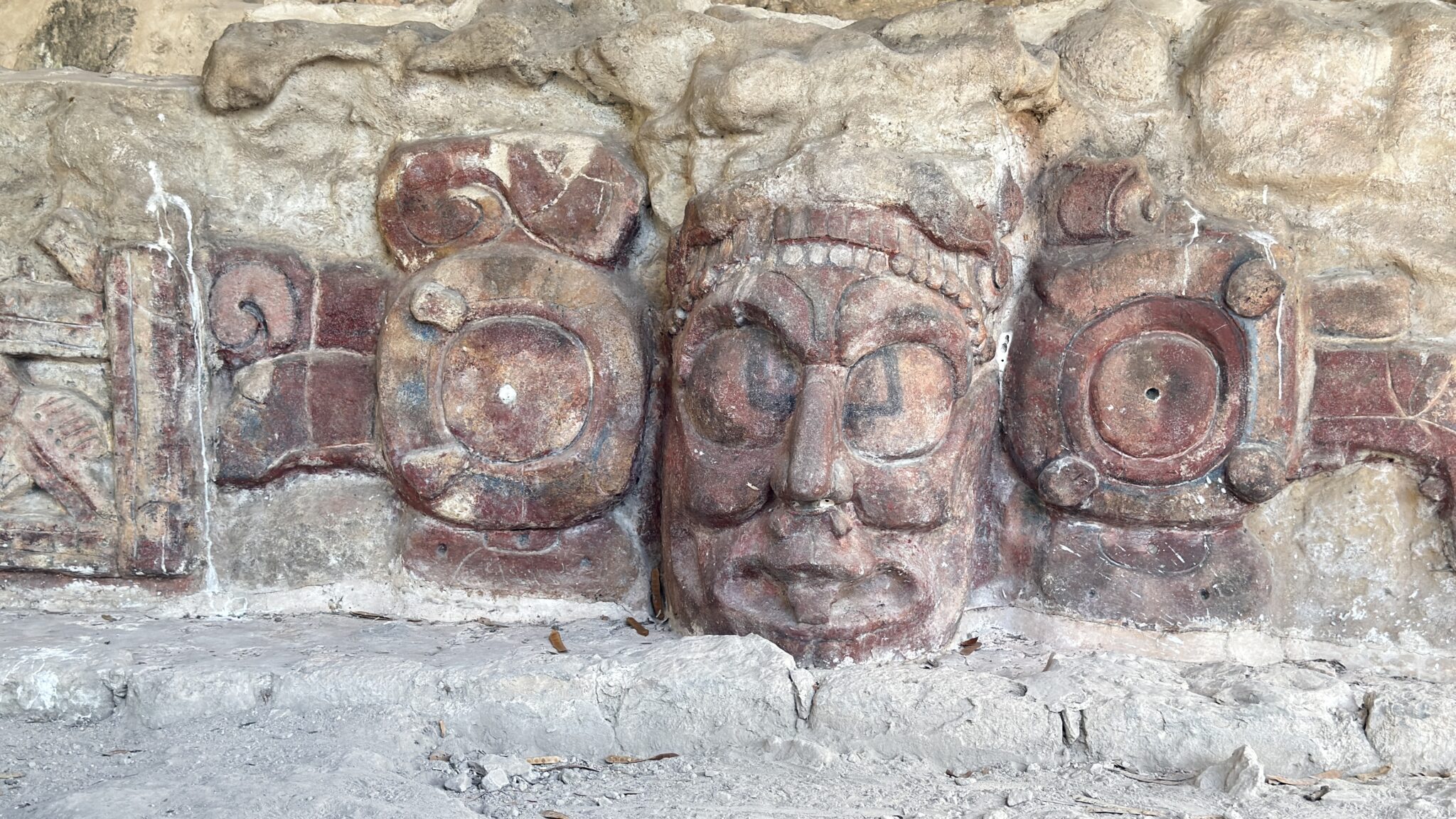
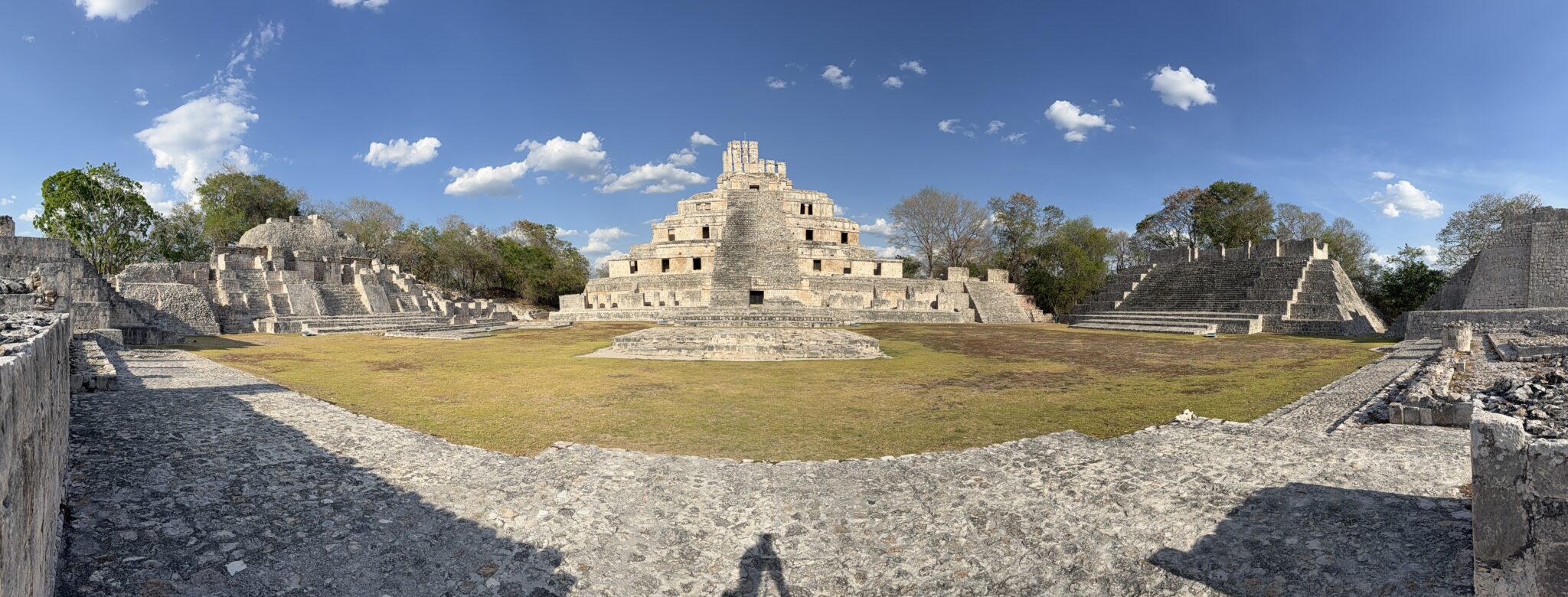
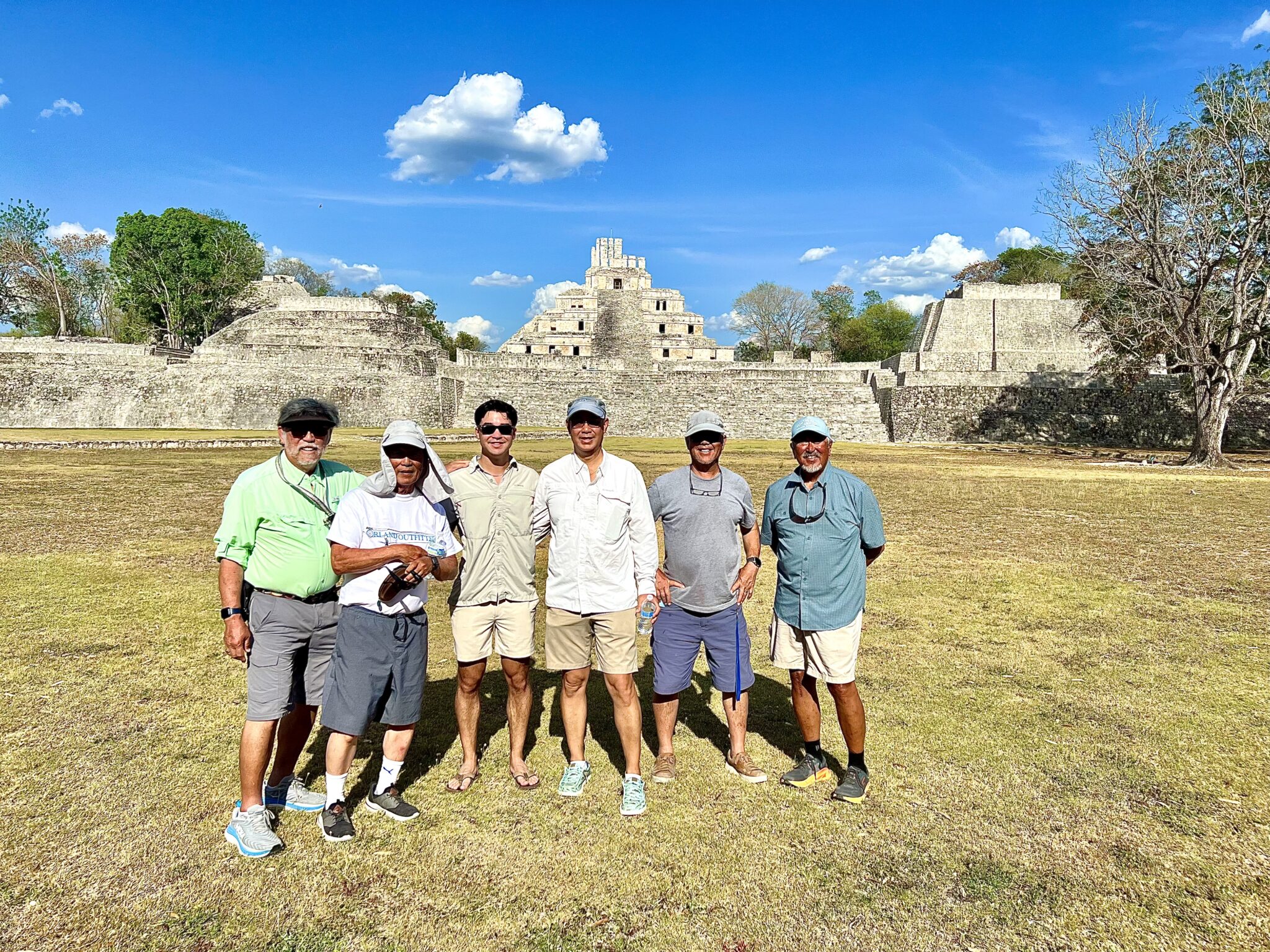
Oddly enough, one of the highlights of the entire trip had nothing to do with fishing.  On Thursday afternoon, Jerry and I toured the Mayan ruins of Edzná with the group.  Only about 45 minutes outside town, we arrived late in the day and practically had the entire archaeological site to ourselves. Standing there among massive stone temples, learning how the Mayans built a thriving civilization through trade and innovation over hundreds of years, it was impossible not to reflect on how civilizations succeed through opportunity, commerce, and cooperation.  I think the Mayans were conservatives .   Also… after six days of getting rejected by tarpon, it was refreshing to spend time around something that couldn’t throw the hook.
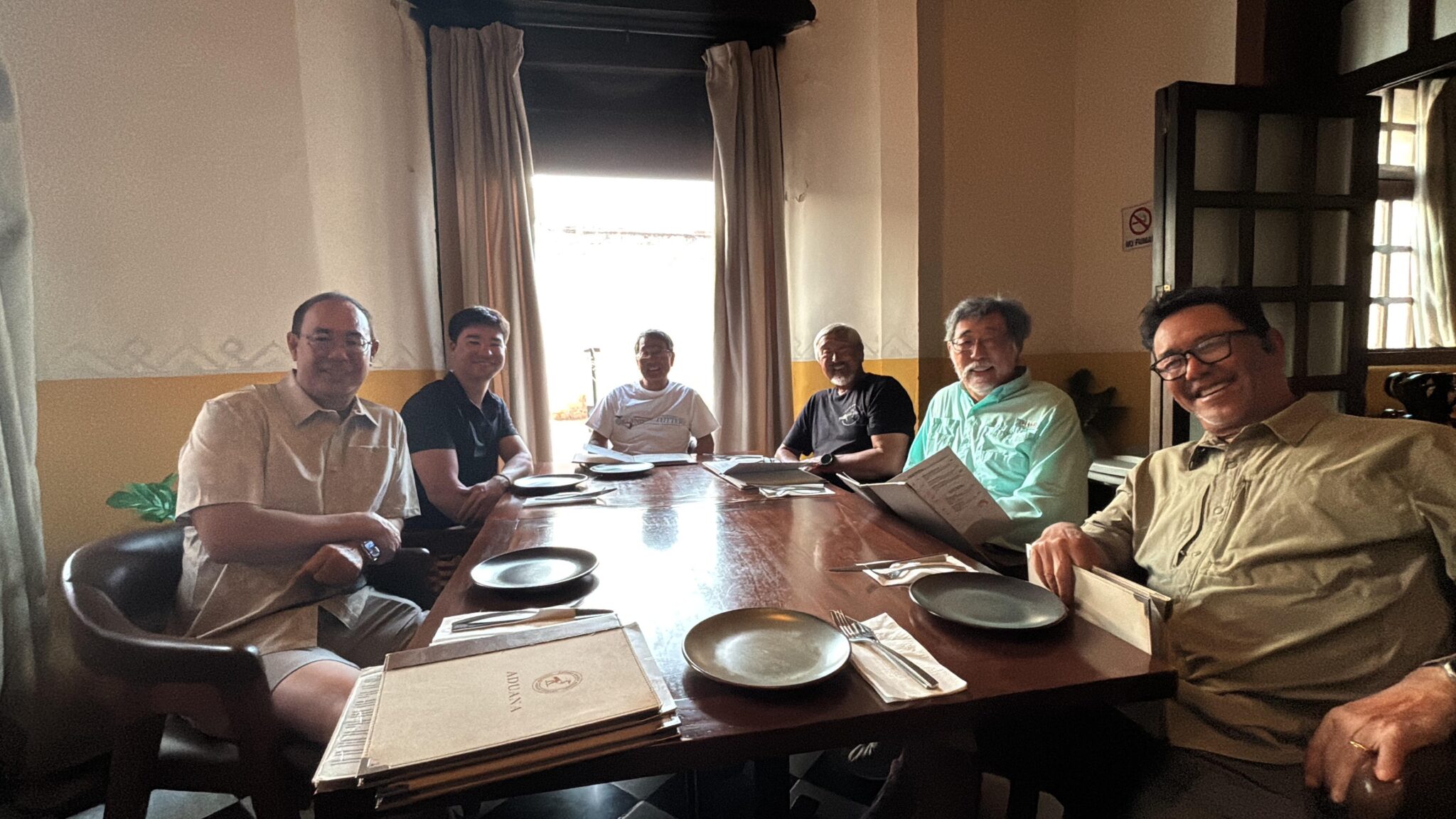
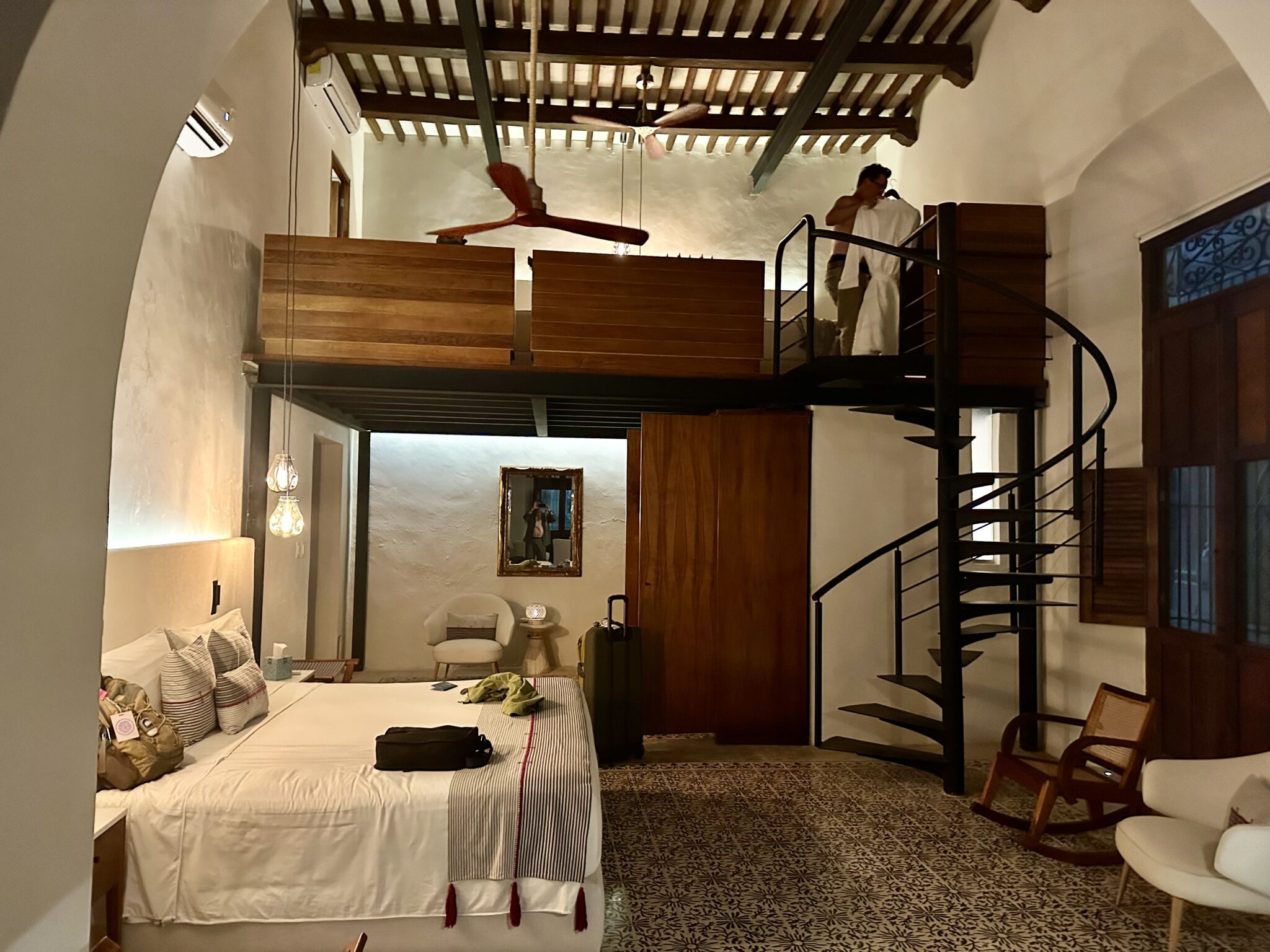
I probably wouldn’t return to Campeche just for the tarpon fishing, but I could definitely see myself coming back with Gina. She would love the ruins, the food, the shopping, and the culture.   Naturally, I’d bring a fly rod. It would sit in the corner of the hotel room as a decorative reminder that no matter how many times a tarpon humiliates me, I’m always willing to give the relationship one more chance.
Leave a Reply

Your email address will not be published. Required fields are marked *