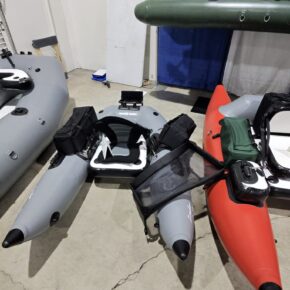
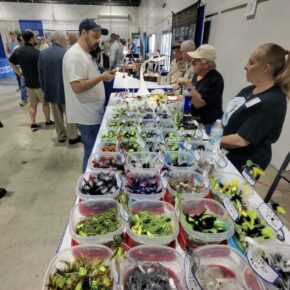
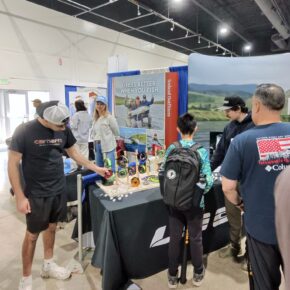
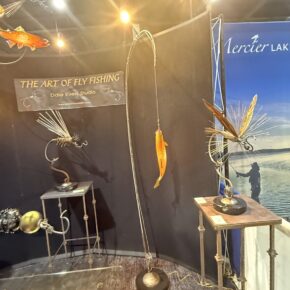
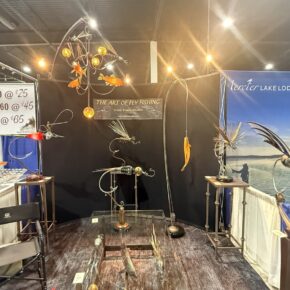
Every year right about the time I start reorganizing my fly boxes like it’s going to make me a better fisherman, the Pleasanton Fly Fishing Show shows up and reminds me of one simple truth: I don’t need more gear… I just need better excuses.
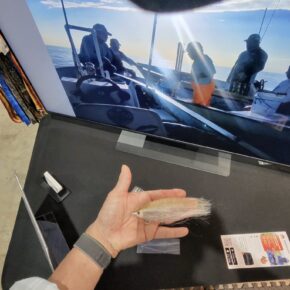
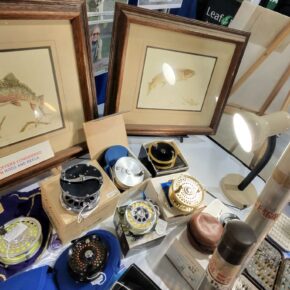
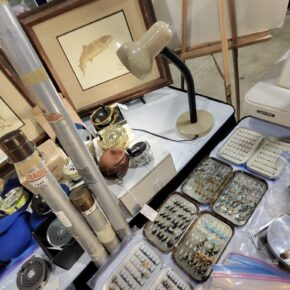
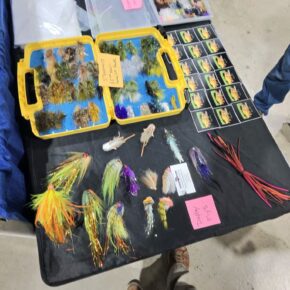
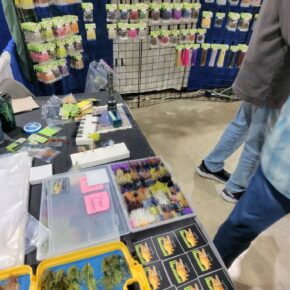
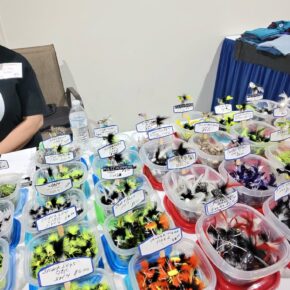
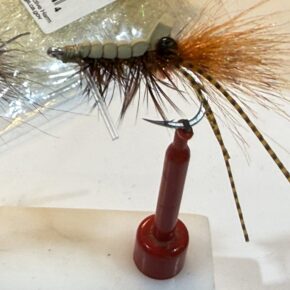
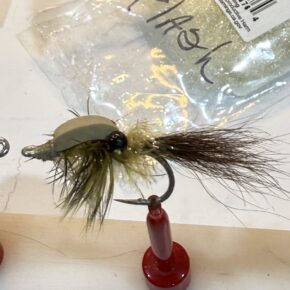
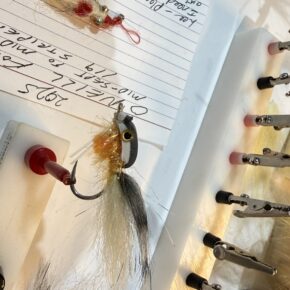
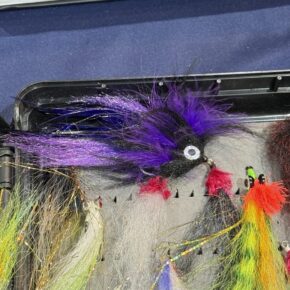
Walk in and it’s the same story—coffee in one hand, wallet quietly panicking in the other. Rows of booths with rods that cast themselves (supposedly), reels that sound like music, and lodges from places that somehow all feel like “next year’s trip.” I tell myself I’m just looking, which is exactly what I said the last time I walked out with a rod I had no business buying. But then with the lack of Brick and Morter Fly shops in San Jose, I find myself looking at Flytying Materials that I dont get to touch but for a button on my Iphone.
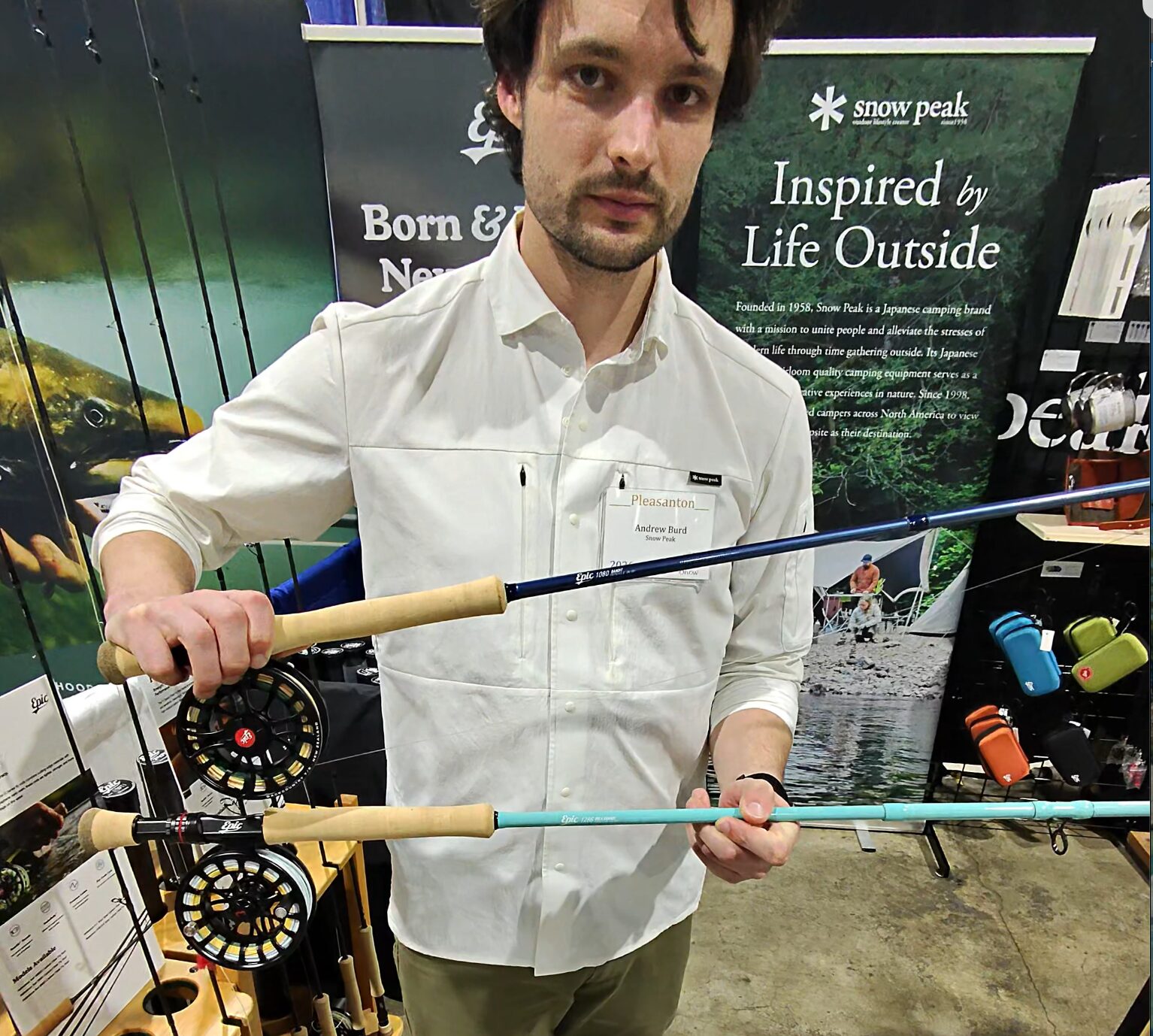
My favorite new find was the S Glass rods from EPIC. Epic’s big game S-glass rods—like the 10 wt Bandit and the 12 wt Boca Grande—are basically the opposite of today’s fast, stiff graphite sticks: they’re built on modern S-glass that loads deep, casts with a smooth, almost effortless feel, and really come alive once a fish is on. The Epic 10wt Bandit FastGlass is a blast for stripers and inshore work where you’re casting heavy flies at practical distances, while the Epic Boca Grande 12wt is a full-on big-game tool designed for tarpon and serious pressure situations, trading a little casting distance for durability and fish-fighting control. Bottom line—they’re not distance cannons, but they’re incredibly fun, forgiving, and deadly effective when the game is fought inside 60–70 feet and the fish actually matters.
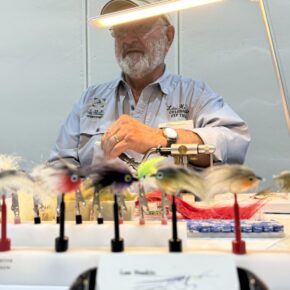
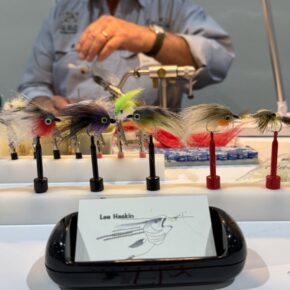
The best part isn’t even the gear—it’s the people. You’ve got guides, instructors, and salty veterans who can outfish you with three flies and a bad attitude. You listen for ten minutes and suddenly realize you’ve been overcomplicating everything for the last decade. Then you wander over to the casting pond, thinking you’re decent, and some little girl casually drops a perfect loop at 70 feet like she’s brushing his teeth… and now you’re rethinking your entire identity. I especially enjoyed seeing Harpa from Iceland Outfitters who set me up last year. Also I met up with Lee Haskins who I will be fishing with for Tarpon this year at Tarpon Cay Lodge.
I sat down at the fly tying area “just for a minute,” and next thing I know I’m 45 minutes deep, convinced I need materials I can’t pronounce to tie flies I’ll probably lose in a tree. Then there’s the film festival—big fish, wild places, and just enough inspiration to justify trips you haven’t budgeted for yet but are somehow already planning. Future trips await… Its go time for this 70 year old.
That’s really what the Pleasanton show does—it resets you. You walk in thinking you’re dialed, and walk out realizing you’ve got a lot to learn… and somehow that’s the best part. By the time I got home, I wasn’t thinking about what I bought—I was already checking flows, watching weather, and convincing myself this is the year I finally figure it out.
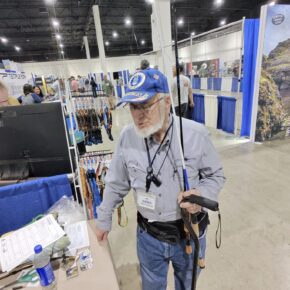
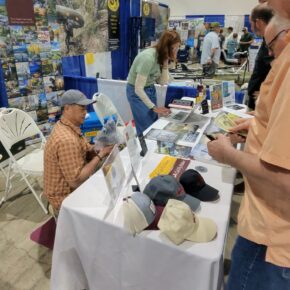
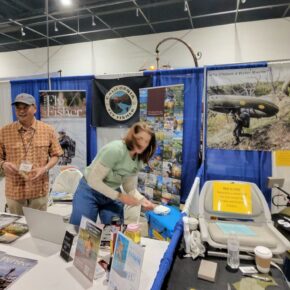
I attended a couple of seminars put on by George Revel. I really like George. George Revel, owner of Lost Coast Outfitters, is one of the most dialed-in voices in Northern California fly fishing—a guy who’s not just part of the scene, but has his finger squarely on the pulse of it. A Master Certified Casting Instructor through Fly Fishers International, he’s spent years teaching and guiding across everything from steelhead rivers to Delta stripers and spring creeks. He’s also served as an editor and contributor to California Fly Fisher Magazine, which gives him a broader view of trends, hatches, and fisheries across the region. Add in his conservation work with California Trout and Western Rivers Conservancy, and you get someone who not only fishes these waters, but helps protect them—and more importantly, understands what’s happening right now, not just what’s supposed to be happening. I sat in on George Bell’s talk, and it wasn’t just another “throw flies and hope” session. This was a full-on calendar for Northern California fishing—what to do, when to do it, and more importantly, when to not waste your time pretending. The big takeaway? Fishing success isn’t about being good—it’s about being adaptable. The guys who adjust win. The guys who don’t… blame the moon. Two Seminairs – One on fishing the Seasons in Northern California and the other on Fly Fishing San Francisco.
George Revel’s Northern California Fly Fishing Playbook
❄️ WINTER
“Earn It… or Outsmart It”
Winter doesn’t ask if you’re motivated.
It asks if you’re honest.
You stand there in the morning, coffee in hand, looking at the forecast… and you already know the truth. Cold. High water. Maybe blown out. Maybe fishable. Probably not great.
But winter has a way of pulling you in anyway.
There’s something about it—fewer people, quieter rivers, that feeling that if you do figure it out, you’ve earned something the rest of the crowd isn’t willing to work for.
And that’s where most guys get it wrong.
They think winter fishing is about grinding harder.
More hours. More casts. More suffering.
It’s not.
It’s about being smarter than the conditions.
Because winter doesn’t reward effort—it rewards judgment.
👉 Where that plays out:
- Pyramid Lake when rivers blow out—big fish, stable conditions
- Lower Sacramento for consistent tailwater fishing
- Fall River for technical but always-fishable water
- Coastal rivers like the Eel, Smith, and Trinity when flows line up
- Ocean beaches for underrated but productive surf perch
👉 Meng Syn Take:
If I’m being honest, winter is where I win by not being stubborn. If it looks bad, I pivot fast. The guys who struggle are usually the ones trying to force a plan that already failed before they left the driveway. Im Tying Flies, Planning trips, Fishing San Luis and the Forebay weekly. Picking Wayne Syn and Ken Oda’s brain for some good fishing.
🌱 SPRING
“Everything Starts Moving”
Spring feels like momentum.
You don’t even need a calendar—you feel it. Warmer mornings. Longer days. That itch to get back out there starts building whether you like it or not.
And then one day, it clicks.
Water has a little more life.
Fish start showing themselves.
That first solid grab after a slow winter…
That’s the reset.
Spring isn’t just a change in weather—it’s a change in energy. Everything starts moving again. Fish, bugs, water… and honestly, you too.
But here’s the catch—spring is also when guys get fooled the most.
Because it looks good.
And looking good isn’t the same as being right.
Spring rewards anglers who pay attention to what’s actually happening—not what they hope is happening.
👉 Where to be when it turns on:
- Sacramento–San Joaquin Delta as stripers arrive
- O’Neill Forebay and San Luis Reservoir when wind and bait line up
- Putah Creek before summer vegetation takes over
- Pit River when flows are right
- Hat Creek for consistent spring creek action
- McCloud River as it starts to wake up
- Ice-off Sierra lakes for aggressive post-winter trout
👉 Meng Syn Take:
Spring is when I start trusting instincts again. First good grab of the year resets everything. But I’ve learned—don’t chase reports, chase conditions. Big difference. Im fishing Henderson Springs and getting trout gear ready. Keeping an eye out for reports from Lake Margaret, Bidwell, Hat Creek, Fall River. NOR CAL trout fishing, Still fishing O Neil Forebay and San Luis weekly
🌸 MAY & JUNE
“The Window”
There’s a moment every year when everything lines up.
Not just one river. Not just one hatch.
Everything.
And if you’ve fished long enough, you recognize it almost instantly.
You start hearing reports—
“This river is going off.”
“Bugs everywhere.”
“Fish are up all day.”
And suddenly your schedule starts to feel… flexible.
May and June aren’t just good months.
They’re opportunity stacked on opportunity.
The kind of fishing where you’re not trying to make something happen—you’re trying to keep up with it.
But here’s the part that matters—
This window doesn’t wait for you.
You either step into it at the right time…
Or you hear about it later.
👉 Where everything comes together:
- McCloud River during Green Drake hatches
- Truckee River for big bugs and big fish
- Upper Sacramento for consistent, accessible action
- Yuba River for trout and shad overlap
- American River for fast-paced shad fishing
- Trinity River as a less crowded option
- San Francisco beaches for early summer stripers
👉 Meng Syn Take:
These two months are non-negotiable for me. If I’m not fishing now, I feel like I’m missing the best part of the year. This is when memories get made—and stories get exaggerated later.
☀️ SUMMER
“Discipline or Delusion”
Summer will expose you.
Not your casting. Not your gear.
Your discipline.
Because everything about summer looks like it should be good. Blue skies. Long days. Easy access.
But the fish? They’re on a different schedule.
And if you’re not willing to adjust to that schedule, you’ll spend a lot of time wondering why nothing’s happening.
Summer is where the casual approach falls apart.
You can’t just show up whenever it’s convenient.
You have to show up when it matters.
Early. Late. Sometimes uncomfortably so.
And if you do?
You’ll see a completely different version of the same water everyone else just struggled on.
👉 Where discipline pays off:
- Fall River for cold, consistent summer fishing
- Hat Creek (upper sections) for steady hatches
- Truckee River early and late in higher elevations
- Eastern Sierra lakes for cooler, active fish
- Backcountry Sierra lakes if you’re willing to hike
- Lower Sacramento during low-light windows
- Local carp water for technical sight fishing
👉 Meng Syn Take:
Summer fishing taught me patience. If I don’t want to get up early or stay late, I don’t deserve the bite. Simple as that.
🍂 FALL
“The Secret Season”
Fall doesn’t announce itself.
No big kickoff. No obvious signal.
It just quietly becomes better.
The air cools. The crowds thin. The water settles down.
And if you’re paying attention, you start to notice something—
Fish aren’t just feeding… they’re committing.
There’s a purpose to it.
They know what’s coming, even if most anglers are already mentally checked out, waiting for next season.
That’s why fall feels different.
Less noise. Less pressure.
More clarity—on the water and in your head.
And for the anglers who stick with it…
It might be the best fishing of the entire year.
👉 Where the quiet payoff is:
- Truckee River during October Caddis
- Upper Sacramento as temps cool
- McCloud River with less pressure and strong fish
- Yuba River for steady fall action
- Feather River for early steelhead
- Delta systems for strong fall striper fishing
- Any river in November when crowds disappear
👉 Meng Syn Take:
Fall might be my favorite. No crowds, fish are serious, and everything just feels calmer. If you know, you know. San Luis and Forebay on fire. Busting fish.
San Francisco Stripers: From Cappuccino to Chaos
San Francisco might be the only city in the world where you can finish a cappuccino downtown and be into legit striped bass water before the foam settles. Surrounded by water on three sides, this place isn’t just near fishing—it is the fishery.
What makes it special isn’t just access—it’s the range. From beginner-friendly beaches to full-contact surf warfare, San Francisco gives you a progression. And if you stick with it long enough, it gives you moments you don’t forget.
Level 1: Crissy Field — Where It Starts
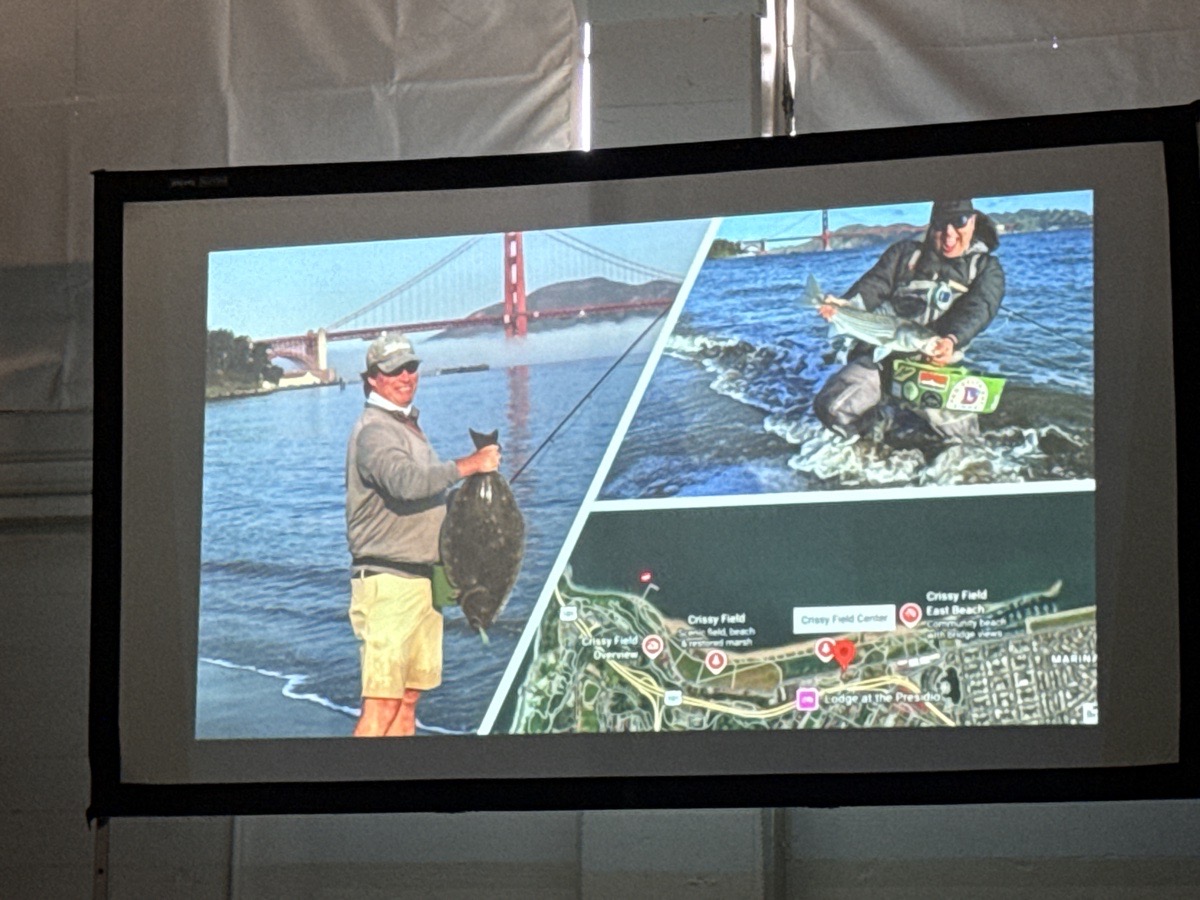
If you’re new to surf fishing, Crissy Field is home base. Easy parking, mellow structure, and fish that cruise surprisingly close to shore. You don’t need hero casts—30 feet will get it done.
This is where you learn the fundamentals:
- Reading tides
- Managing line with a stripping basket
- Feeling the rhythm of moving water
Think of it as the driving range. You’re building confidence, not chasing glory—yet.
Level 2: Baker Beach & China Beach — Time to Think
Move west and things get a little more serious. Baker Beach is the next step—same beauty, more structure, more decisions. Around the corner, China Beach adds even more personality with tighter water and unique currents.
Now you’re not just casting—you’re starting to read water.
Where are the trenches?
Where does the current slow down?
Where would a predator sit?
This is where fishing turns into hunting.
Level 3: Ocean Beach — Earn It
Then there’s Ocean Beach.
Miles of raw coastline where the Pacific Ocean decides if you’re going to be a hero—or just another guy walking back to the car wet, sandy, and questioning your life choices.
This place will humble you. You might go days… even weeks… without a fish. And then suddenly, everything lines up—tide, wind, structure—and you’re into multiple stripers, maybe even a 20-pound class fish.
The lesson here?
The fish are closer than you think.
It’s not about bombing casts into the horizon. It’s about:
- Finding inside trenches
- Reading wave cadence
- Understanding sandbars and structure
Ocean Beach is boom or bust—and that’s exactly why it’s addictive.
Inside the Bay — The Thinking Man’s Game
When you step inside the Bay, the game changes completely.
Places like Richardson Bay, Mission Bay, Hunters Point, and Candlestick are all about observation. You’re not just fishing—you’re watching:
- Bait scattering
- Birds lining the shoreline
- Nervous water and wakes
Stripers are always telling you where they are—you just have to slow down enough to see it.
Marin Side — Quiet Killers
Cross the bridge and you’ll find some underrated gems.
- Rodeo Beach — a little more rugged, a little more edge
- Tennessee Beach — quieter, less pressure
- Stinson Beach — especially near the lagoon, a great confidence builder
These spots give you space to breathe—and fish that are just as willing.
The Edges — Where It Gets Interesting
If you like exploring, head toward the outer Bay zones:
American Canyon, Waterhouse Slough, and areas along Highway 37.
This is where it becomes a chess match.
Birds, bait, current, timing—connect the dots and you’re in business. Miss them, and it’s just a nice walk.
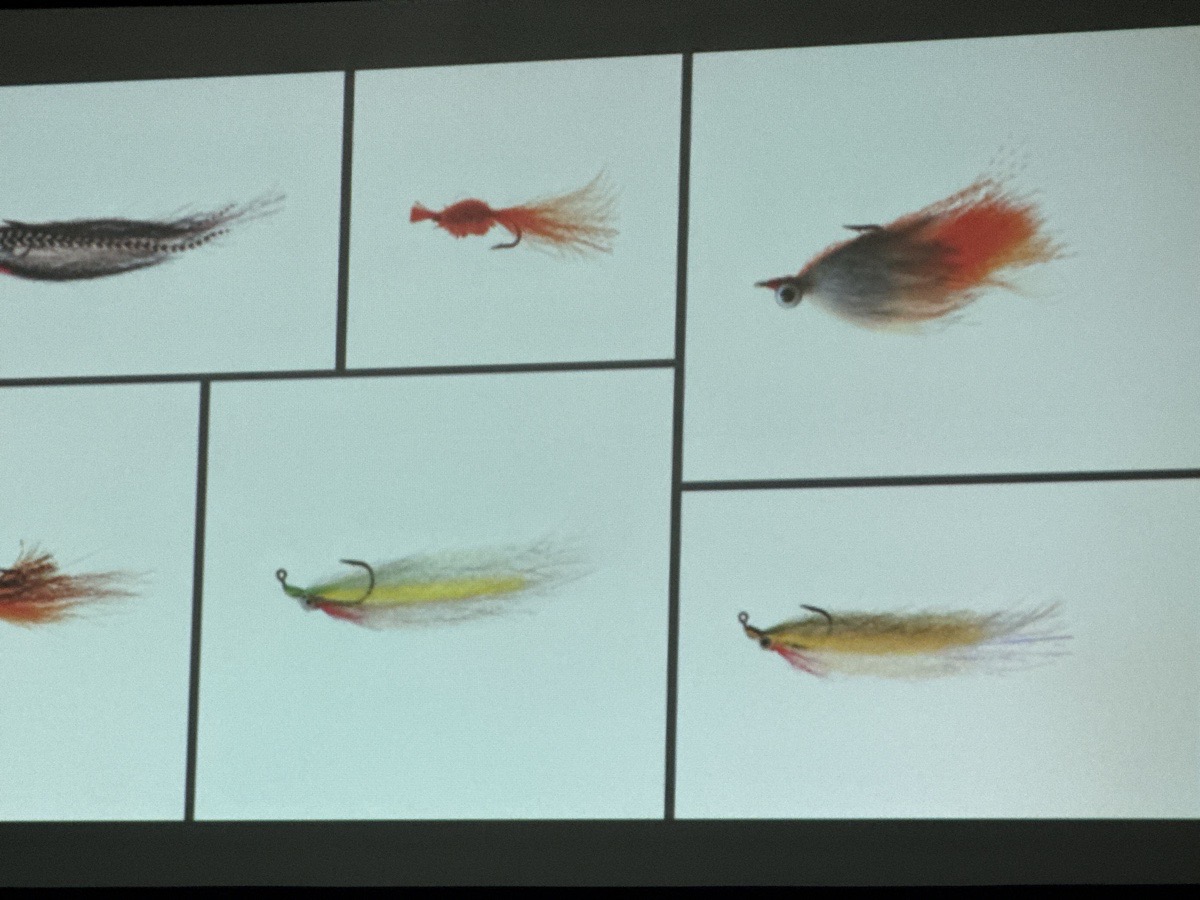
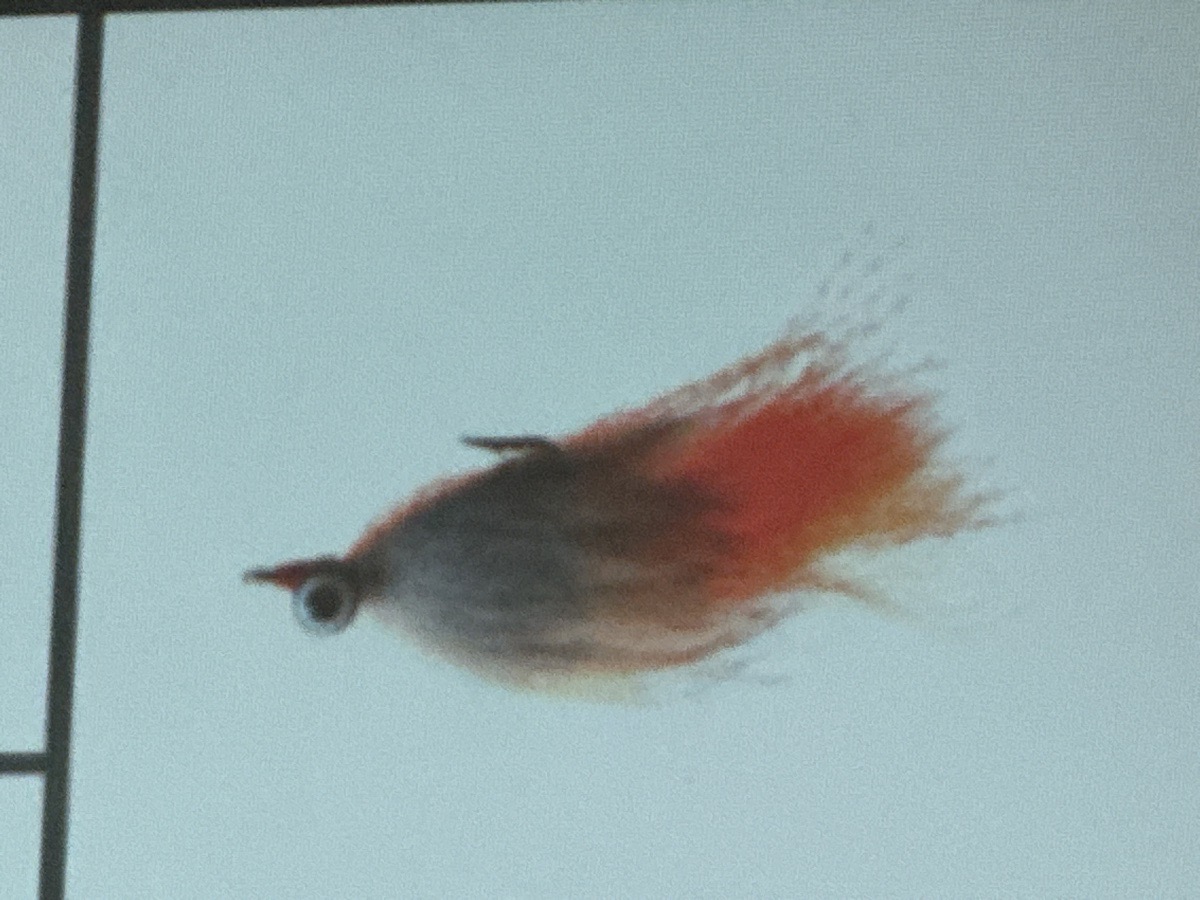
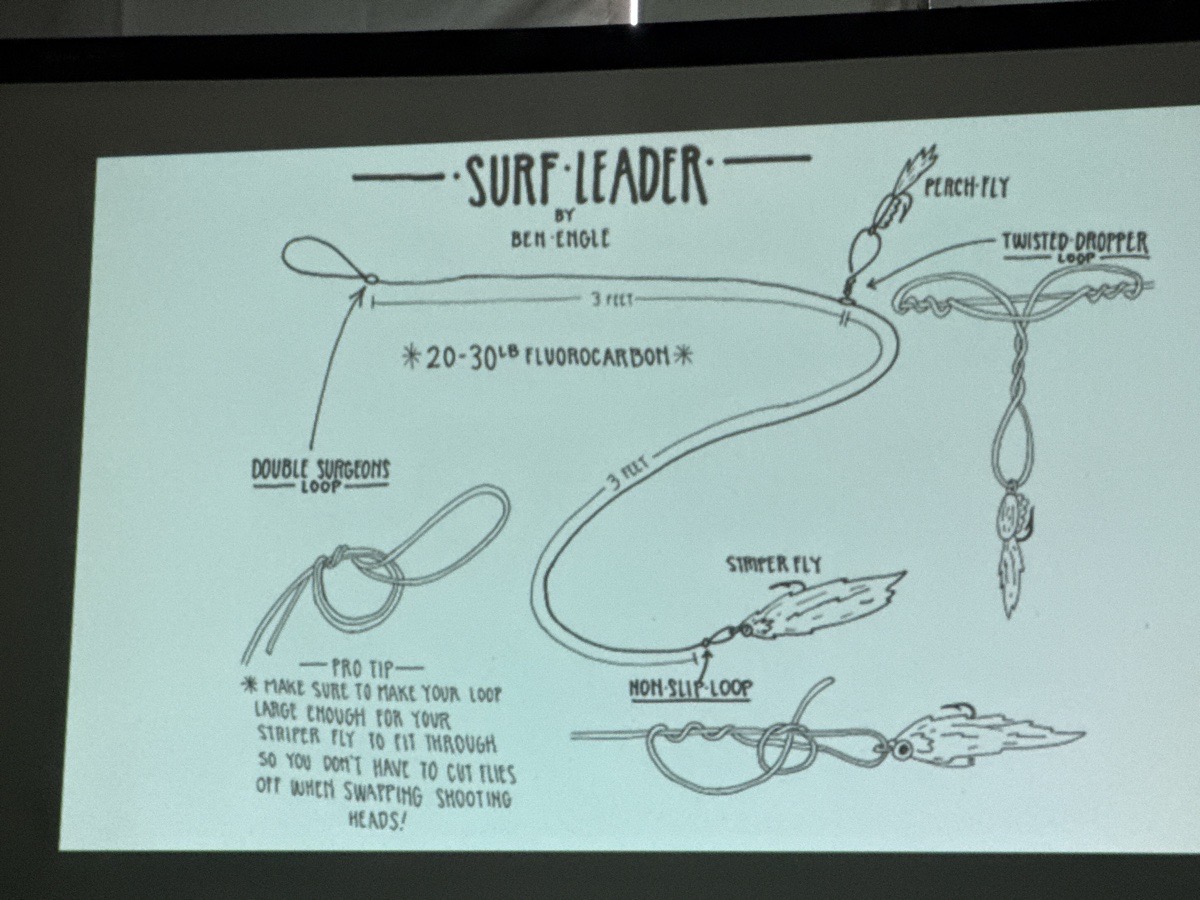
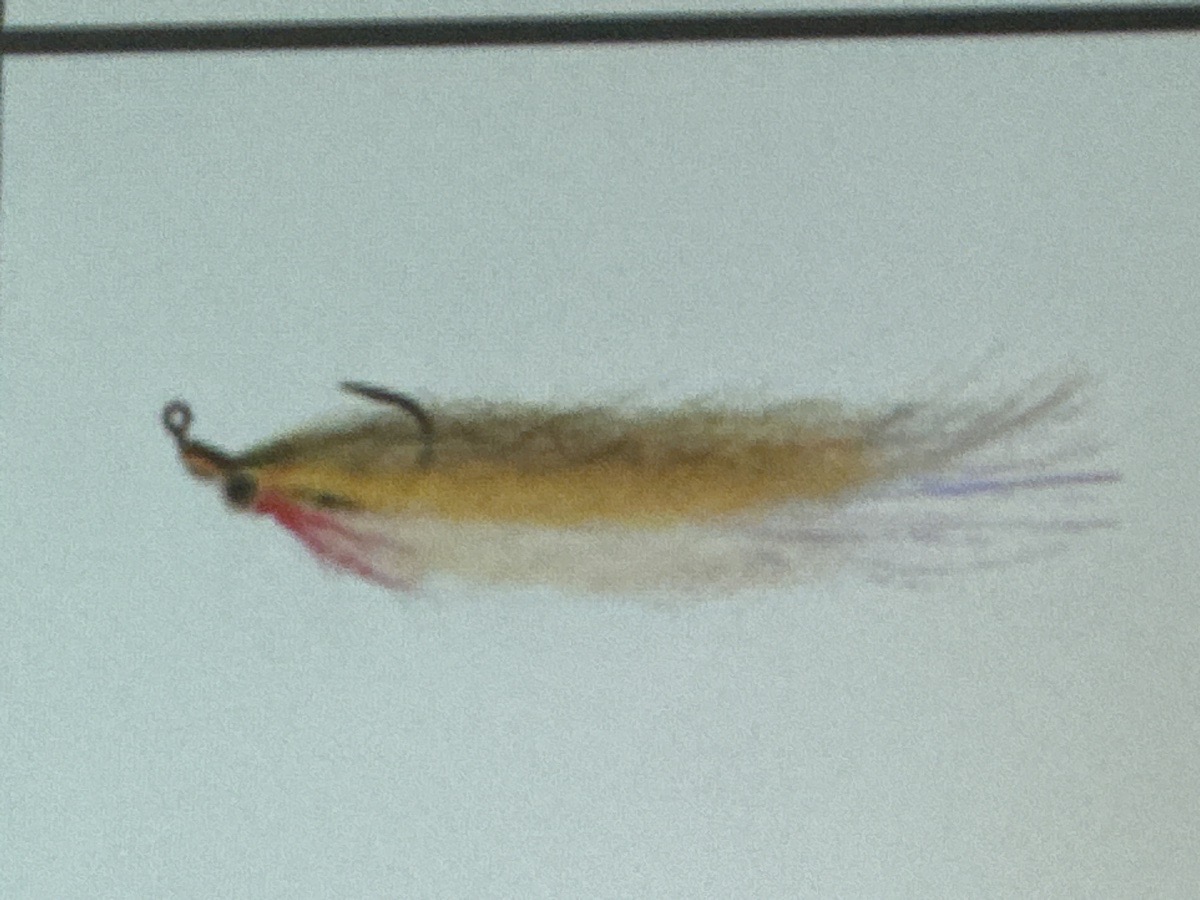
Meng Syn Take
This isn’t a numbers game—it’s a mindset. San Francisco rewards the angler who shows up when it’s uncomfortable. When it’s windy. When it doesn’t make sense. When most people stay home. You have to embrace getting skunked. You have to trust that the fish will show. Because when it finally happens—when that line comes tight in the surf, the Golden Gate in the background, waves pushing at your legs—you realize something: It was never just about the fish. It was about earning the moment.


