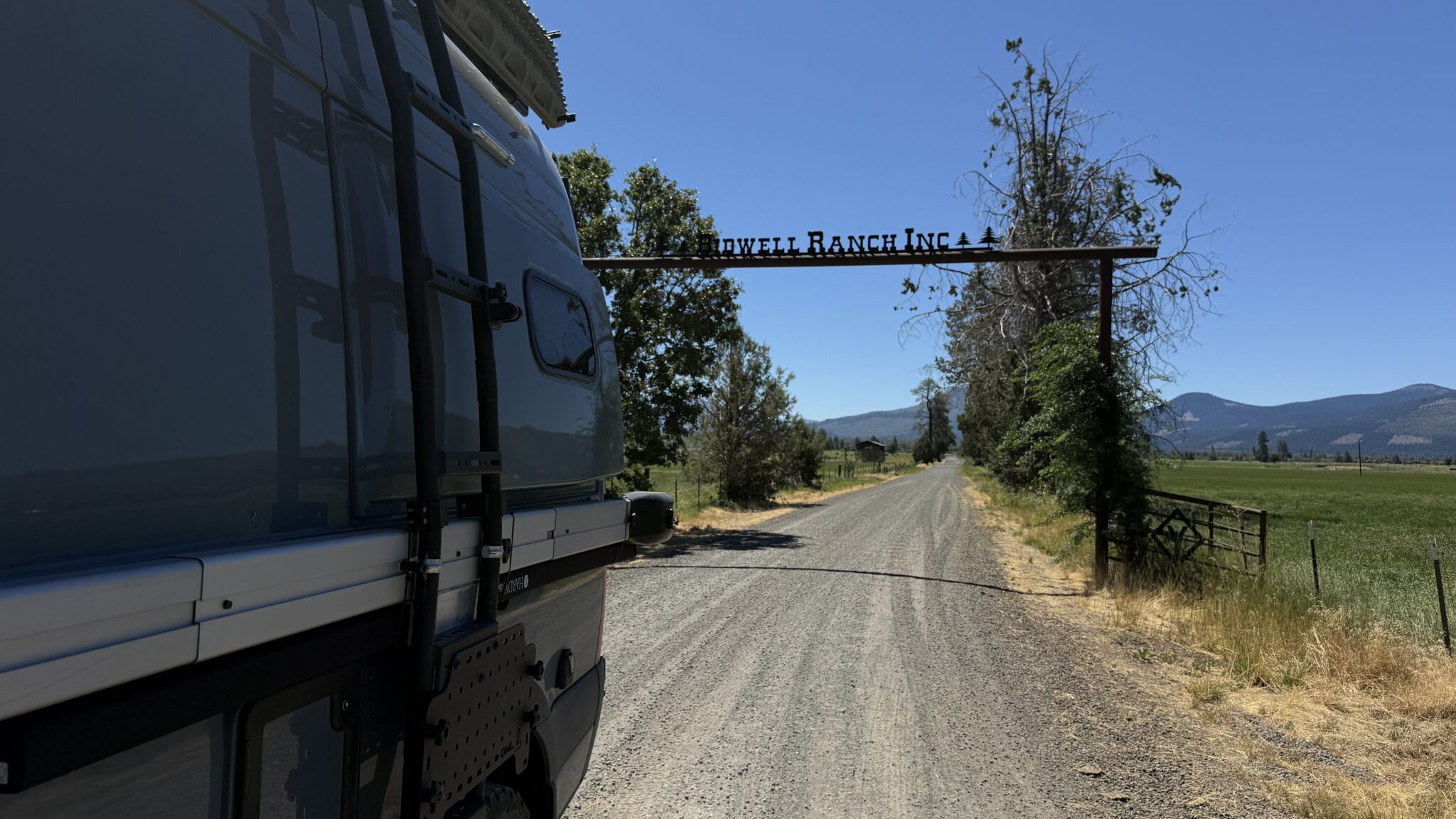
If there’s one thing we’ve learned after four trips to Wilderness Unlimited’s Bidwell Ranch and Lake Margaret over the last two years, it’s this: camping is a never-ending science experiment. Every trip teaches us something that makes the next one just a little more dialed in.
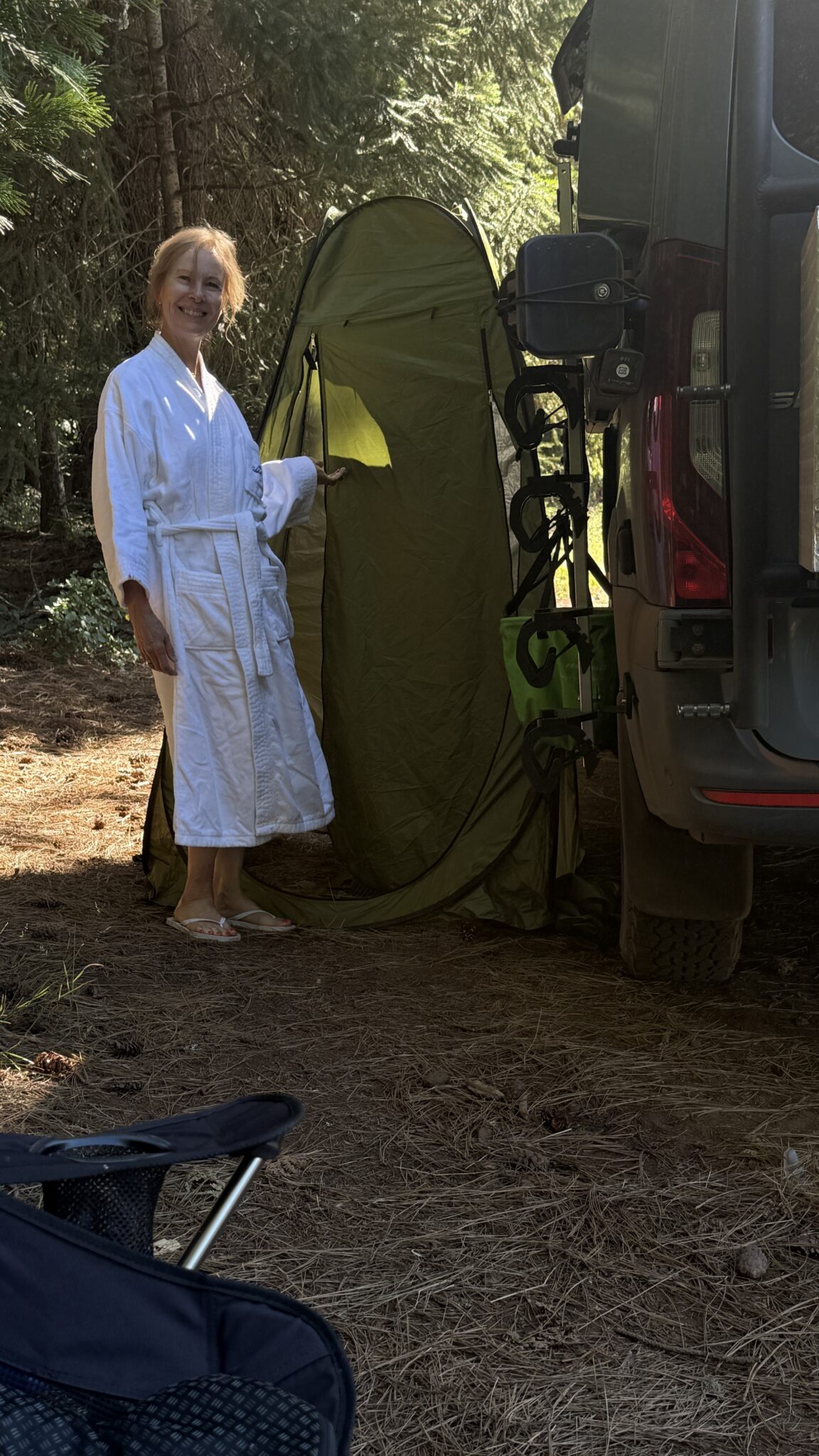
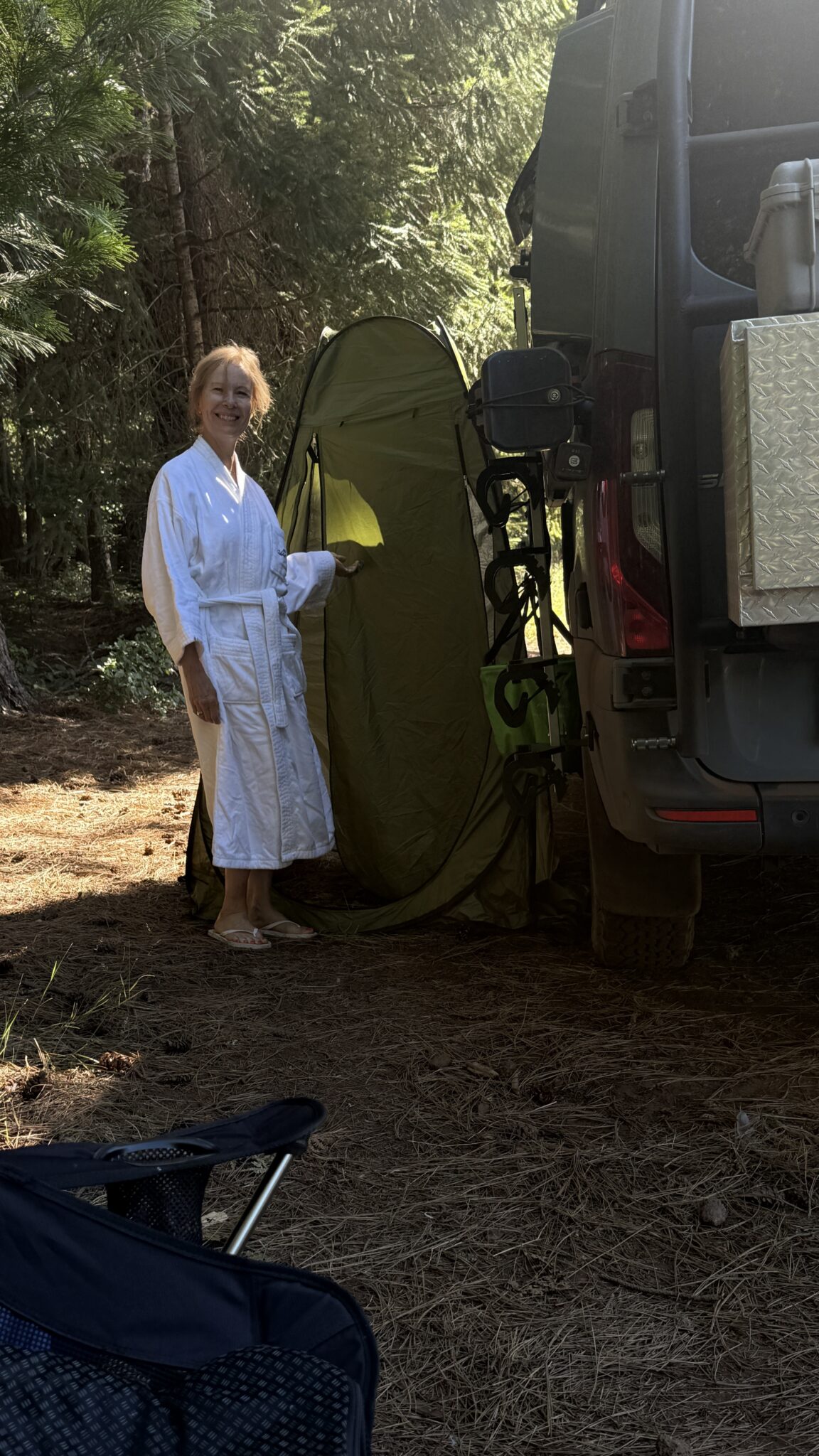
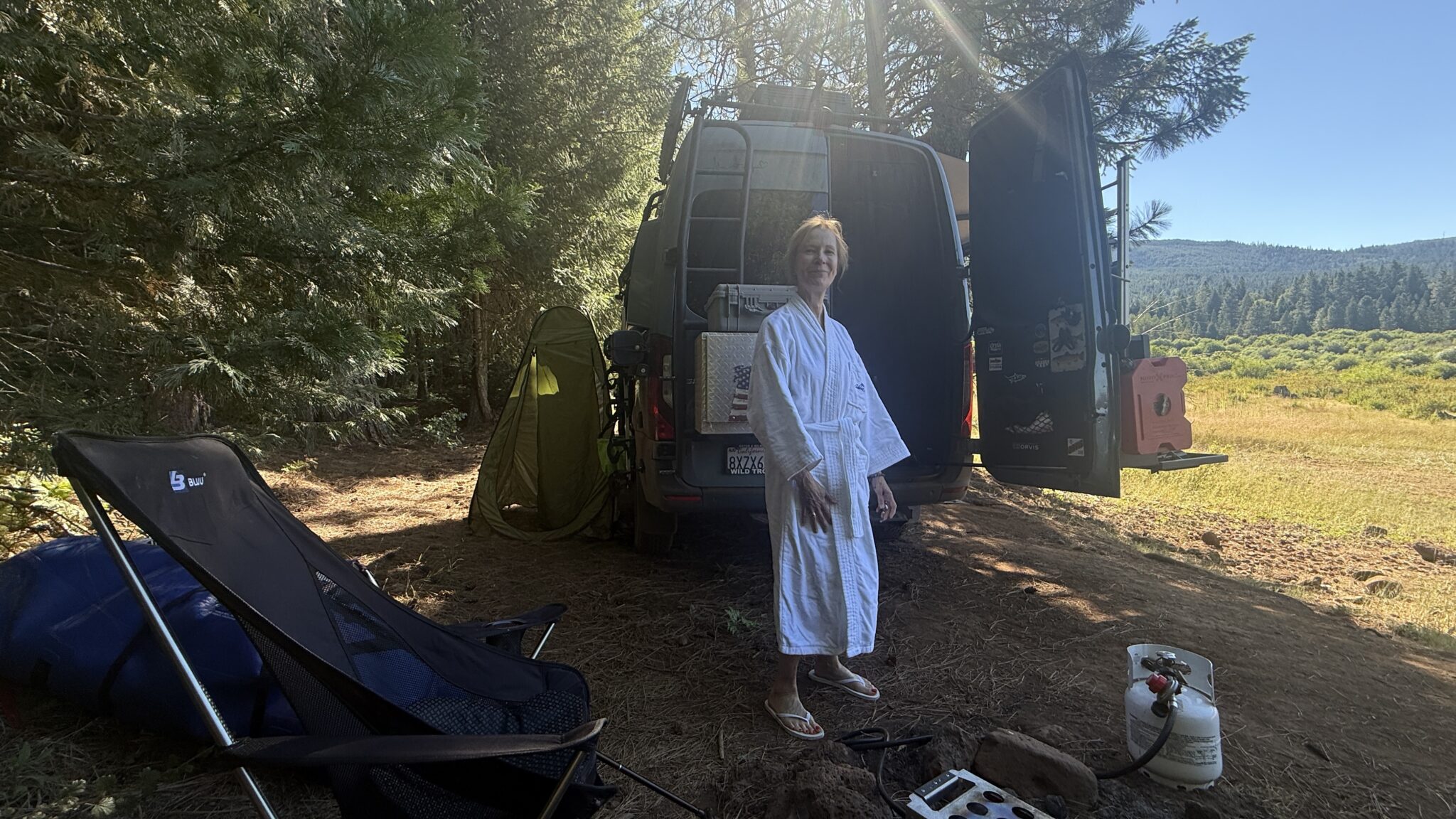
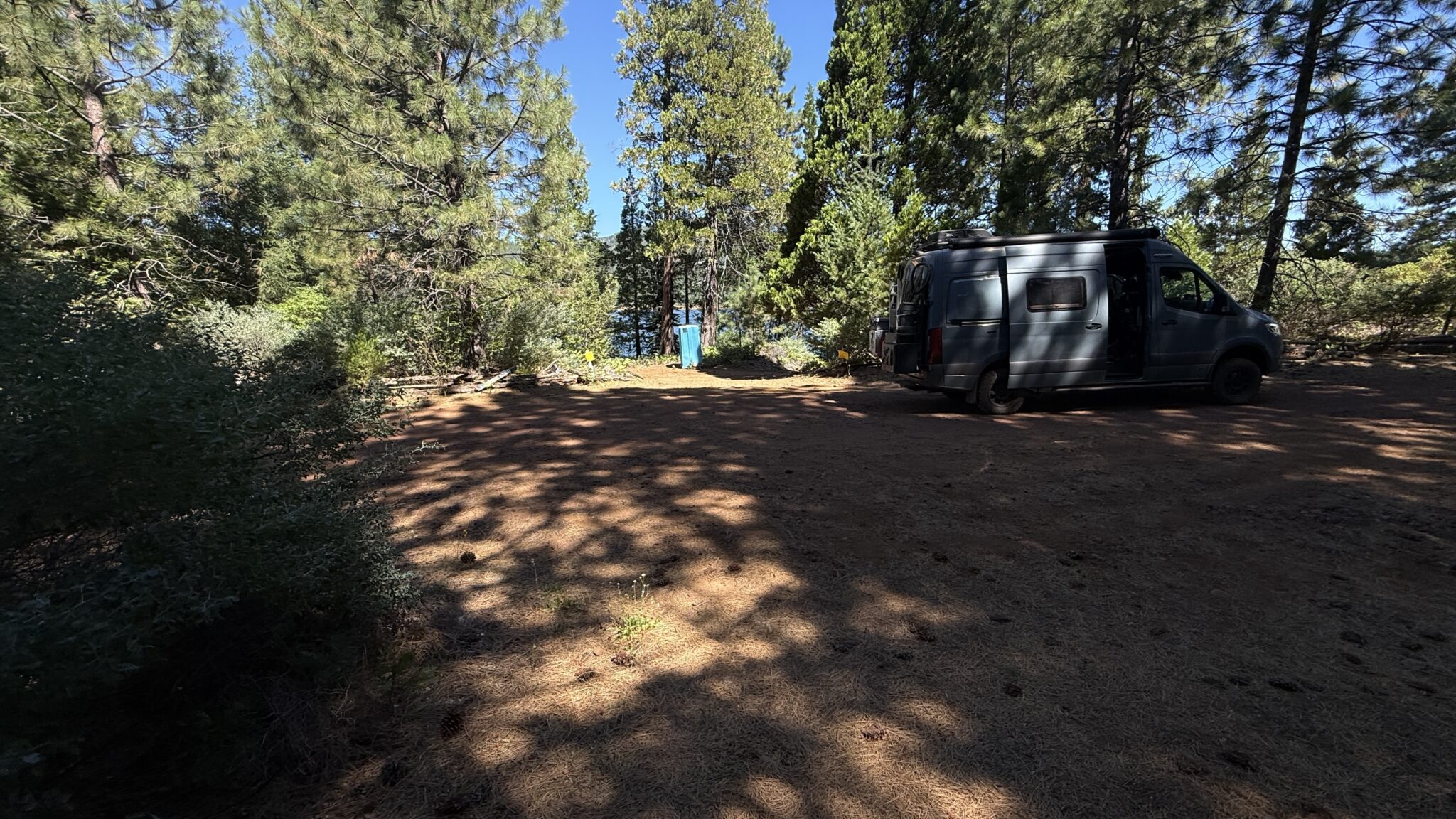
We’ve become experts in the truly important questions in life. How many days will the “Synabego” batteries actually last off-grid? Which campsites get blessed with afternoon shade? Where does Starlink magically work…and where does it stubbornly refuse? What’s the most efficient way to cook dinner in a van without turning it into a smokehouse? Which flies fool the trout, which ponds actually hold fish, where’s the best ice cream in Burney, and—equally important—where’s the cheapest diesel? We’ve also perfected the art of catching a frying-pan-sized trout in the shortest amount of time possible. Priorities. And perhaps the biggest breakthrough of all? Daily hot showers. That single discovery elevated van camping from “rugged outdoor adventure” to “mobile glamping.” Once you’ve had a hot shower after a day on the water, there’s no going back. We’re also learning which rental boats are the best for a windy lake, what gear makes them fish perfectly, and—my favorite lesson every trip—what junk we’ve been hauling around for years that never leaves the storage compartment. Little by little, we’re perfecting the system.
Tuesday morning we pointed the van north. Four hours later, as always, we arrived at the Black Bear Diner for lunch. We’ve been stopping there since our kids were little, and traditions like that deserve to be preserved. We usually order lunch…and dinner to go. Why cook that first night if someone else already has? From there we swung through Cassel to catch a few trout before heading to Bidwell. Unfortunately, the fish apparently had other plans. We arrived around 3:00 and the place looked like someone had declared Trout Witness Protection Day. Not a rise. Not a bite. Not even a fish with enough courtesy to ignore me visibly. After thirty minutes of casting to empty water, I drove over to Baum Lake thinking surely the fish had simply relocated. Apparently they all got the same memo. I managed three small trout for breakfast, but compared to a month earlier it felt like fishing in a swimming pool.
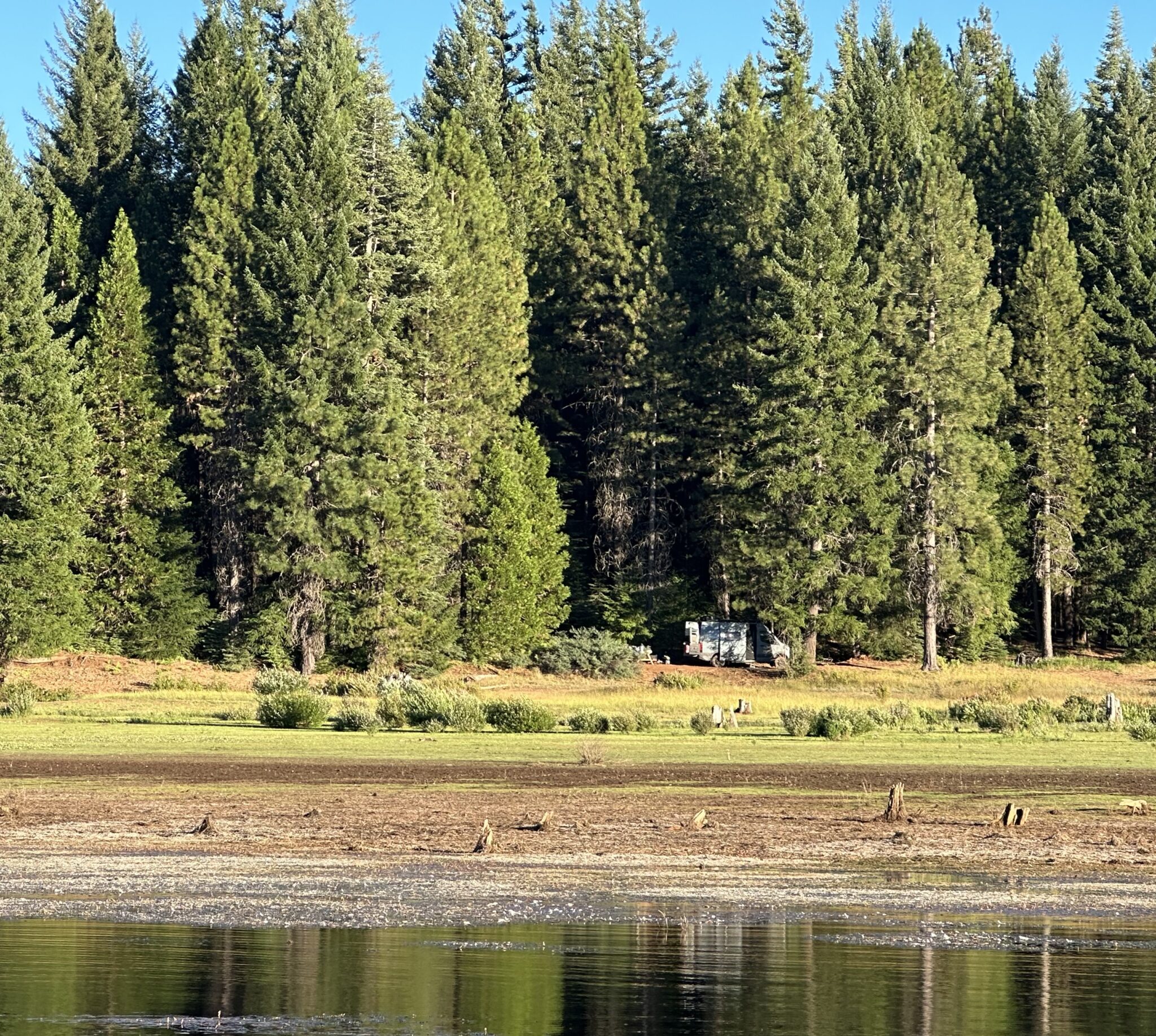
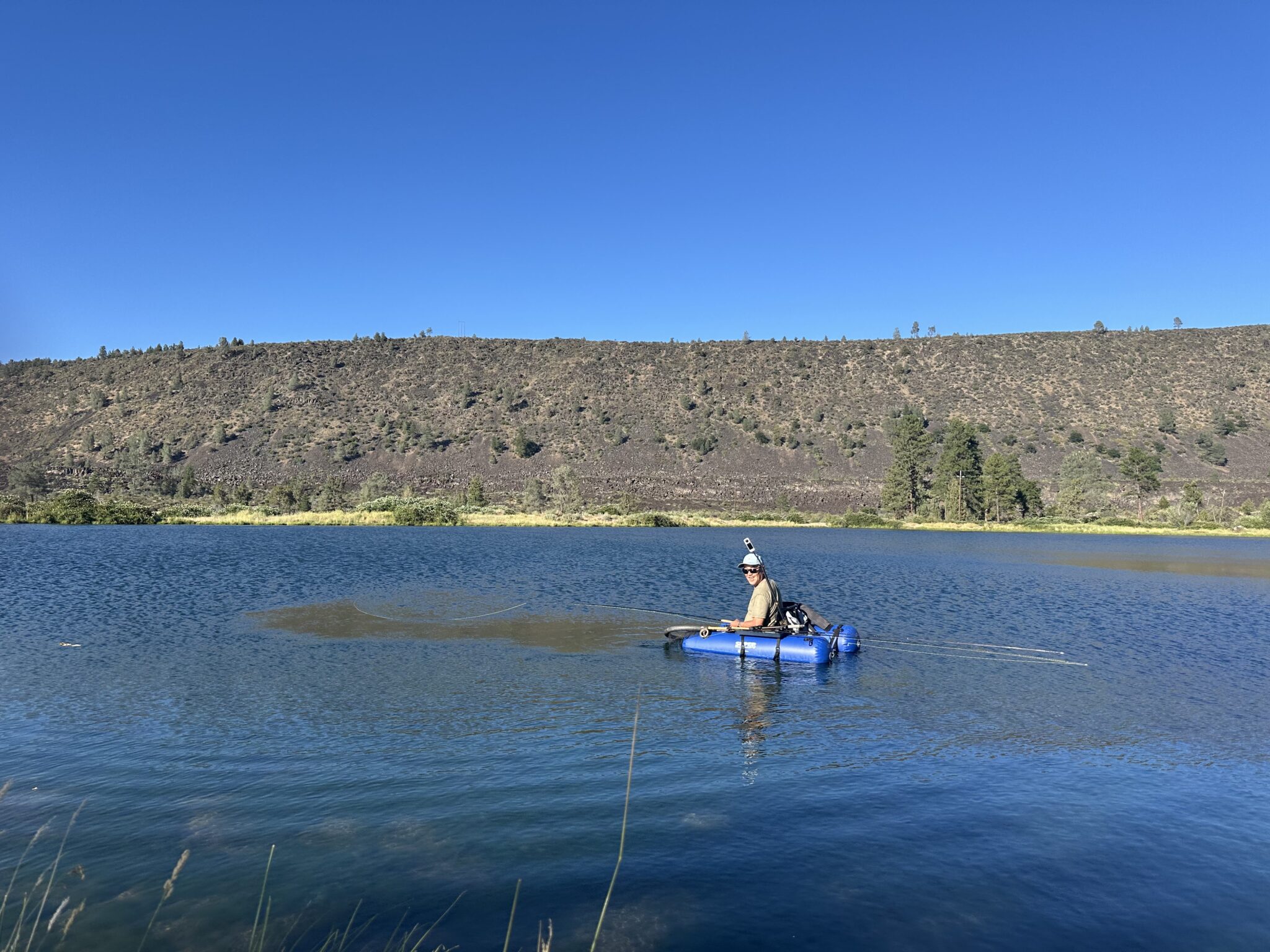
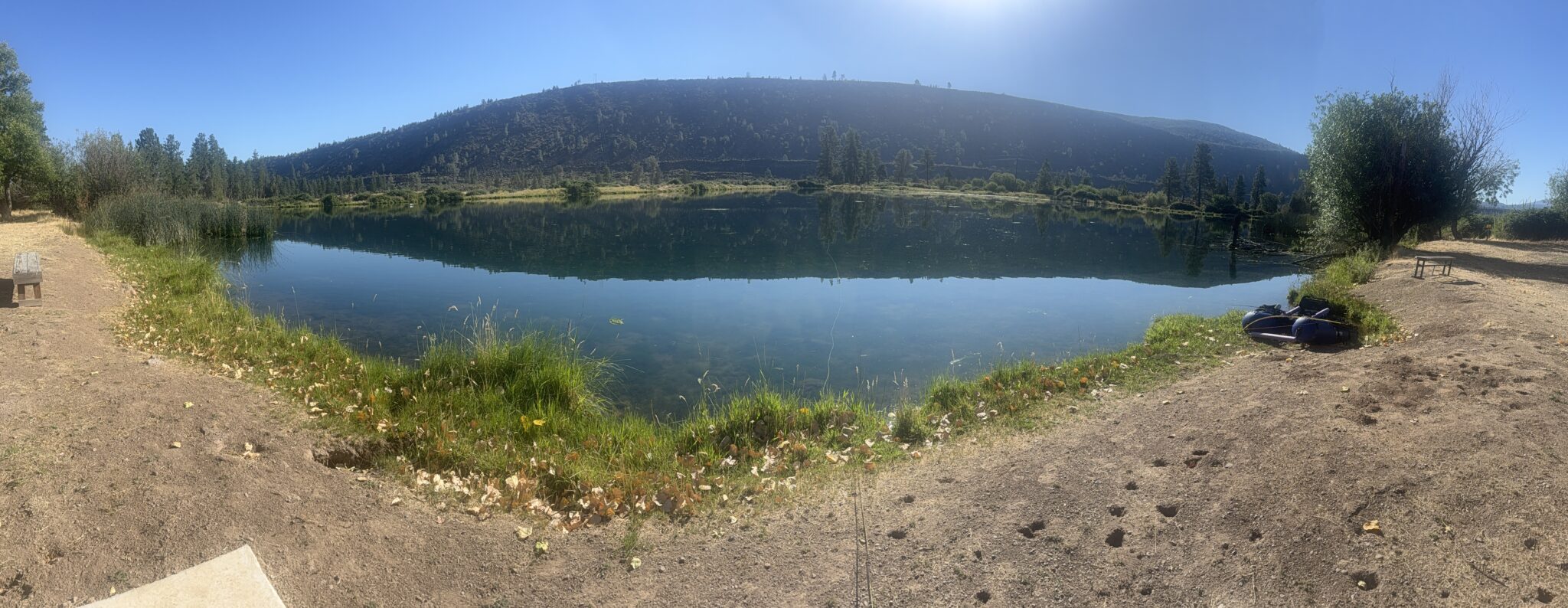
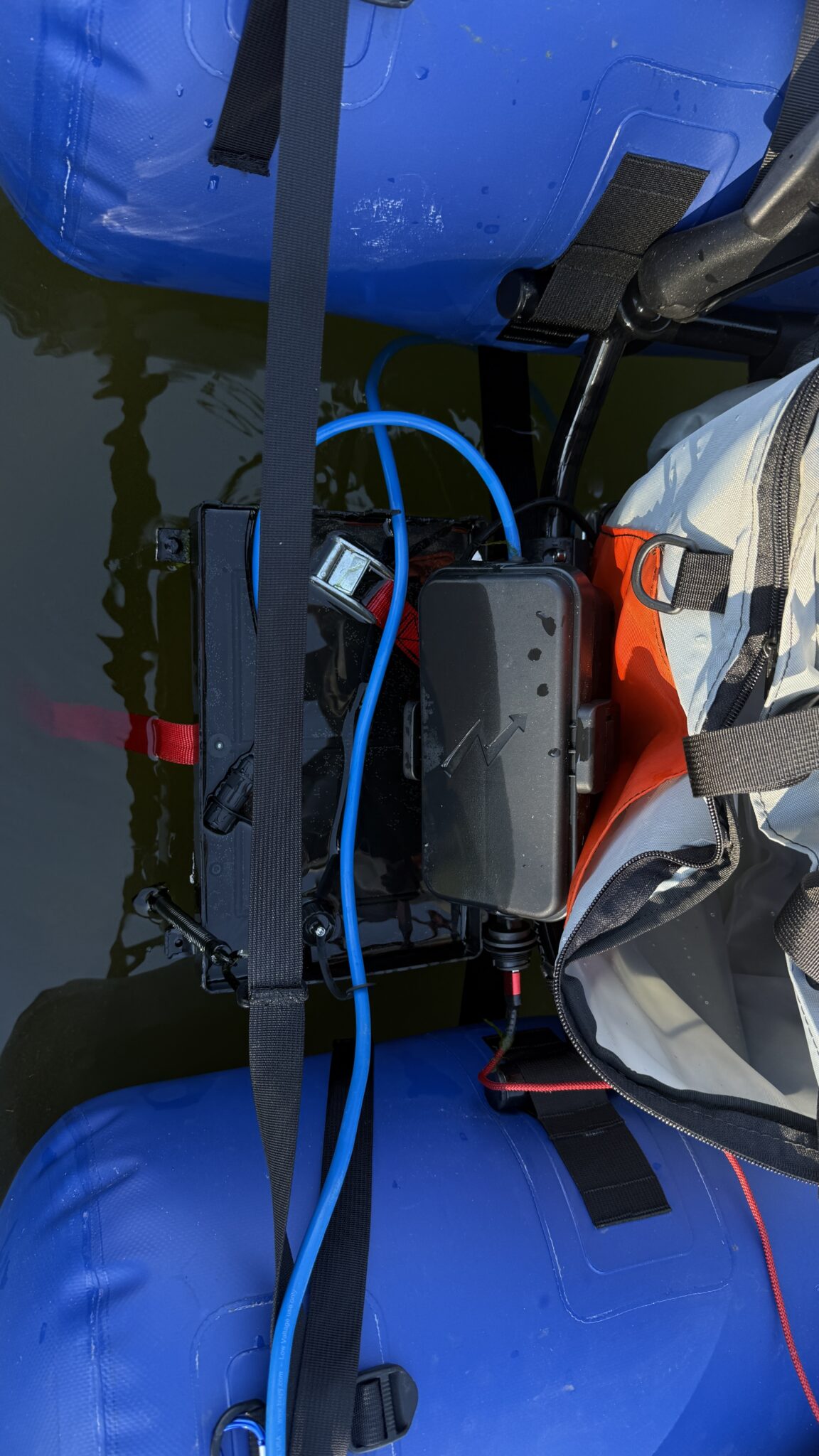
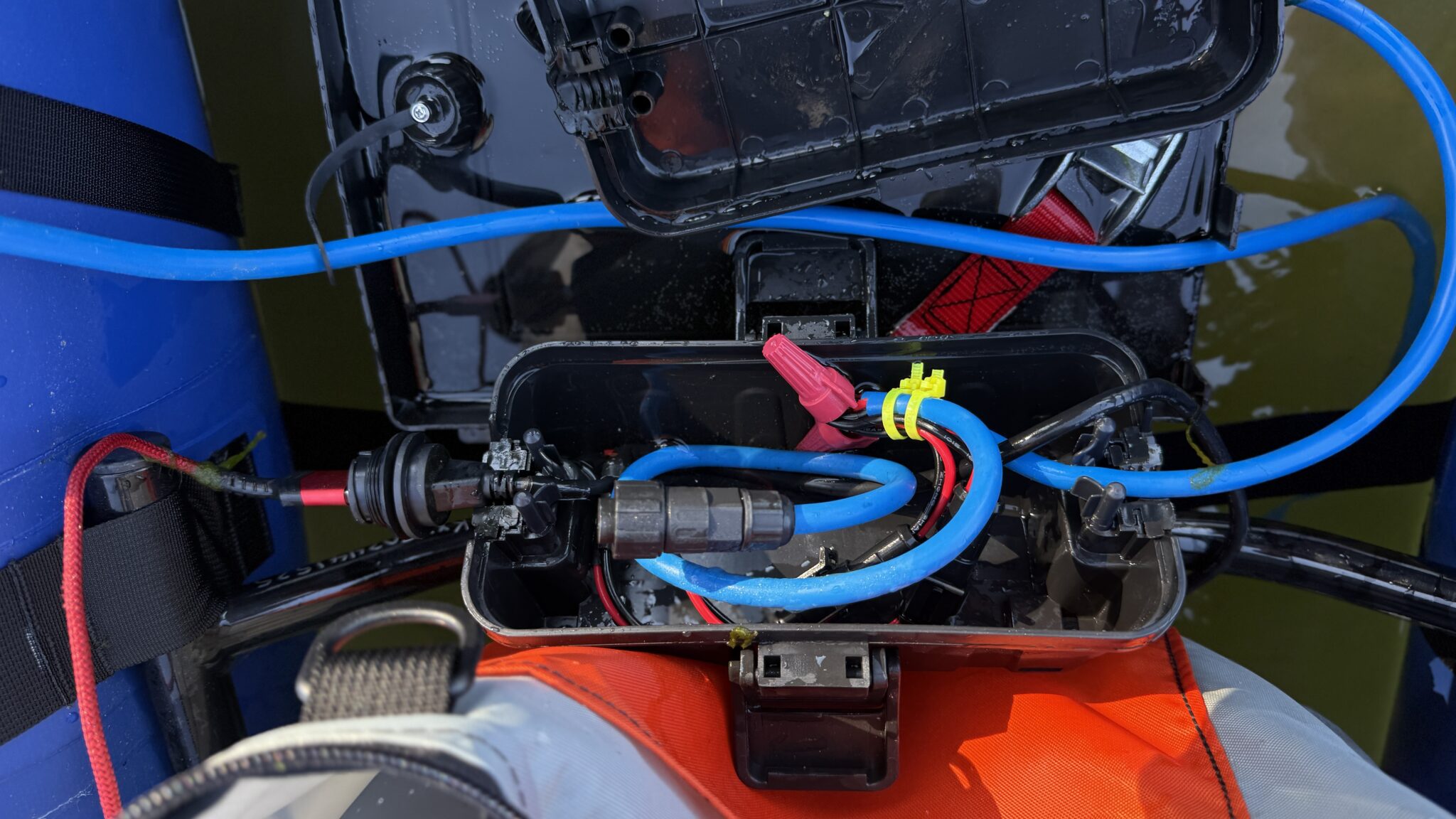
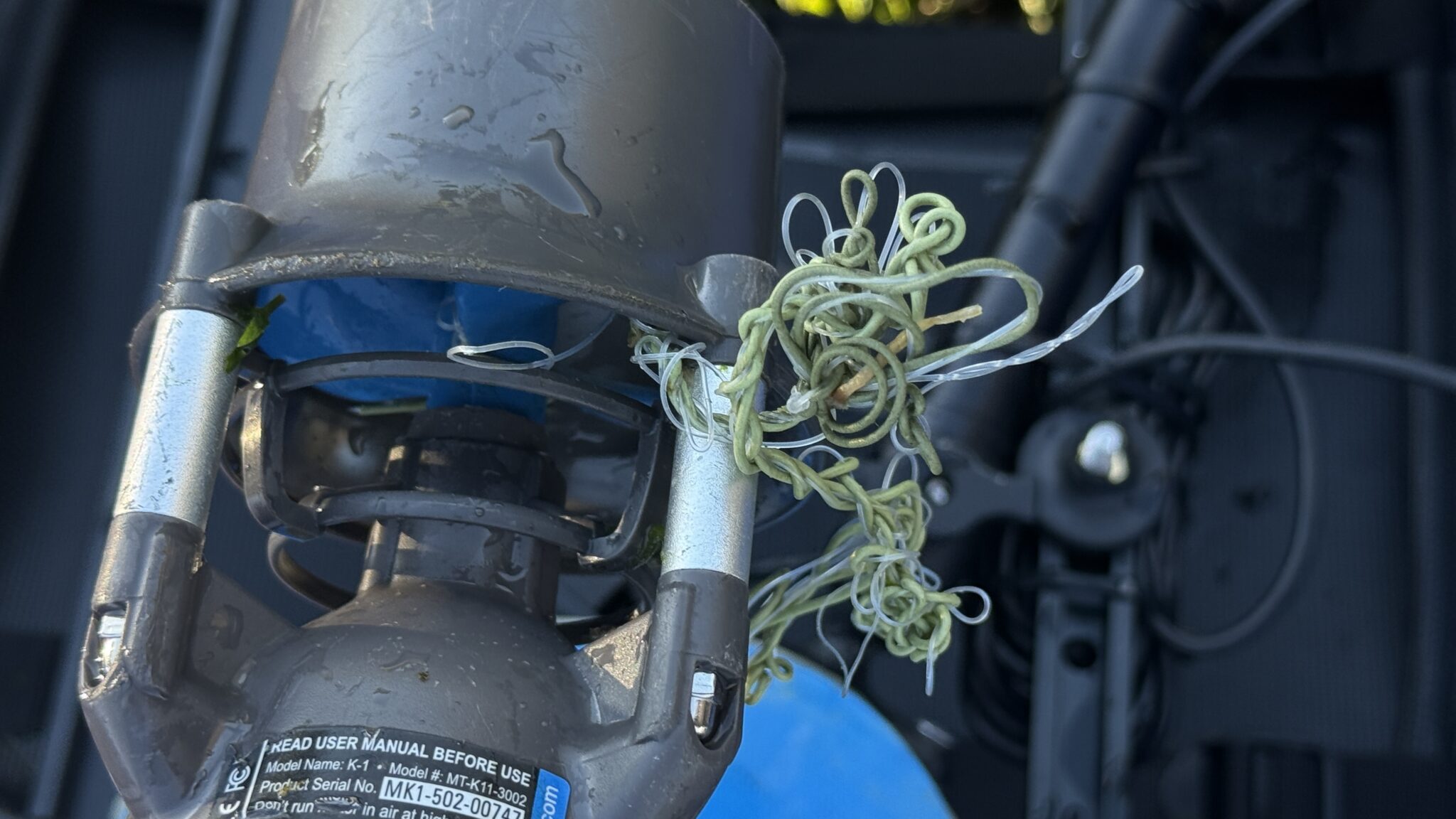
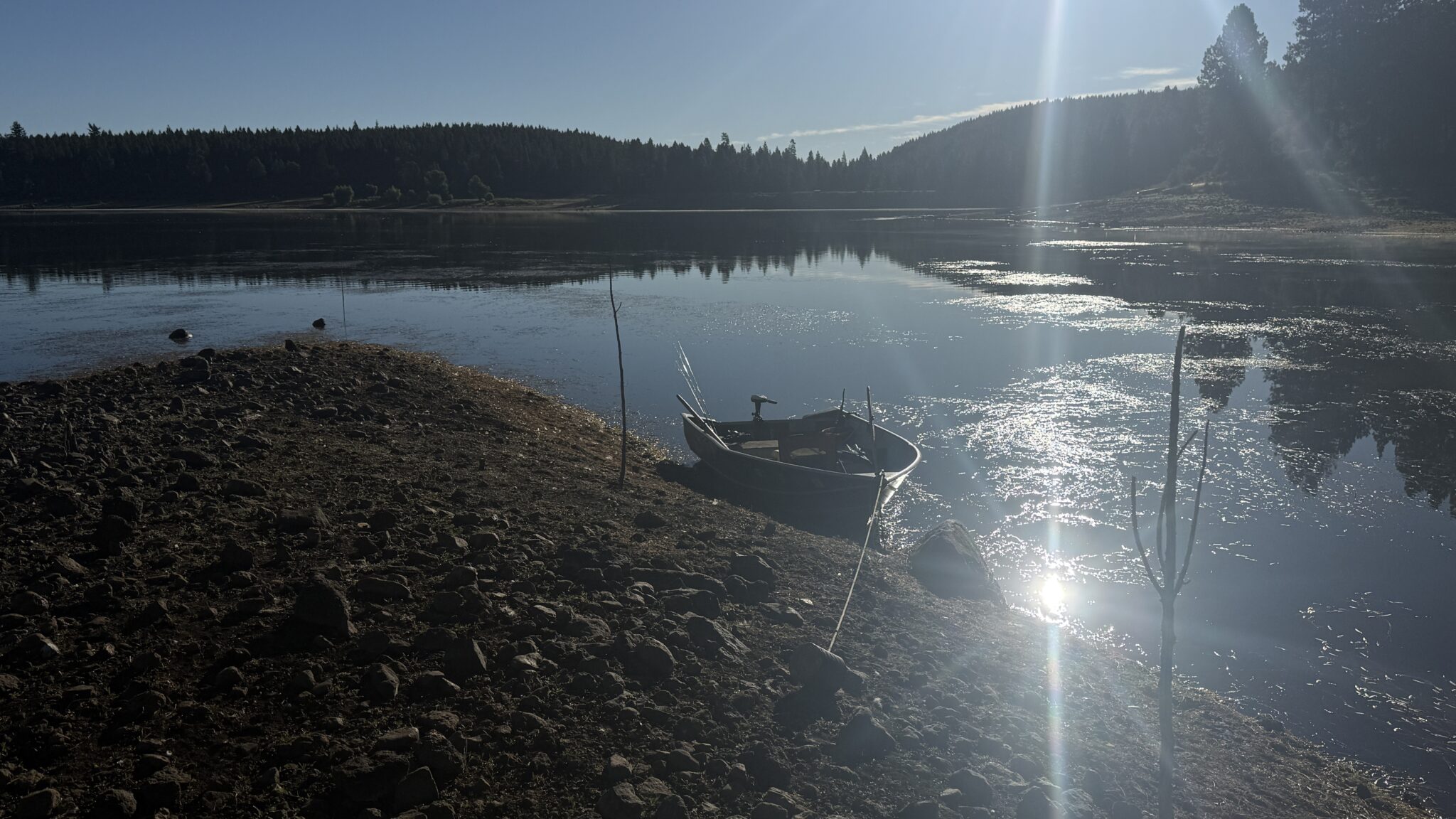
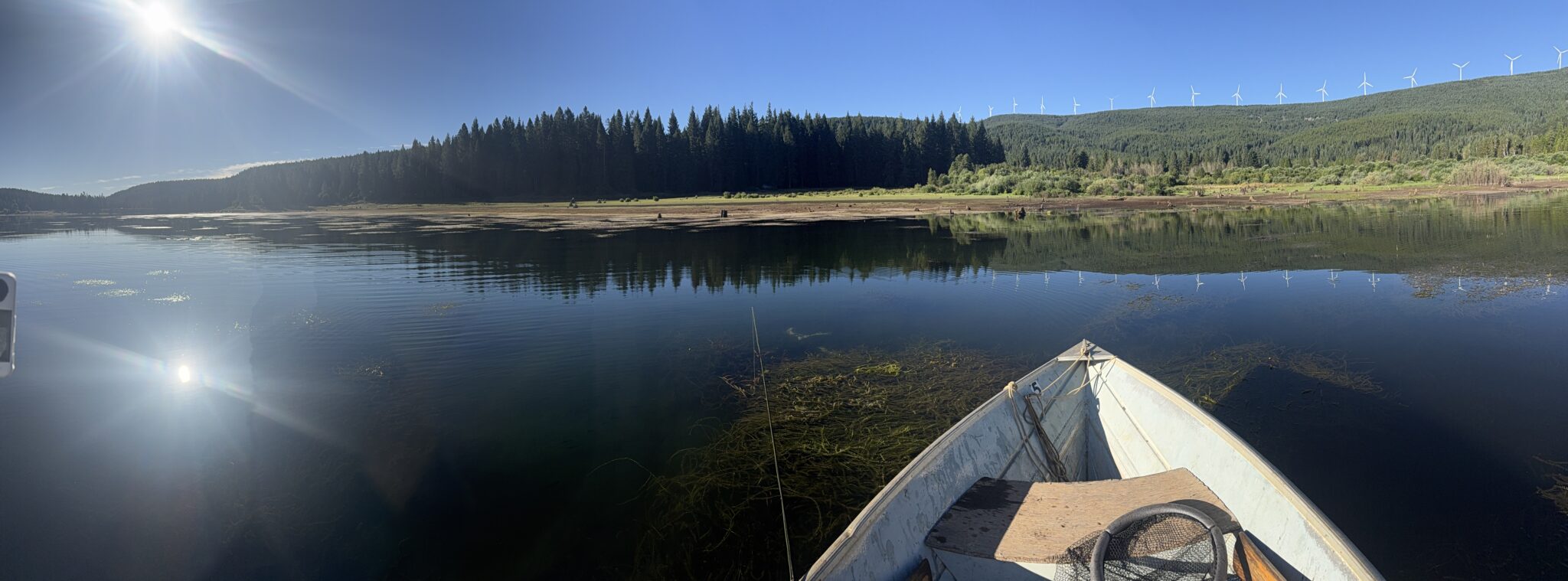
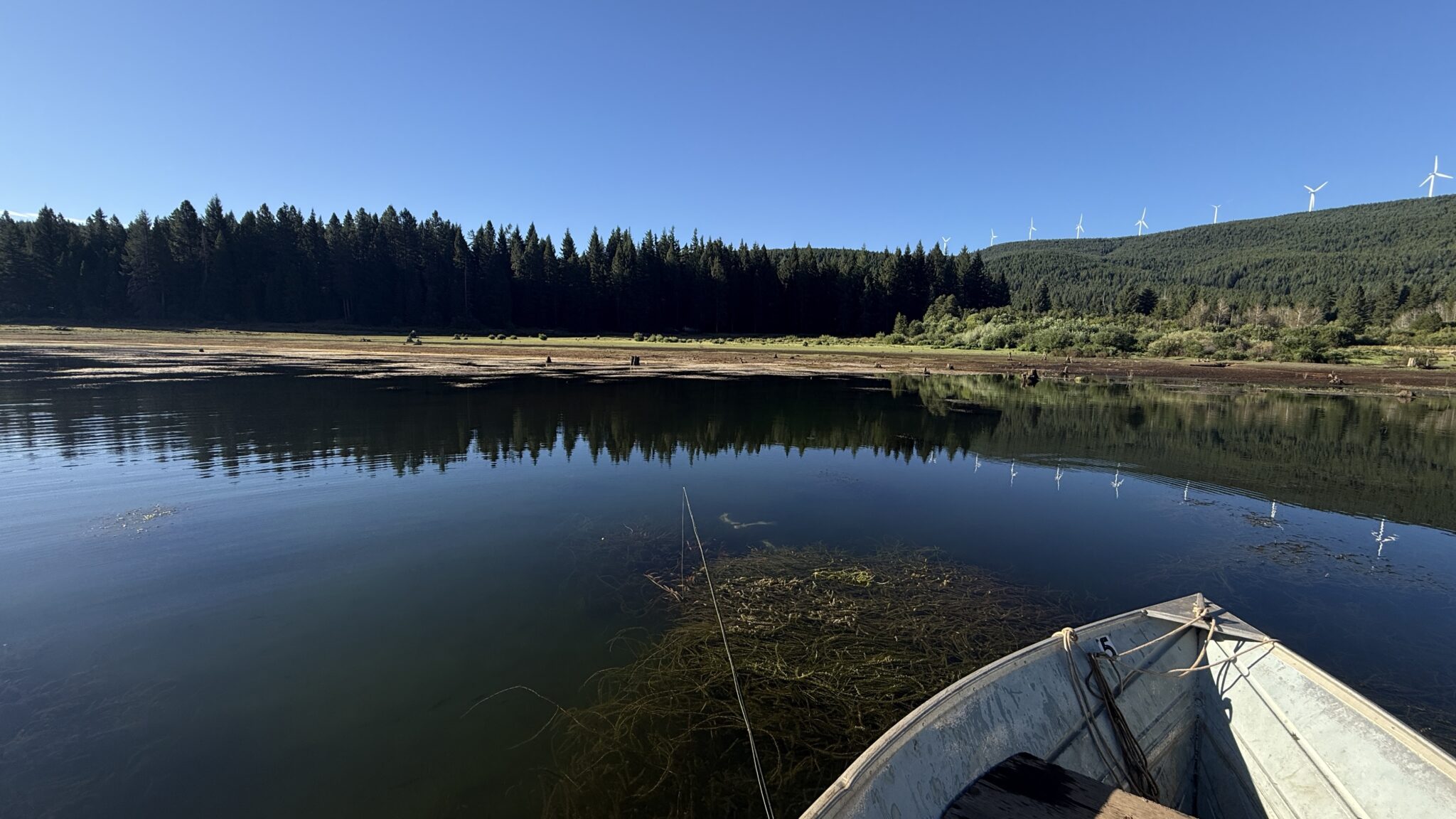
We rolled into Bidwell in time for the evening bite. Temperatures hovered in the low 90s all week with a steady breeze, but the first evening brought some welcome cloud cover. I convinced myself this would trigger a spectacular hatch. Fly fishermen are eternal optimists. I was also excited to launch my newly modified Outcast SuperCat. That’s when I realized I’d forgotten my fins. Fortunately I’d mounted a Bixpy electric motor, so I figured, “How hard can it be?” Turns out…pretty hard. The motor was fantastic for getting around the lake, but terrible for actually holding position and fighting fish. Trying to turn into the wind without fins is like trying to parallel park a shopping cart. Lesson learned: fins aren’t optional—they’re essential. The maiden voyage also exposed a few engineering flaws. My battery box and electronics sat a little too close to the waterline, so those will need to be raised. The SuperCat frame rides low, and I prefer sitting higher, so a six-inch foam seat is already on order. Then there was the stripping basket. The factory mesh basket hangs in front of the tube with Velcro, making it surprisingly effective at preventing the fisherman from getting in or out of the tube. Even better, my fly line wrapped around the propeller twice. Nothing says “high-tech fishing” quite like drifting to the shoreline to flip the tube on its side to untangle fly line from an electric motor. I think a wearable stripping basket is the answer. Other than those minor engineering setbacks, the SuperCat performed beautifully. I honestly think I’m done buying float tubes for the rest of my life.
The fishing wasn’t bad either. I landed six trout that evening on chironomids suspended about six inches beneath an indicator. Fish were occasionally sipping invisible bugs off the surface, but my trusty size 18 Missing Link might as well have been tied on with Christmas lights. They completely ignored it. The next day I worked the shoreline from the tube with Prince Nymphs, chironomids, and every “junk fly” I had confidence in. By day’s end I’d caught about a dozen fish, including one around seventeen inches. Dry flies, however, continued to humble me. During lunch, fish suddenly started rising right in front of camp. I grabbed my rod, sat on the bench like a hopeful heron, and proceeded to throw everything from size 18 down to microscopic size 24 midges on 6X tippet. Nothing. Maybe they were feeding on daphnia. Maybe they were eating something I couldn’t see. Maybe they were just messing with me. That’s really the charm of Bidwell. Beautiful uncrowded campsites. Hot showers. Selective trout with PhDs in fly inspection.
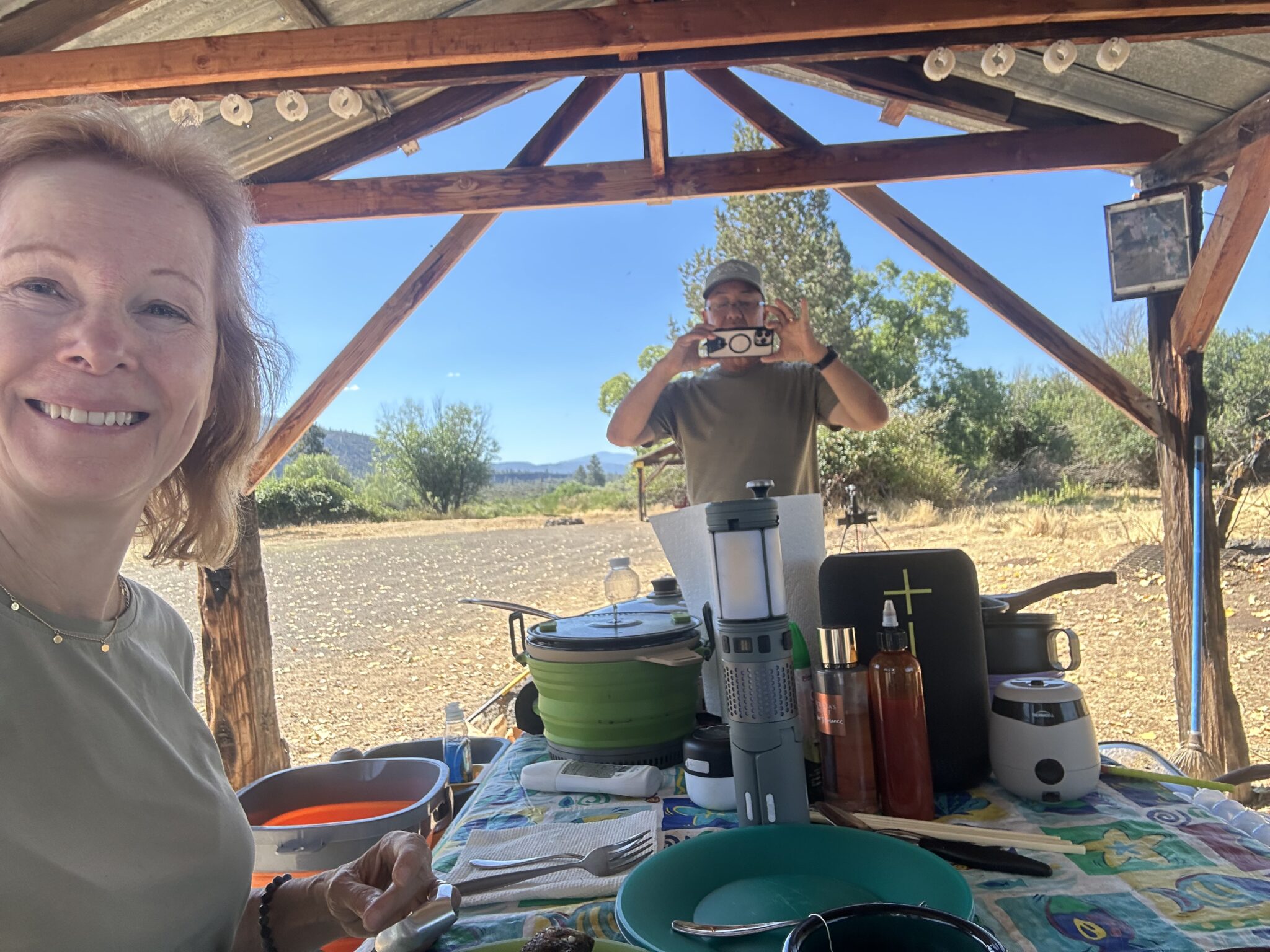
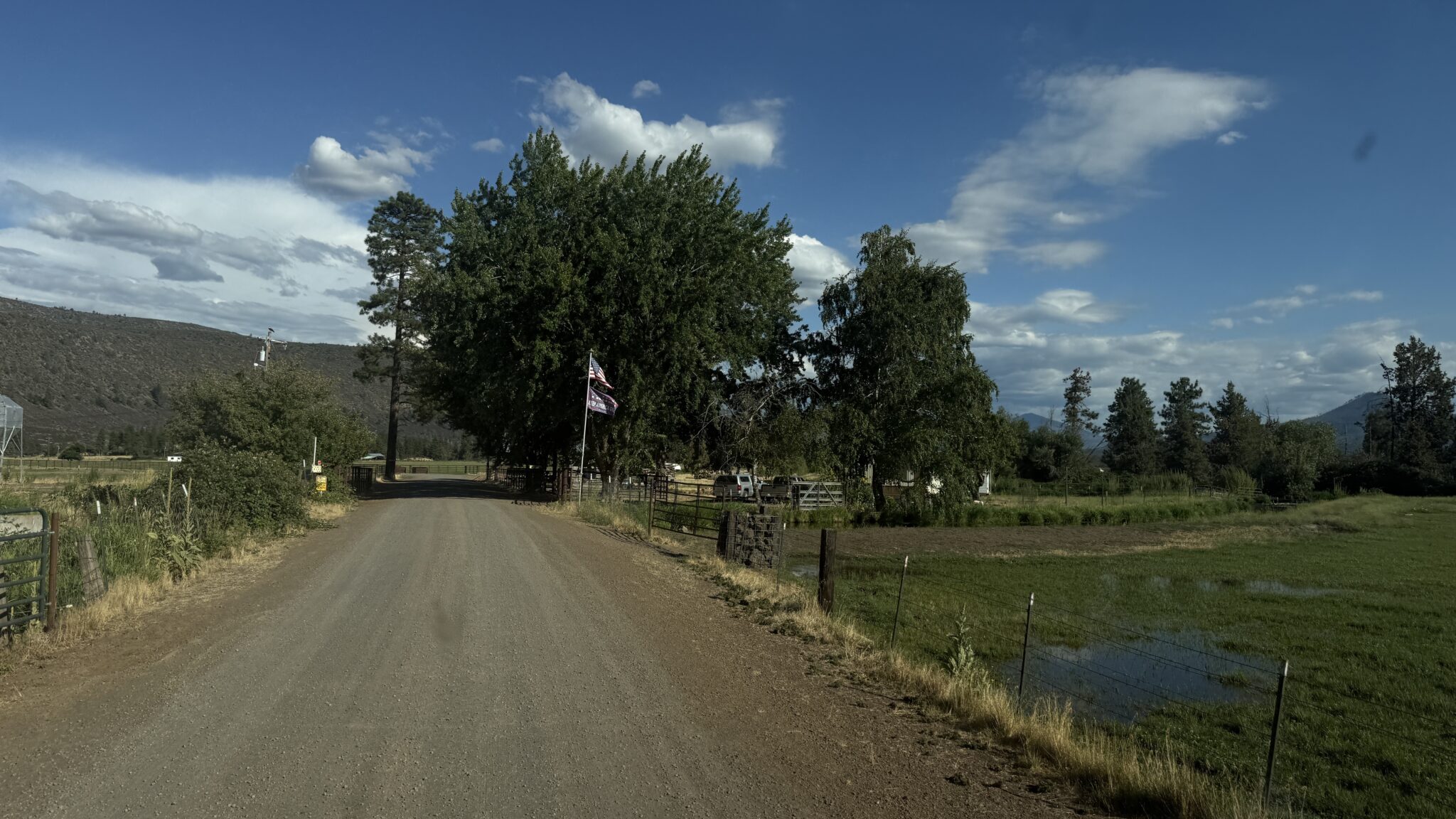
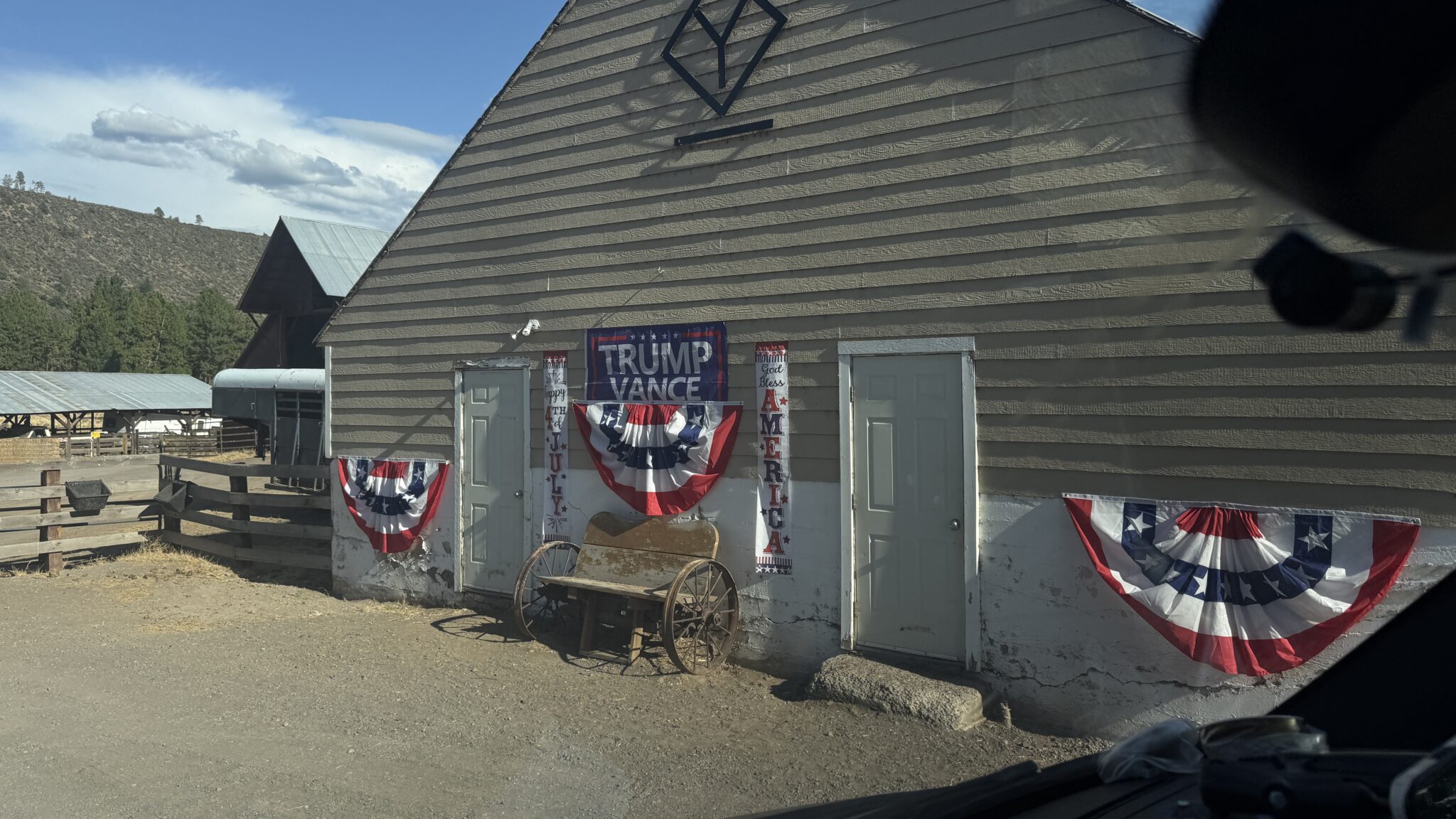
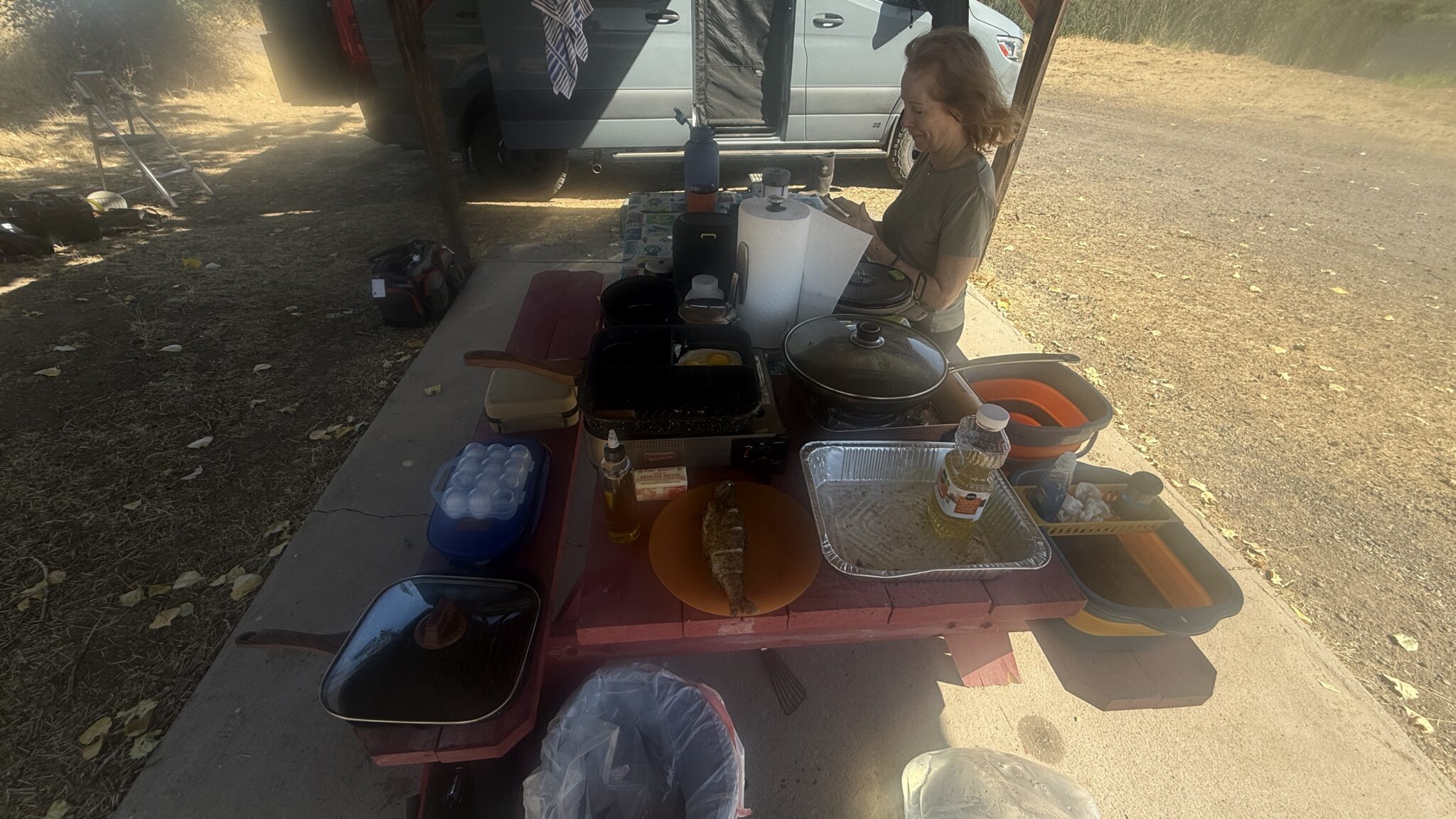
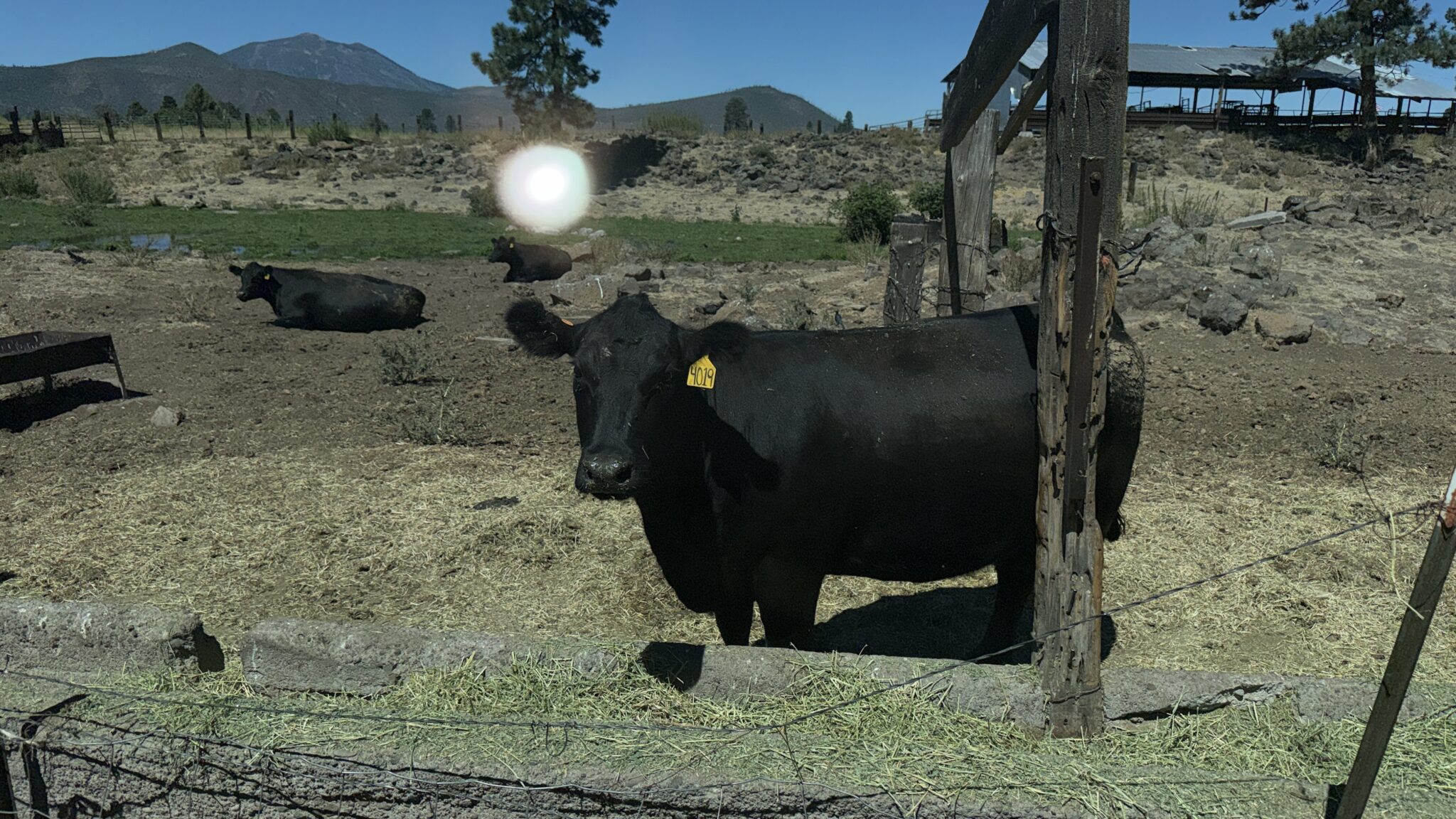
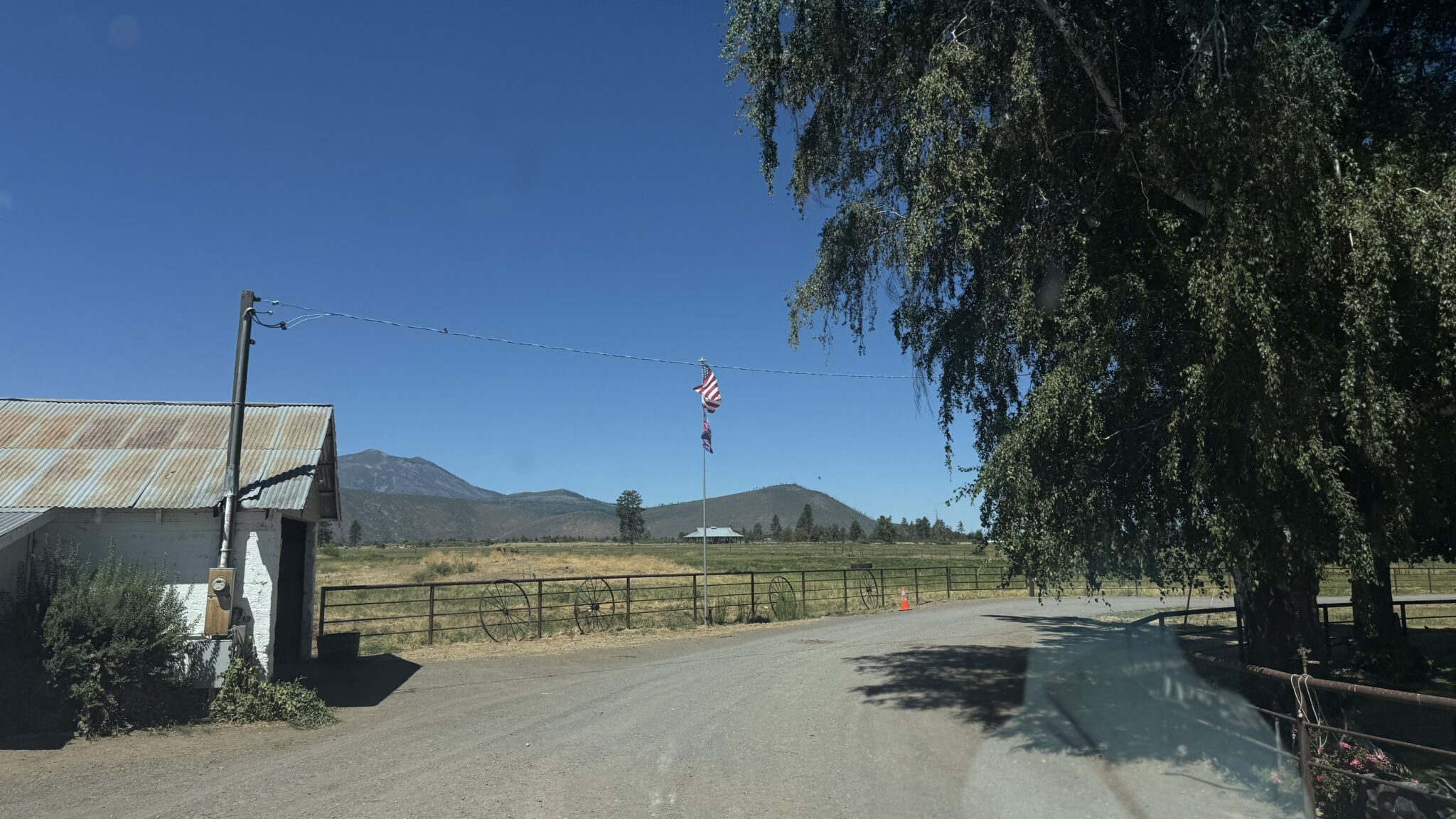
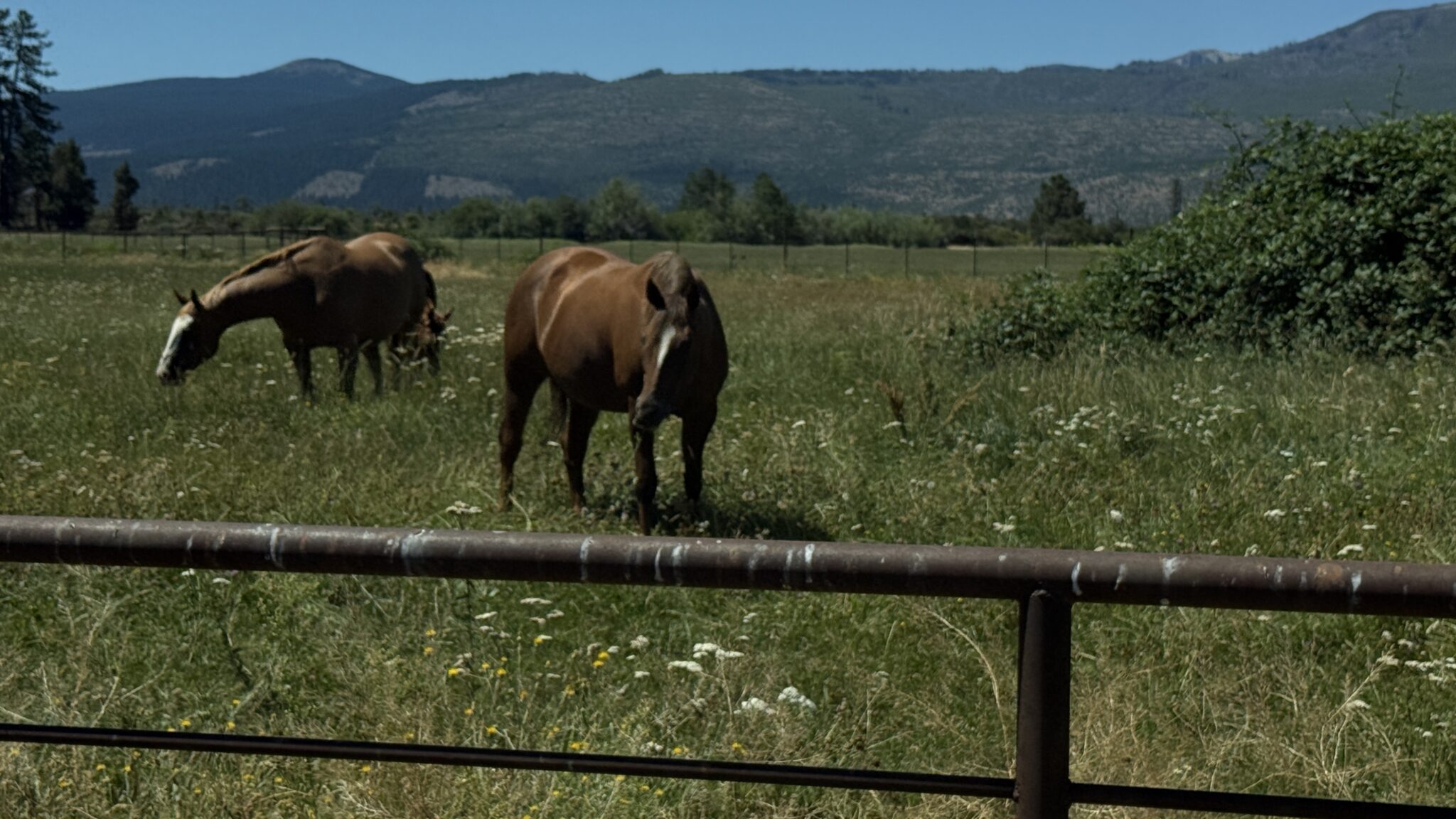
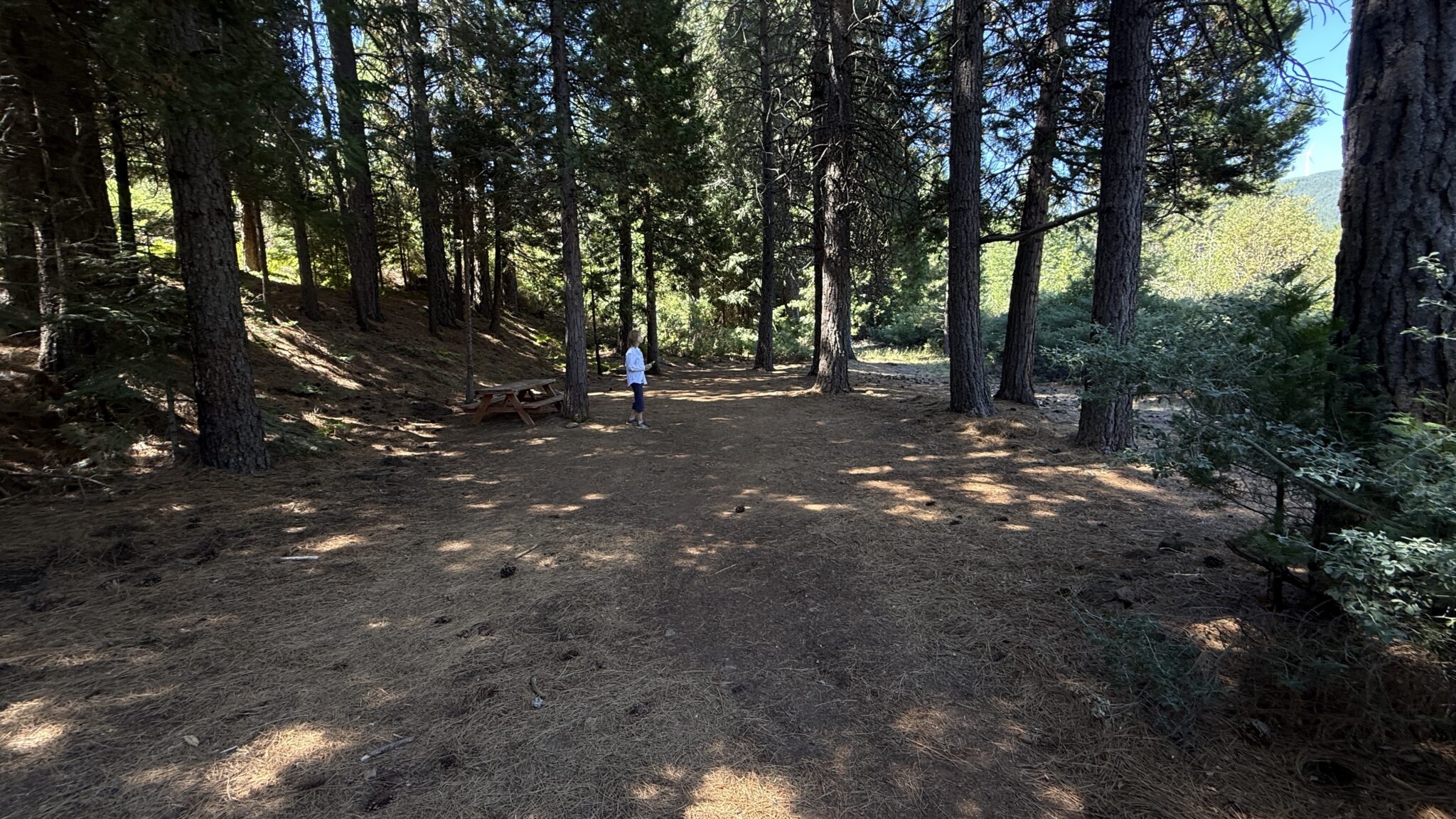
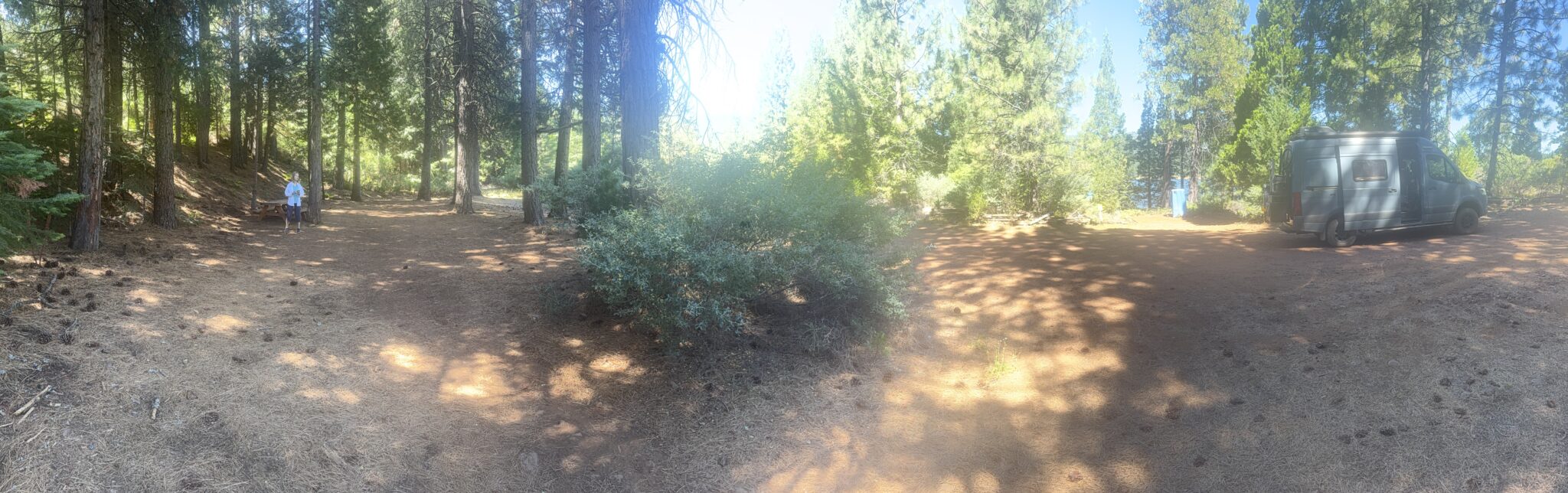
That afternoon Gina spent some time chatting with ranch owner Mark Bidwell. Since he’s also a grandfather, I think he genuinely enjoyed hearing that we’ve been bringing our family there for over thirty years. He also let us know it’s perfectly fine to keep a trout or two for dinner, which means breakfast no longer requires a side trip to Cassel. Camping on a working ranch is something special. It feels like stepping onto the set of Yellowstone—minus Beth and Rip. Cattle graze around camp, sheep wander by, and watching the ranch dogs expertly herd livestock is entertainment all by itself.
The following day we headed forty minutes east to Lake Margaret. As usual, we stopped in Cassel to dump the trash and see whether any trout were rising. Instead, we stumbled onto perfect timing. A California Department of Fish and Wildlife hatchery truck was actively stocking trout right at the campground entrance. Jackpot.
I climbed out and chatted with the driver, who told me he’d just released 1,400 trout into the system. A couple of campers were already soaking PowerBait while schools of freshly stocked fish cruised the canal looking thoroughly confused about their new address. I made a few casts, but they hadn’t settled in yet. Freshly planted trout need a little time before remembering they’re supposed to eat. So we did the sensible thing. Lunch in Burney followed by ice cream at the Alpine.
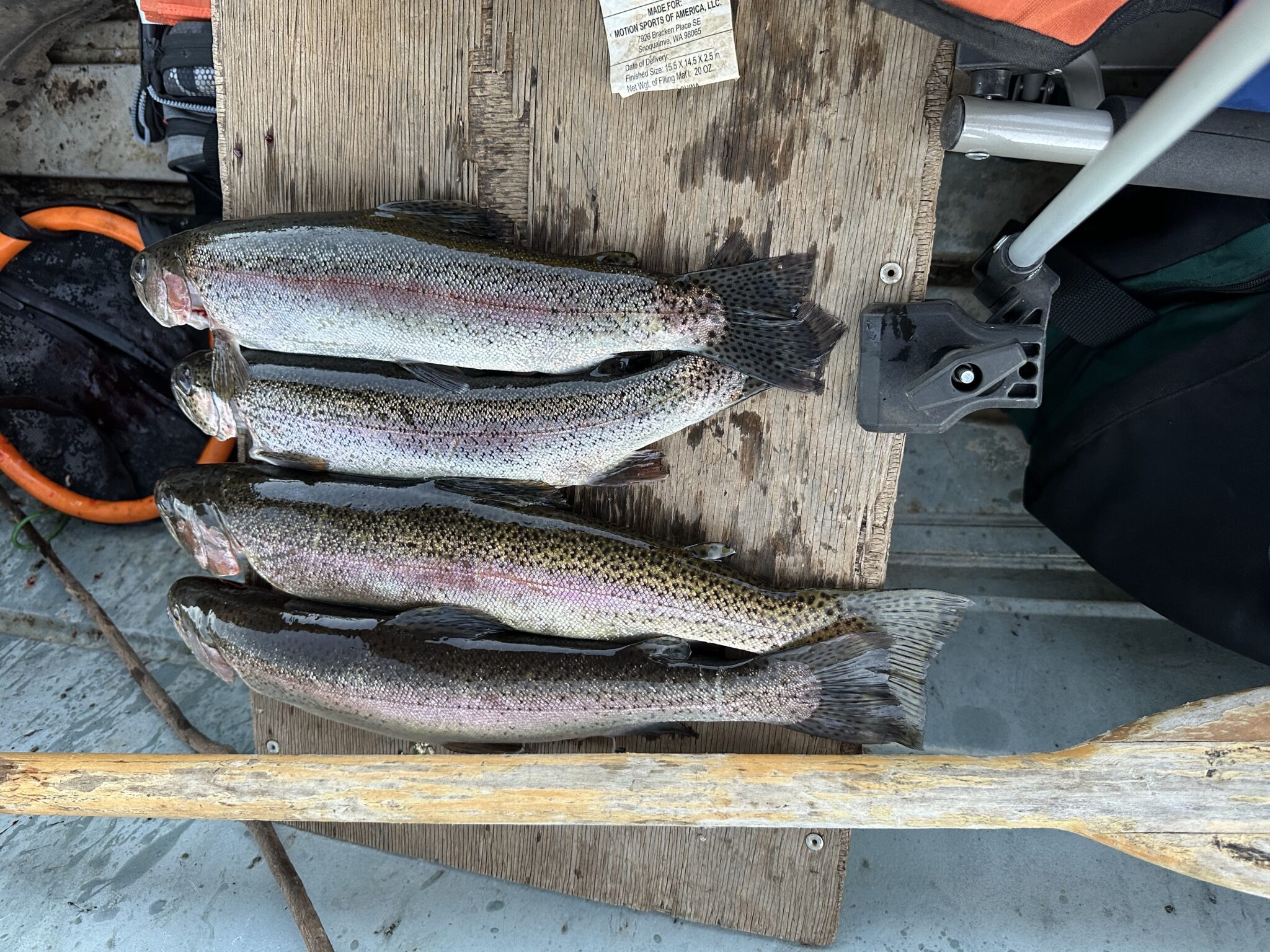
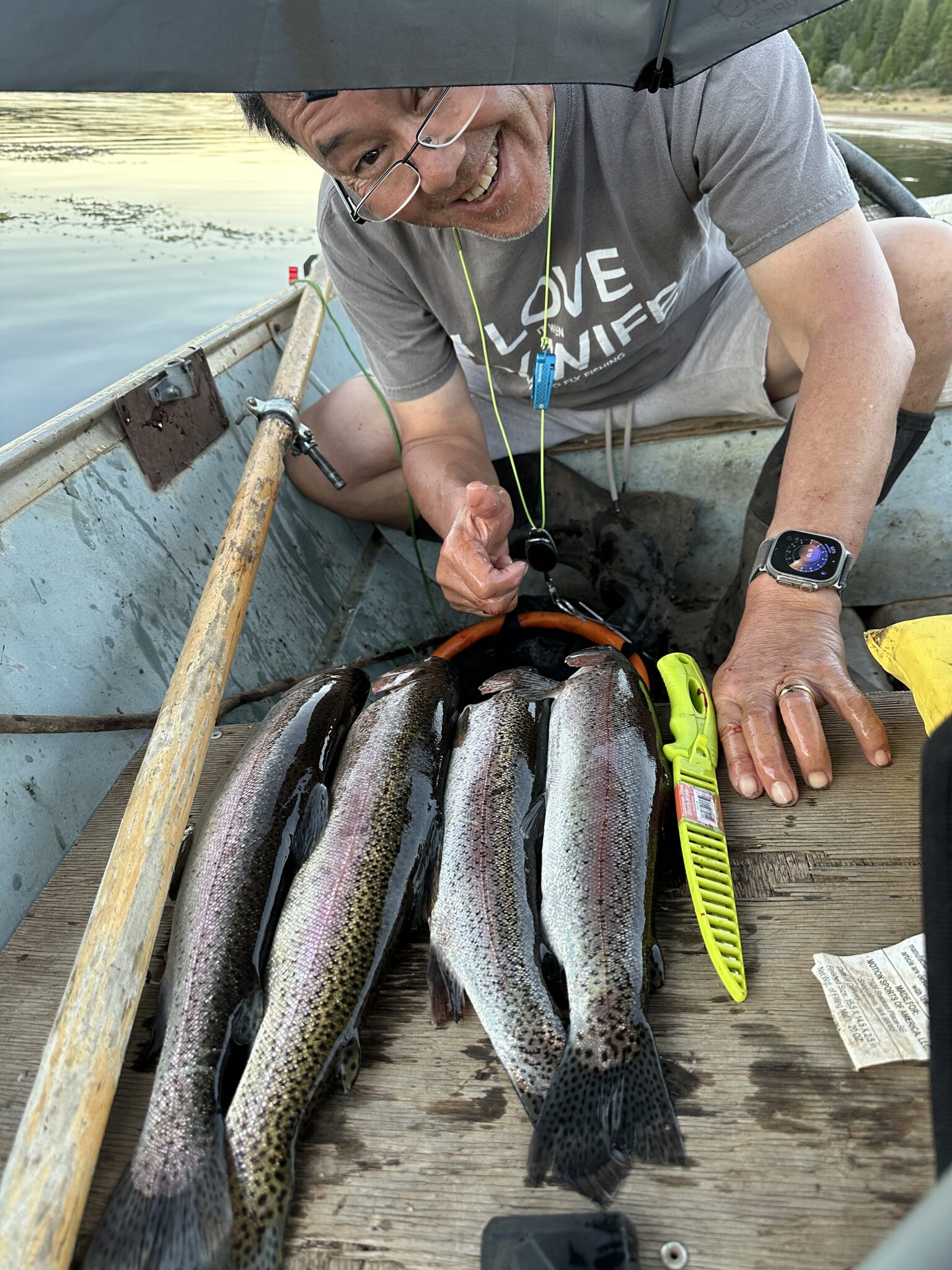
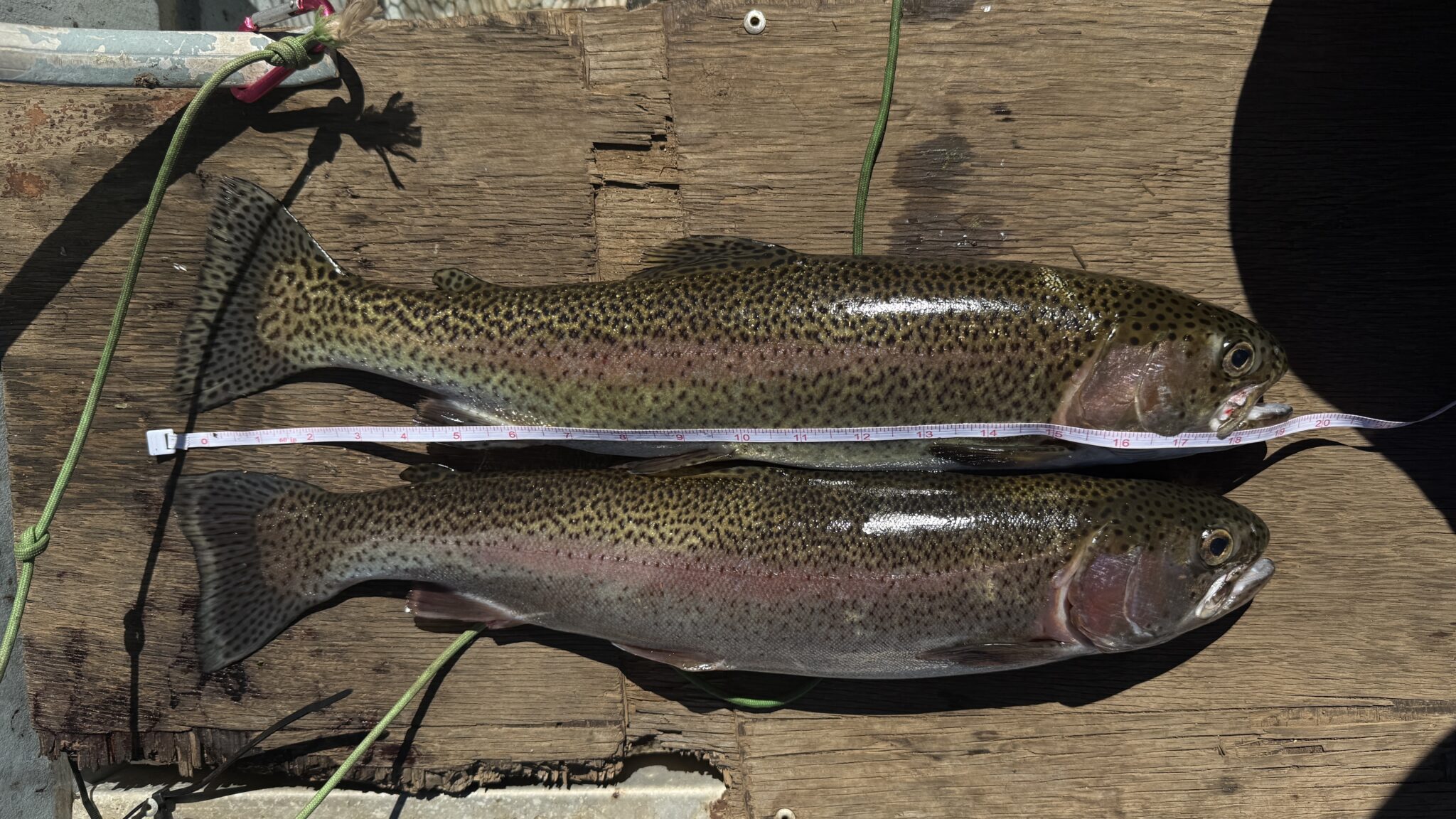
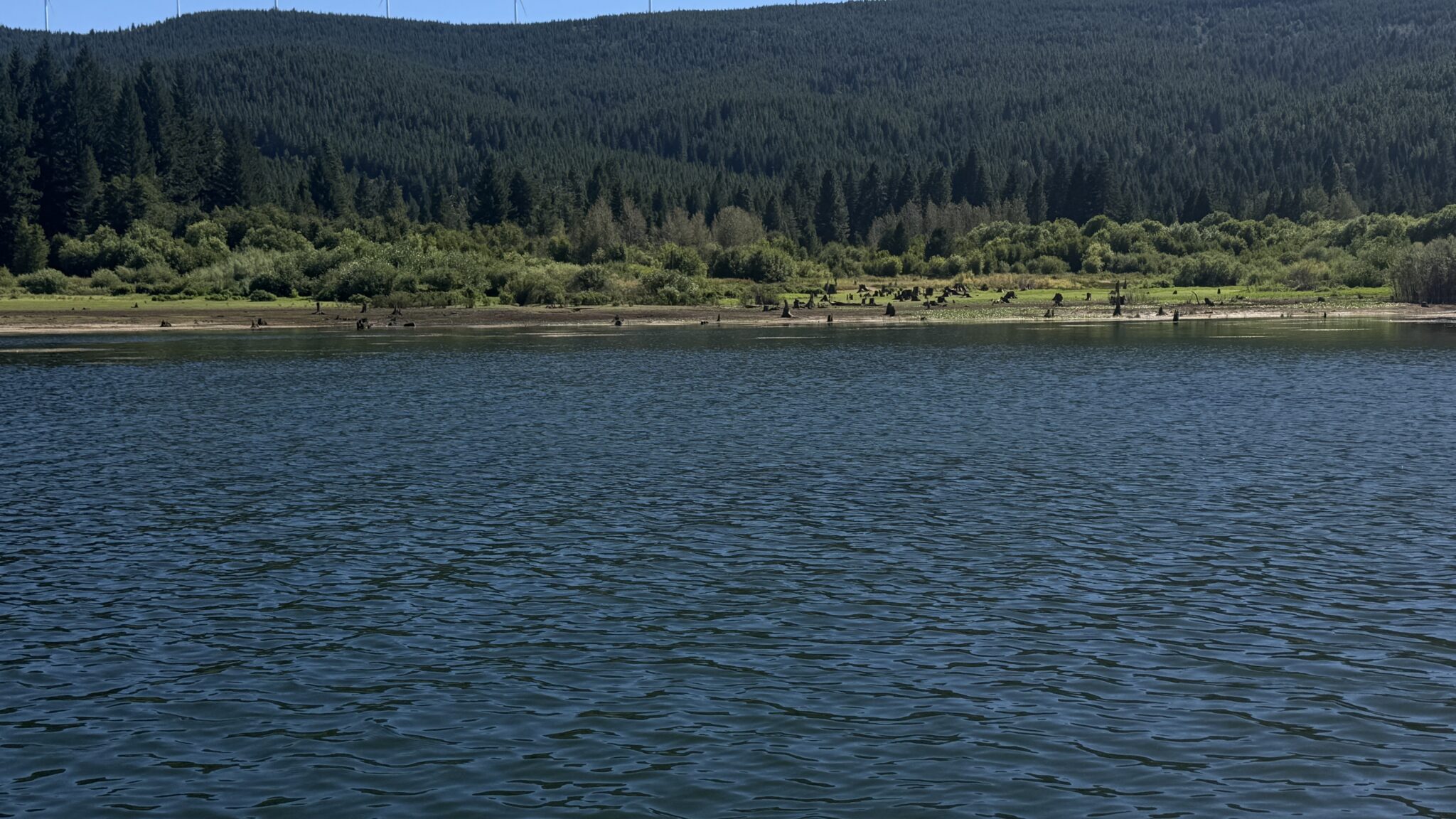
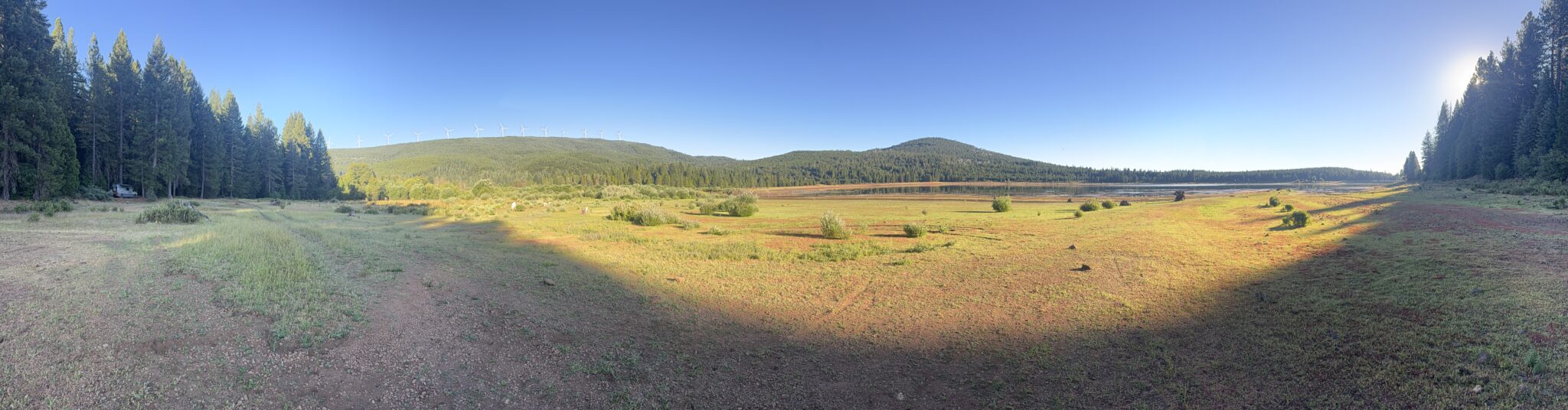
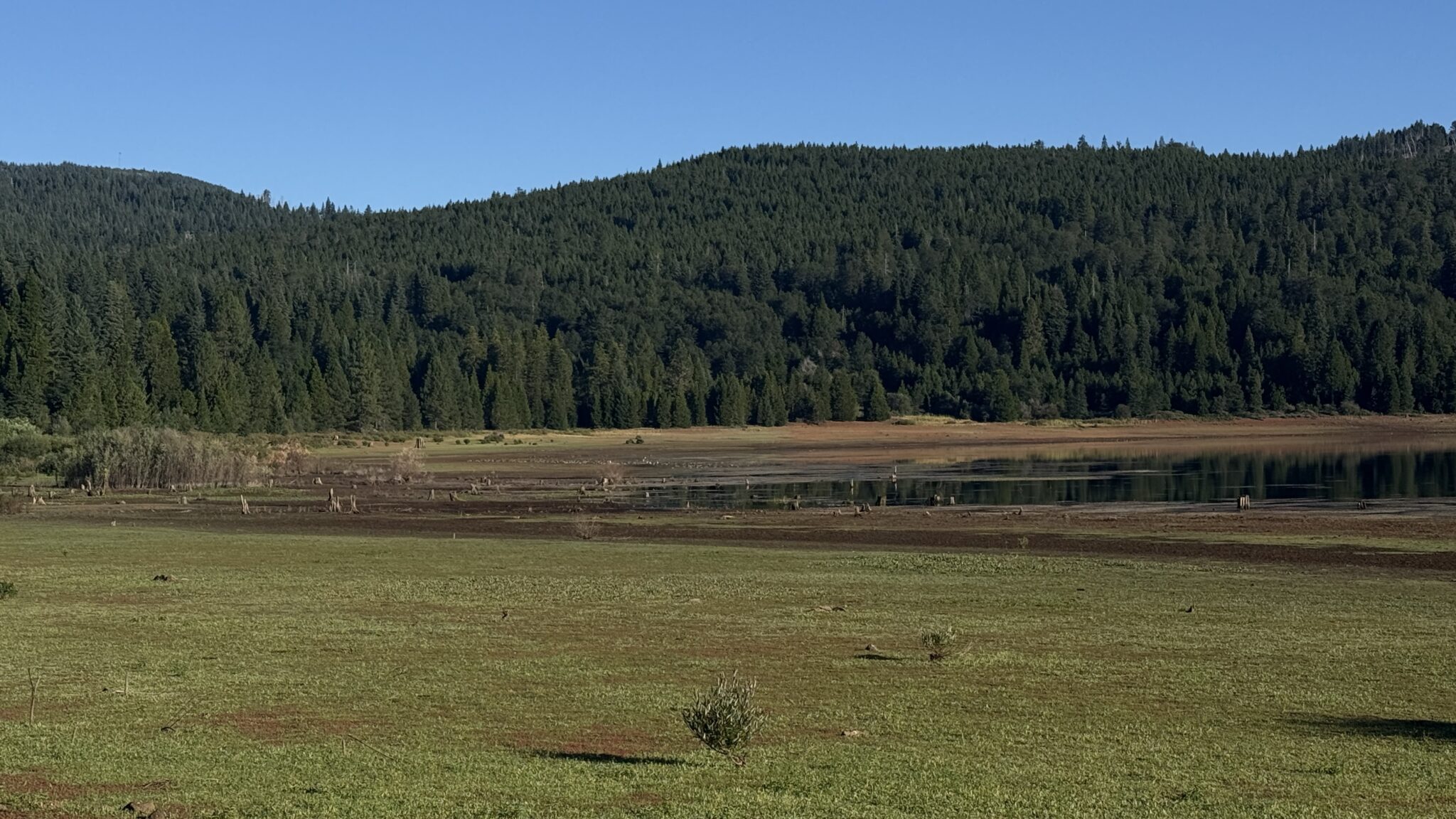
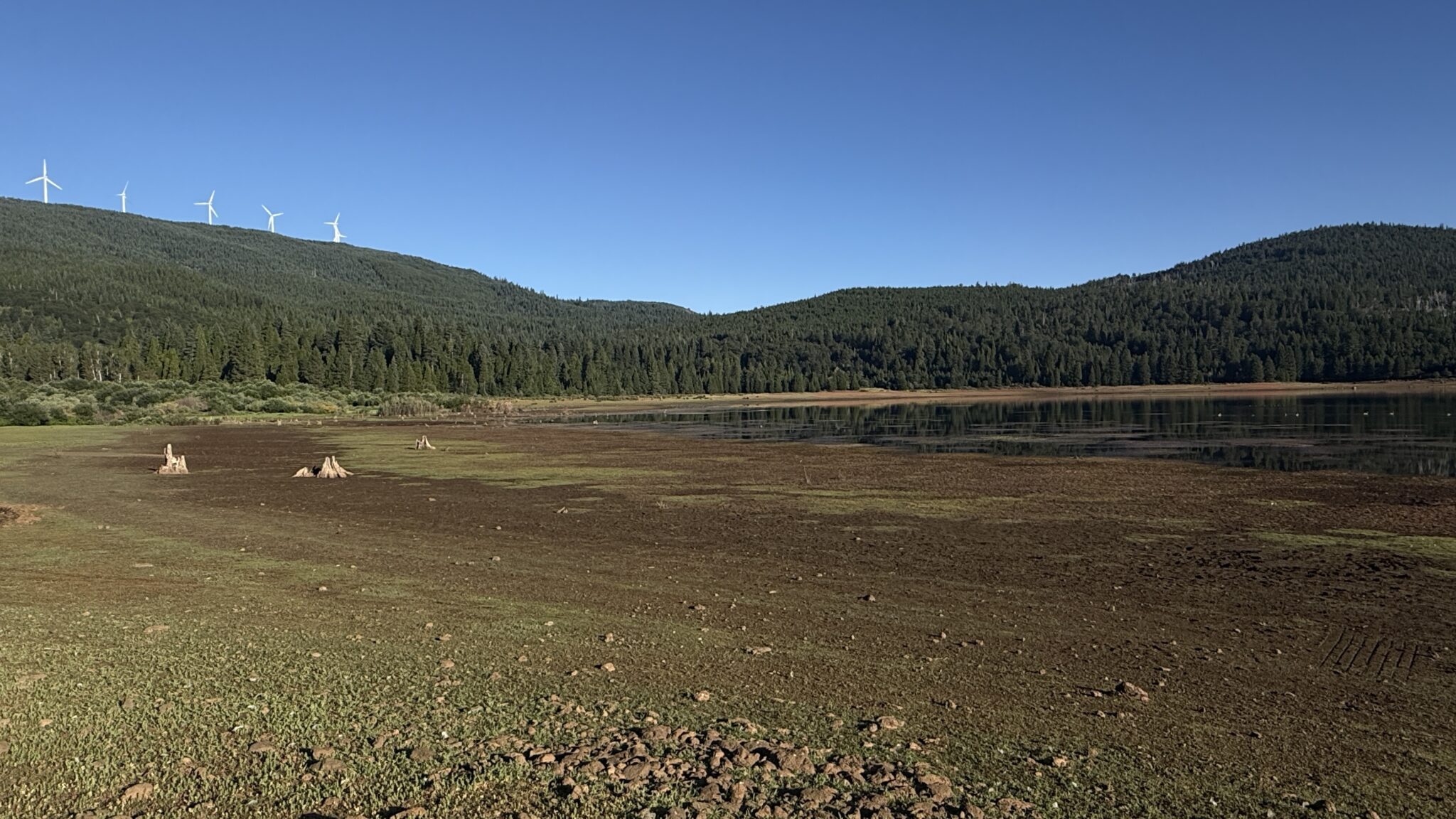
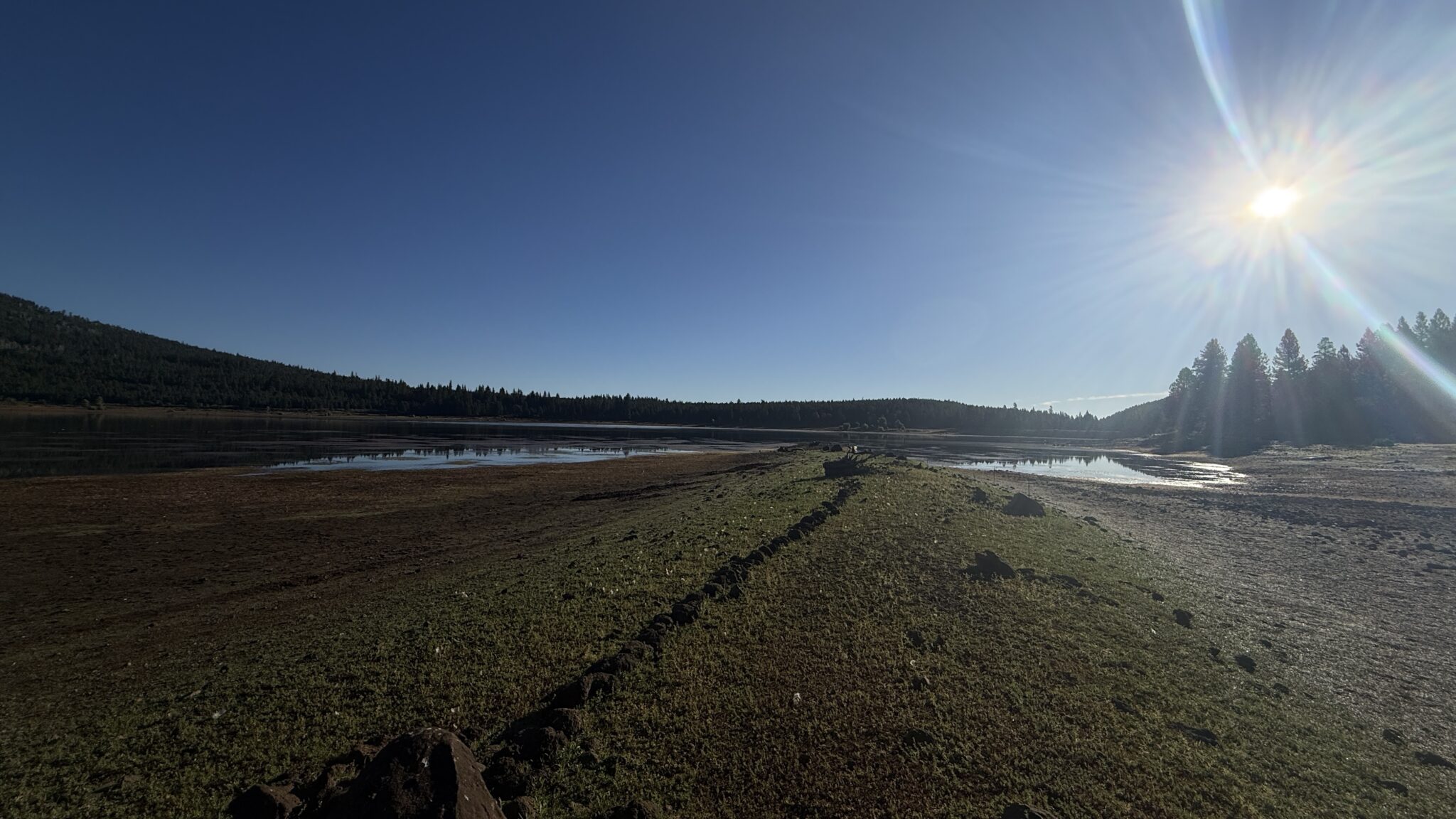
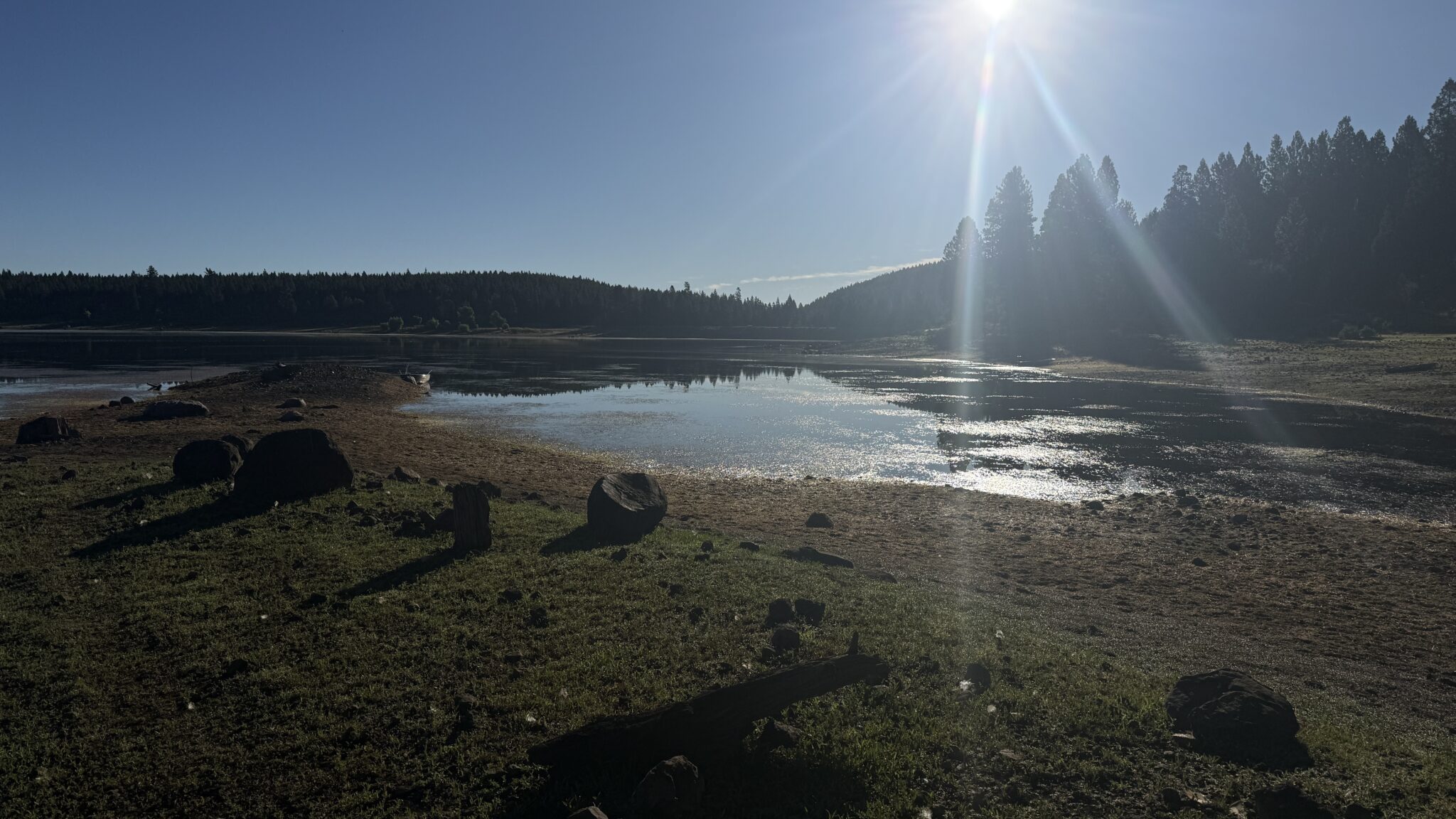
We reached Lake Margaret around 3:00 that afternoon. The lake had dropped nearly ten feet since our last visit, leaving many of my favorite spots high and dry. Fortunately, the creek inlet was still flowing, and fish were rising along the old creek channel. Only two other campers occupied the entire campground, both bait fishermen. I saw exactly one other boat over the next two days, and they spent their time fishing deep water. Meanwhile, I simply watched the ospreys. They’re better fish finders than any sonar money can buy. Every time an osprey focused on one area, I paddled over—and sure enough, there were schools of trout cruising in three to five feet of water along the old creek bed. Once I found them, it became another one of those magical Lake Margaret trips where you almost lose count. Using the same flies that worked a month earlier, I caught well over a hundred trout over an afternoon, a morning, and one full day of fishing. Many stretched from eighteen to twenty-two inches. Not exactly a bad day at the office.
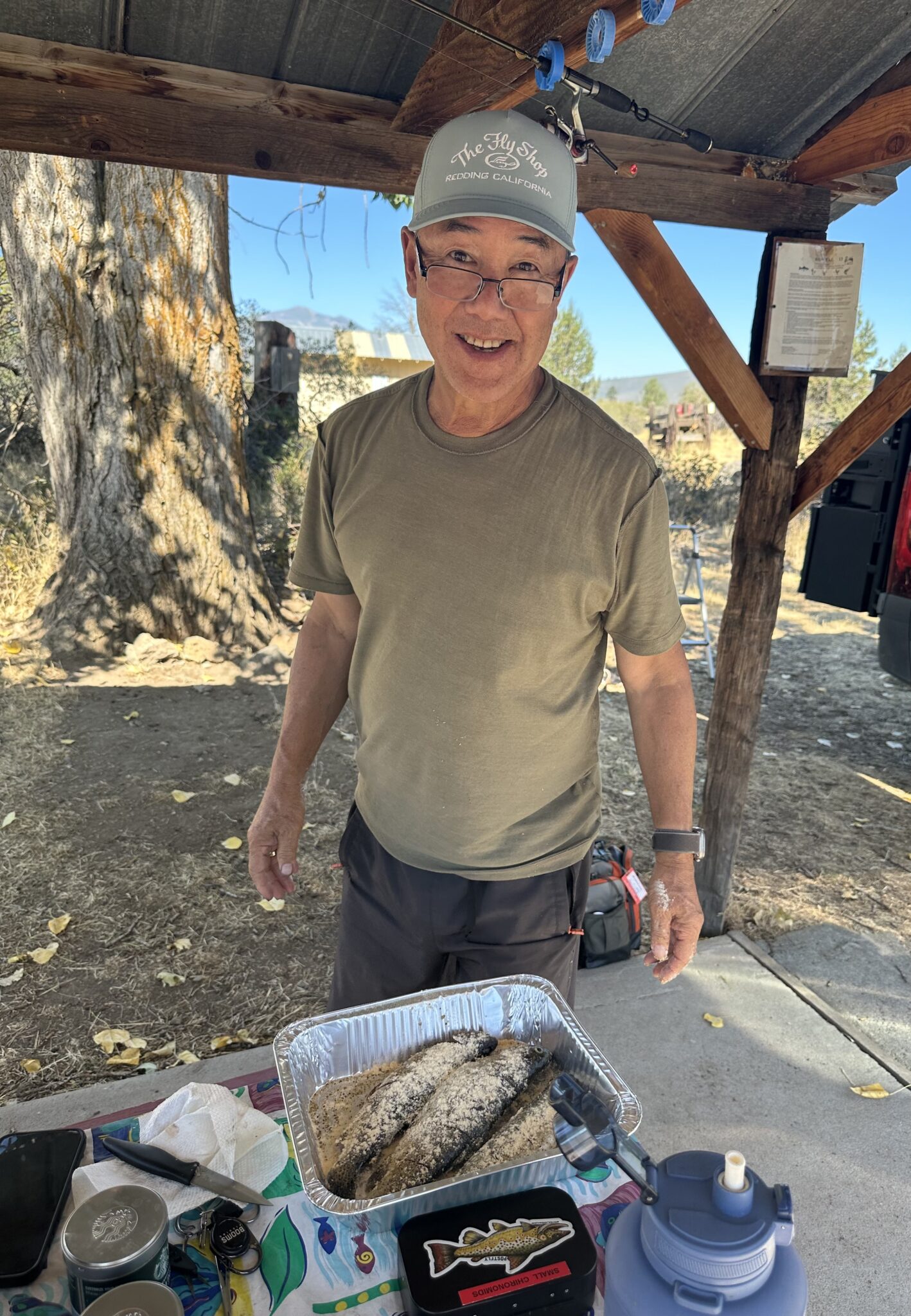
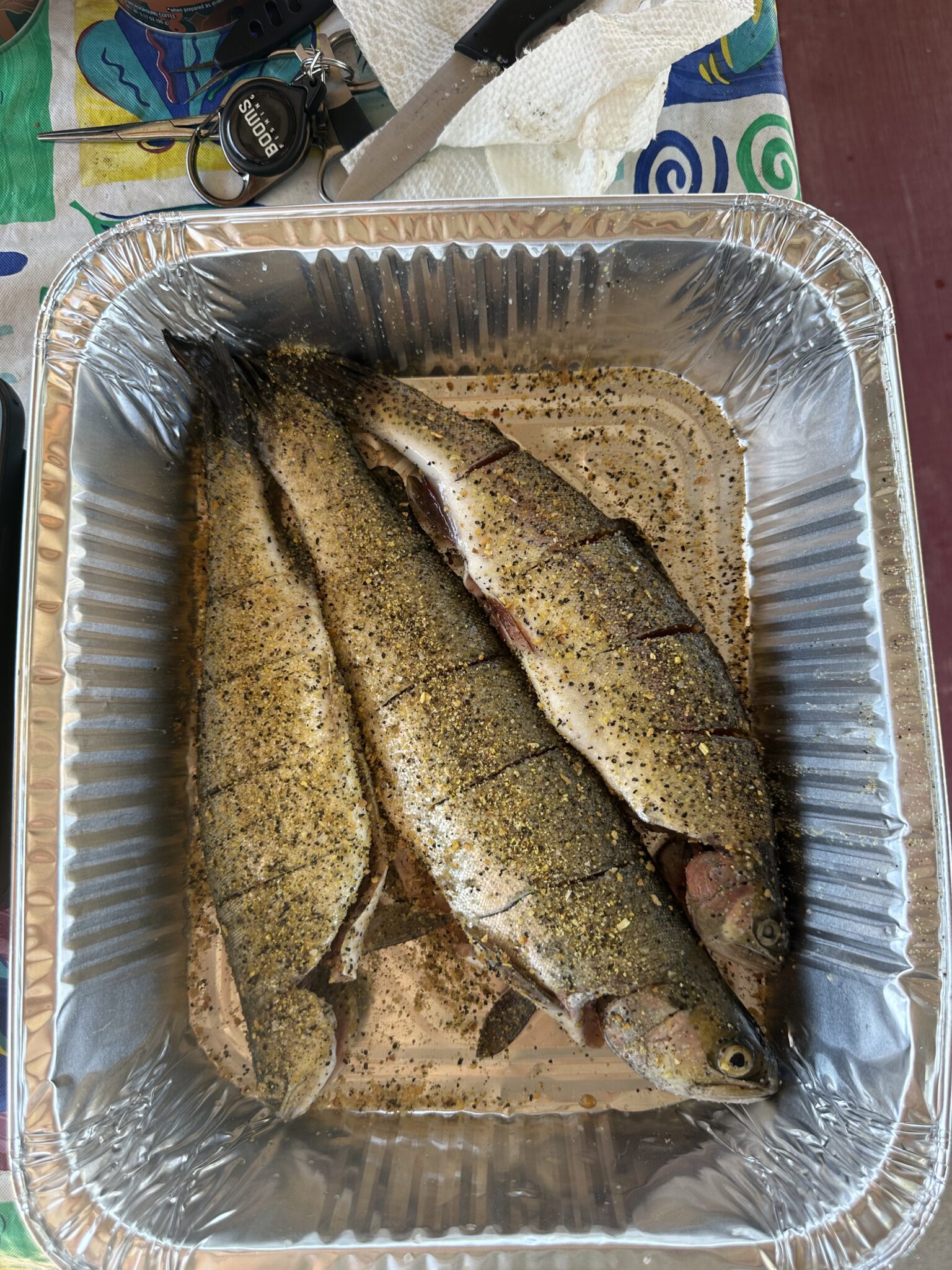
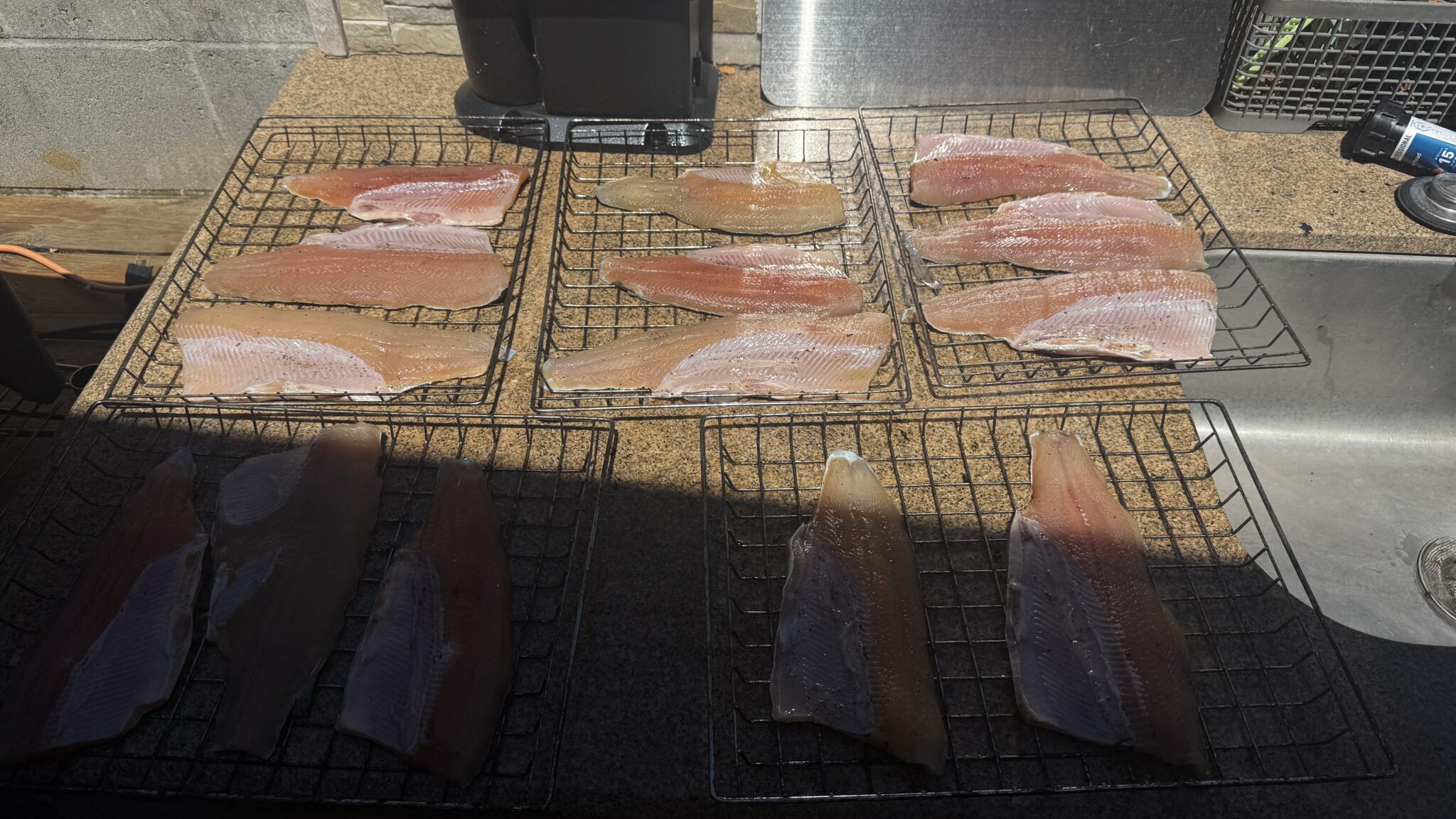
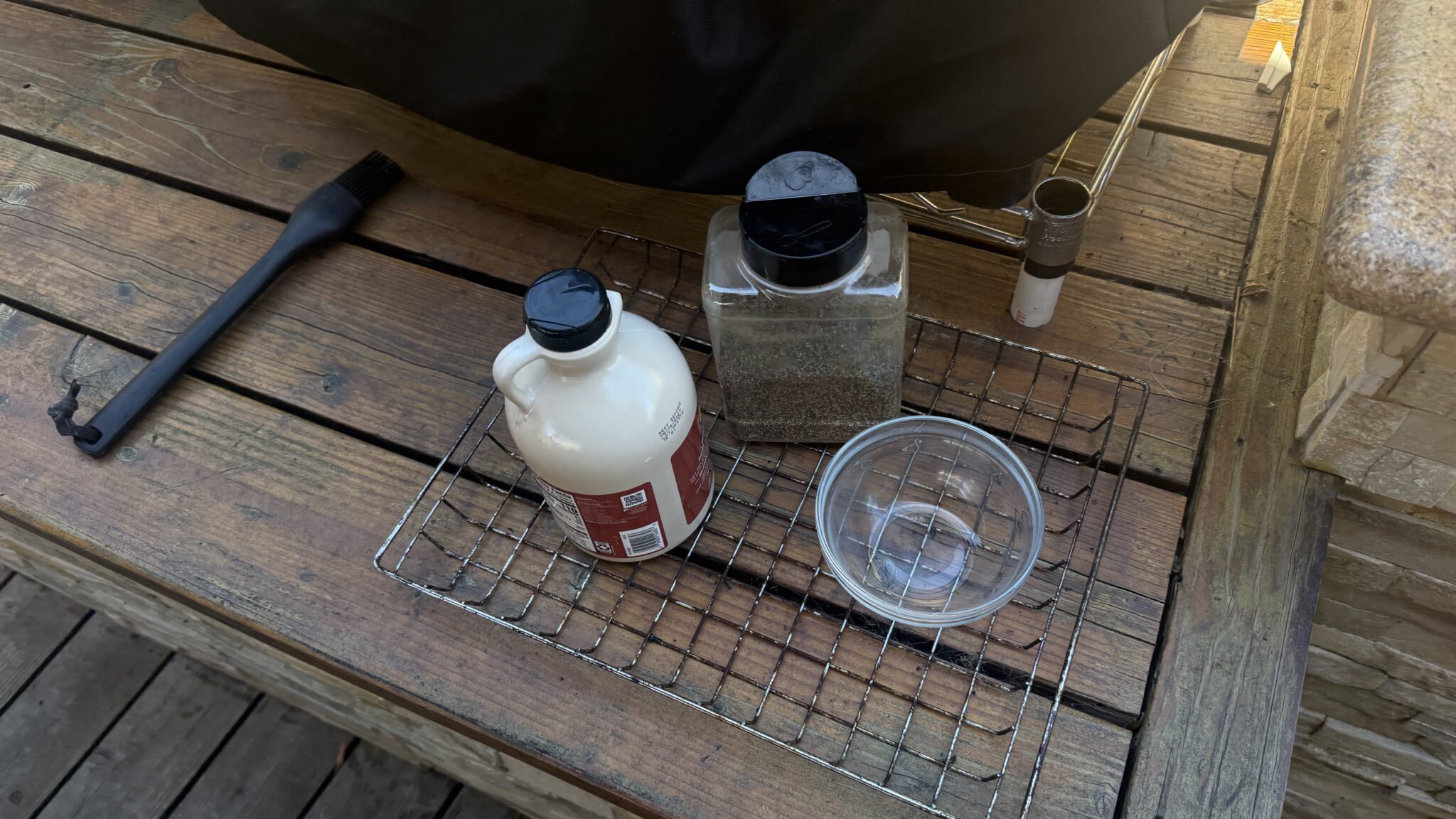
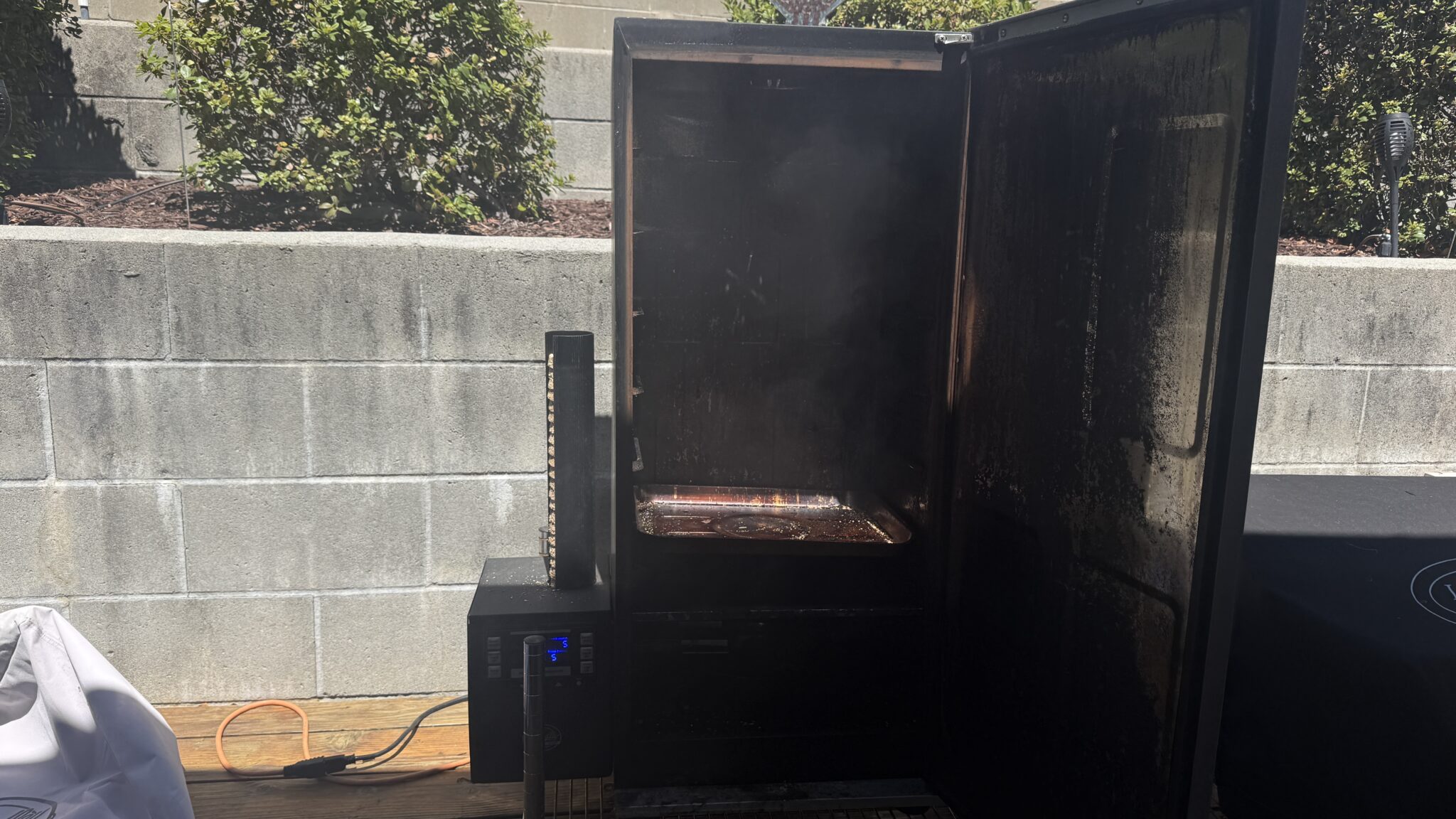
The only problem with catching big trout is they’re not exactly frying-pan sized. This trip I tried filleting the larger fish instead of cooking them whole. Game changer. The fillets cooked beautifully, and I brought the extras home to smoke. They turned into perfect grab-and-go lunches for future fishing trips. Sometimes the best discoveries have nothing to do with catching more fish.
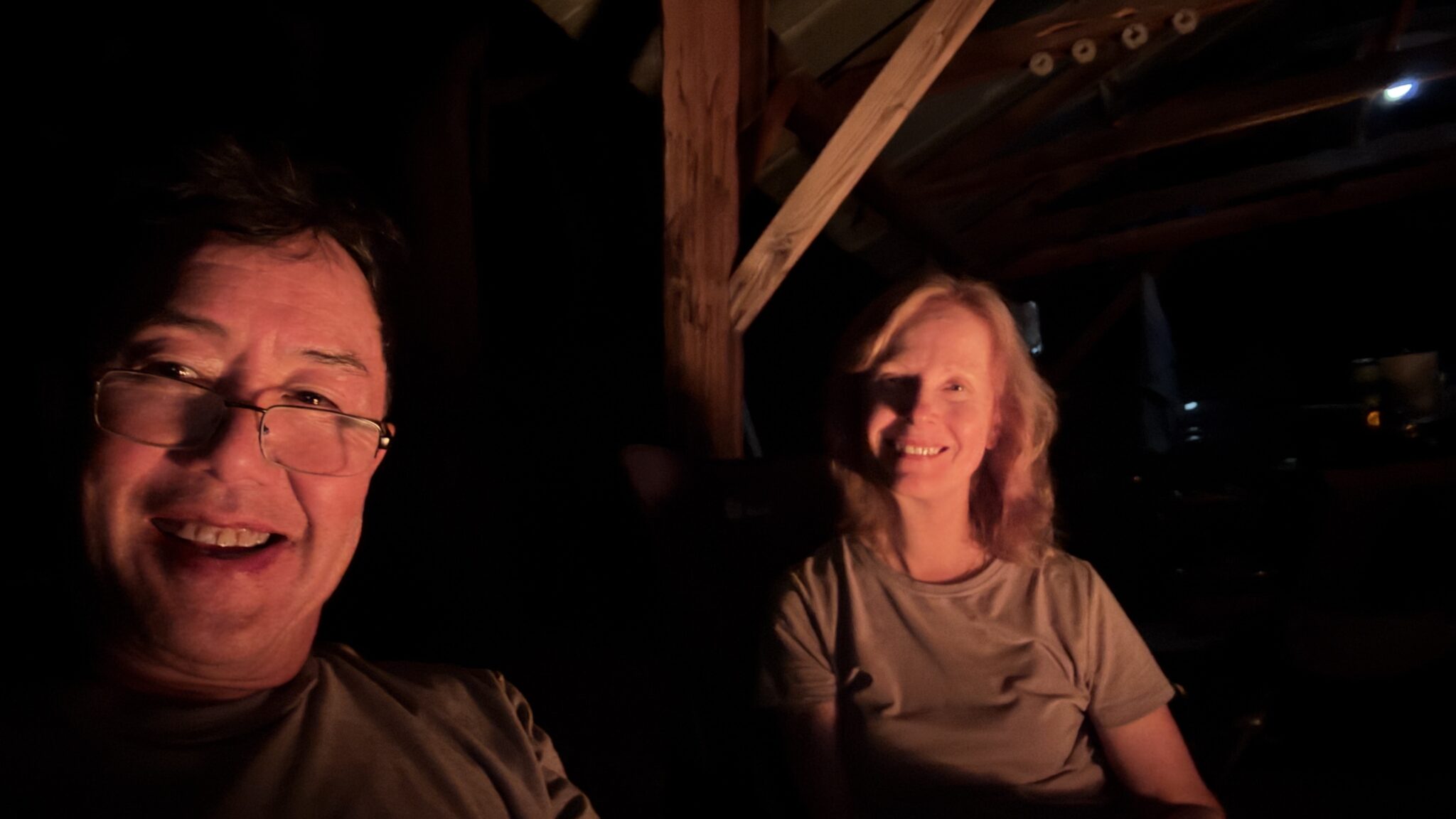
The next morning we made one final stop at the Black Bear Diner before pointing the van toward home. As always, it was another great trip. Then again, every trip with Gina is. Next week we’ll celebrate our 43rd wedding anniversary. Like a good bottle of wine, life just seems to get better with age. Fortunately, so does our camping system.



Very nice report, Meng!
You always seem to figure it out, after some head-scratching.
Time to think about tarpon!